
The demand for distinctive fragrance products has created opportunities for brands, distributors, retailers and entrepreneurs interested in launching their own perfume range. Silicone perfume products can be explored as a specialised product concept, but businesses should first understand the exact product format, intended application, formulation and packaging requirements. Choosing the right manufacturing partner is an important step in turning an idea into a market-ready product.
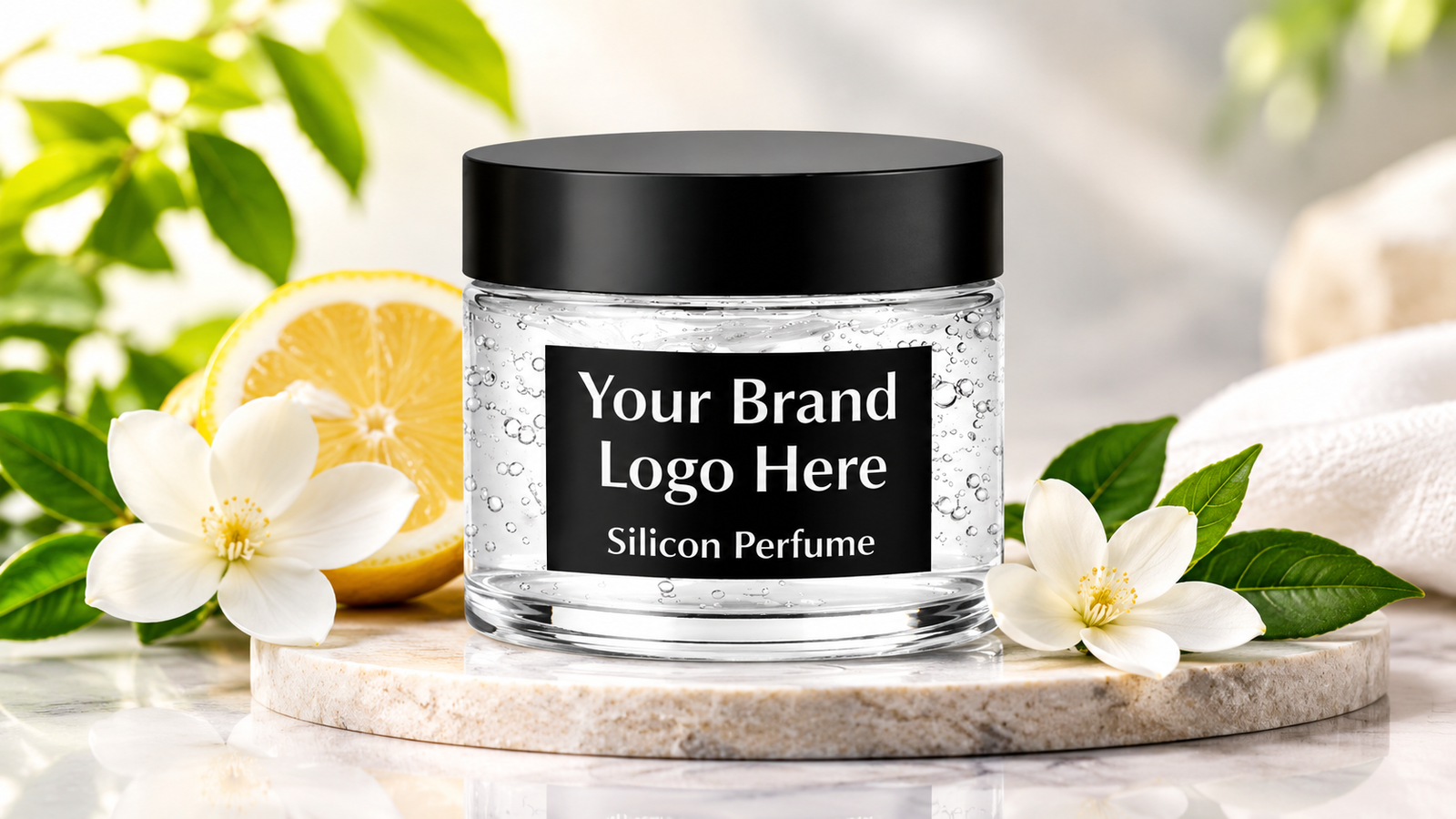
Perfume product presentation for brand development, packaging planning and B2B manufacturing discussions.
Working with a perfume manufacturer in India can help a business explore production options without investing immediately in its own manufacturing setup. Depending on the supplier's capabilities, the arrangement may involve an existing product, private label packaging, a white label product or a more customised manufacturing project. Before making a decision, buyers should assess product suitability, quality procedures, minimum order quantity, pricing, documentation and communication.
This guide explains how to evaluate private label perfume manufacturers, compare third party perfume manufacturers, understand bulk production and prepare for a manufacturing enquiry. It also covers the questions businesses should ask before selecting a perfume manufacturing company in India.
Quick answer: Choose a perfume manufacturer after confirming the exact product type, available formulation, packaging options, minimum order quantity, quality documentation, pricing and production timeline. Request clear written details before approving bulk manufacturing.
1. Understanding Silicone Perfume Products
The term silicone perfume may be used by buyers to describe a particular perfume product format or packaging concept. However, it should not be treated as a complete technical description of a fragrance product. Before contacting a supplier, clarify exactly what you mean by silicone perfume, including the product's physical format, intended application, container type and fragrance requirements.
For example, a buyer may be referring to a solid or gel-like fragrance product, a silicone-based component, or a particular type of perfume container. These are different possibilities and may require different manufacturing capabilities. A clear product brief helps the manufacturer determine whether the requested product is within its scope.
Define the product format clearly
Prepare a short description of the product you want to sell. Include the expected texture or format, how the customer will use it, the preferred size, the packaging style and the intended sales market. If you have a reference product, share its product specifications or photographs for discussion. A photograph alone may not communicate the full formulation or technical requirements.
Identify your fragrance preferences
Fragrance selection is an important part of perfume development. Buyers may have preferences for fresh, citrus, floral, woody, musky or other fragrance profiles. Explain the desired scent direction and intended customer group, then ask which options the supplier can support. Do not assume that a particular fragrance, ingredient or performance characteristic is available without confirmation.
Understand the intended use
Clarify whether the product is intended for personal fragrance use, a specific accessory or another application. Product safety, labelling and testing requirements can vary according to the product's intended use and market. The manufacturer should review the brief before confirming whether the requested product can be supplied.
For businesses exploring a silicone perfume product, the dedicated UNICO Silicone Perfume Manufacturer page is a relevant starting point for a product-specific enquiry. Contact the company to confirm the available options, technical scope and commercial terms.
2. Why Consider a Perfume Manufacturer in India?
India offers businesses a range of manufacturing and supply options across the personal care and fragrance sectors. For a buyer, the practical benefit of working with a domestic supplier may include easier communication, more direct coordination and the opportunity to discuss product and packaging requirements with the manufacturing team.
However, location alone does not determine whether a supplier is suitable. The right choice depends on the product category, manufacturing capability, quality systems, commercial terms and the buyer's business needs. Every supplier should be evaluated against the same project requirements.
Potential benefits for B2B buyers
- Direct coordination: Discuss product requirements, samples, packaging and production with the supplier.
- Product planning: Explore available options and determine whether the supplier can meet your brief.
- Brand development: Discuss private label or white label arrangements where available.
- Bulk order planning: Request pricing based on a defined quantity and specification.
- Commercial clarity: Confirm lead times, payment terms, documentation and delivery responsibilities.
Compare manufacturers using the same criteria
When comparing suppliers, avoid relying only on website presentation or the lowest quoted price. Ask each company for details about the same product specification, quantity and packaging format. This makes quotations easier to compare and can reveal differences in included services or additional costs.
Businesses researching a perfume manufacturing company in India should also review the supplier's experience with the relevant product category. A company may manufacture some types of personal care products but may not offer every perfume format. Confirm capability directly before proceeding.
3. Private Label, White Label and Third-Party Perfume Manufacturing
Manufacturing terminology can vary between suppliers, so ask what each service includes instead of relying only on the name of the arrangement. Private label, white label and third-party manufacturing can help businesses access external production, but the scope of customisation, ownership and responsibility should be defined in the agreement.
Private label perfume manufacturers
Private label perfume manufacturers in India may offer products that businesses can sell under their own brand identity. Depending on the supplier, the service may include packaging selection, label application, product specification discussions and other agreed services. The level of customisation varies, so buyers should confirm whether the available product can meet their intended positioning.
Private label manufacturing can be suitable for established brands adding a new fragrance product, retailers developing an exclusive range or businesses looking to build a branded personal care portfolio. Before selecting a supplier, confirm which parts of the product can be customised and which elements are standard.
White label perfume manufacturer
A white label perfume manufacturer may supply an existing product for sale under another business's branding, subject to the agreed terms. This model can simplify product planning when the existing formulation and packaging options meet the buyer's needs. It may not provide the same level of formulation development as a fully customised project.
Ask whether the supplier offers standard packaging, branded labels, custom artwork or additional product options. Confirm the process for reviewing samples and approving the final design before production.
Third-party perfume manufacturers
Third party perfume manufacturers provide production services for another business under an agreed arrangement. Depending on the supplier and project, the buyer may supply a specification or select from available options. Responsibilities for materials, packaging, testing, labelling and dispatch should be stated clearly.
Third-party manufacturing can be useful when a business wants to focus on sales, distribution and brand building rather than operating its own production facility. Still, outsourcing production does not automatically remove every responsibility from the brand owner. Confirm the applicable obligations for your product and sales market.
Perfume contract manufacturers in India
Perfume contract manufacturers in India may work under a defined production agreement that sets out product specifications, quantities, timelines, responsibilities and commercial terms. A clear contract or purchase agreement can help reduce misunderstandings, particularly when orders involve custom packaging or repeated production batches.
| Manufacturing Model | What It May Involve | Important Question |
|---|---|---|
| Private label | An agreed product sold under your brand | Which product and branding elements can be customised? |
| White label | An existing product supplied for branded resale | What standard product and packaging options are available? |
| Third-party manufacturing | Production arranged for another business | Who handles materials, quality checks, labels and dispatch? |
| Contract manufacturing | Production under agreed written terms | What are the specifications, timelines and responsibilities? |
4. Benefits of Working with a Perfume Manufacturing Partner
Build a branded product range
Working with an external manufacturing partner may help a business launch a perfume product under its own identity without establishing a production facility. The brand can focus on positioning, customer research, marketing and distribution while the supplier handles the services included in the agreement.
Before selecting the product, decide what your brand should represent. Consider the target audience, intended price range, fragrance direction, packaging and sales channel. A clear brand brief can help guide product and packaging discussions.
Access manufacturing support
A suitable supplier can explain its production process, available product options and order requirements. The extent of technical support varies by manufacturer, so ask what is included. If you require product development or changes to an existing specification, confirm whether the supplier can support the request and whether additional charges apply.
Plan bulk production with better visibility
A written production plan helps businesses coordinate packaging artwork, purchase orders, stock planning and launch activities. Buyers should agree on the final specification and quantity before production starts. Changes made after approval can affect cost and delivery timelines.
Expand the product range gradually
Businesses can use sales feedback and customer enquiries to decide whether to add further fragrance options or packaging formats. New variants may require separate approvals, different materials or additional minimum quantities. Confirm the requirements for each variation rather than assuming all products follow the same process.
Focus on distribution and customer experience
For many brands, the work continues after manufacturing. Product photography, accurate online descriptions, reliable fulfilment, customer support and clear return policies all affect the customer experience. A good manufacturing relationship supports the product, but commercial success also depends on how the business positions and sells it.
Buyer tip: Before paying an advance, request a written quotation that specifies the product, quantity, packaging, included services, taxes, payment schedule, production timeline and delivery terms.
5. Plan Your Perfume Product Before Ordering
Product planning should begin before you request quotations from private label fragrance manufacturers or bulk suppliers. A clear brief helps the manufacturer understand what you want and helps you compare the available options accurately.
Identify your target customer
Define who is most likely to buy the product. Your target customer may be a retail consumer, a gift buyer, a distributor or another business. The intended audience influences packaging, product size, pricing, product descriptions and the channels you choose for selling.
Set the product positioning
Decide whether the product will be positioned as an everyday fragrance, a gift item, a premium-looking product or part of a wider personal care range. Make sure the final product, packaging and price are consistent with that position. Avoid promising performance characteristics that have not been verified.
Prepare a product specification
Share the required product format, approximate quantity, preferred packaging, fragrance direction, target market and any specific requirements. If you have a reference sample, explain which features you want to evaluate. The supplier may need further information before confirming feasibility and pricing.
Confirm samples and approval criteria
Where samples are available, evaluate them against the written brief. Consider the scent profile, product appearance, ease of use and packaging suitability, as relevant to the actual product. Record feedback and identify the exact version approved for production.
Check commercial suitability
A product should fit the business's budget and operational capacity. Include not only the manufacturing cost but also packaging, transport, storage, marketing, online selling fees and working capital. A lower unit price may not be the most economical option if it requires an order size your business cannot sell within a reasonable period.
6. Packaging, Branding and Product Presentation
Packaging plays an important role in product protection, usability and brand recognition. The best format depends on the product's physical characteristics, intended use, distribution channel and available supplier options.
Select a suitable container
Ask the manufacturer which containers or packaging formats are available for your specific product. Check dimensions, closure, material compatibility, label area and ease of use. Do not assume that packaging used for one type of perfume will automatically be suitable for another product format.
Make the label easy to understand
Use a clear product name and readable brand identity. Important product information should not be hidden by decorative graphics. Review the final artwork carefully, including spelling, ingredient information where applicable, net quantity, directions, warnings and required manufacturer or marketer details.
Review packaging quality
Where possible, assess a sample of the final packaging before approving a bulk run. Check whether the container closes properly, labels remain readable and the product can be stored and transported as intended. Ask the supplier whether any packaging compatibility checks are relevant to the selected product.
Plan for shipping and storage
If your product will be sold online or supplied to distributors, discuss protective outer packaging and transport requirements. Confirm storage conditions with the manufacturer and communicate them to the relevant team. Proper inventory handling can help protect product presentation during storage and delivery.
Approve artwork before printing
Confirm who is responsible for label design, artwork preparation and regulatory review. Review the final proof before it is printed in bulk. Keep a copy of the approved artwork and the associated product specification for future reference.
7. How to Choose the Right Perfume Manufacturer in India
Selecting a supplier is one of the most important decisions in a private label project. A manufacturer should be assessed on product capability, quality processes, communication, commercial clarity and the ability to meet the agreed requirements. Search results or marketing claims can help create a shortlist, but direct verification is essential.
1. Confirm product-specific experience
Ask whether the company manufactures the exact product type you require. If your project concerns silicone perfume, explain the intended format and ask the supplier to confirm whether it can support that specification. A general perfume or cosmetics service does not prove capability in every specialised format.
2. Review product and packaging options
Ask for available specifications, packaging choices and any customisation options. Confirm which parts of the product are standard and which can be changed. If your business needs a specific scent profile, texture, size or container, request a direct answer about feasibility before planning the order.
3. Check samples and approval procedures
Ask whether samples can be supplied and whether charges apply. Confirm how feedback is documented, how many revisions may be possible and what happens after approval. A clear sample approval process helps both sides understand the product that will be manufactured.
4. Compare quotations fairly
When reviewing best perfume manufacturers in India, compare suppliers against the same specification. A quotation should explain the quantity, unit price, packaging, included services, taxes, extra charges and delivery terms. A quote with a lower headline price may exclude services that another supplier includes.
5. Ask about quality procedures
Request information about the quality checks and documentation relevant to your product. Ask how the manufacturer identifies batches and handles concerns with finished goods. If a supplier claims certification, check the actual certificate, its scope, issuing organisation and validity. You can review the UNICO certificates page and confirm directly which documentation applies to the relevant facility and service.
6. Evaluate communication
Clear communication matters during product selection, sampling, artwork approval and production. Ask who will manage your enquiry and how updates will be provided. A supplier should be able to explain the steps, identify information still required and clarify the limits of its service.
7. Confirm delivery commitments
Production timelines can depend on product availability, packaging materials, artwork approval and production scheduling. Ask for an estimated timeline based on your actual requirements. Confirm whether the timeline starts after advance payment, sample approval, artwork approval or another milestone.
8. Check the agreement and responsibilities
Confirm who is responsible for product specifications, packaging materials, label content, quality documents, transport and any market-specific requirements. Record the agreed details in writing. Do not assume that verbal discussions cover every commercial or compliance responsibility.
Manufacturer selection checklist
- Confirmed capability for the specific product format.
- Clear product specification and available options.
- Sample process and written approval criteria.
- Transparent MOQ, pricing and payment terms.
- Relevant quality documentation and batch information.
- Suitable packaging and artwork approval procedure.
- Realistic production and dispatch estimates.
- Written responsibilities and responsive communication.
8. Quality Checks, Documentation and Compliance
Quality planning should be considered before a manufacturing order is placed. The appropriate checks depend on the product type, formulation, intended use and market where it will be sold. Ask the manufacturer which controls and documents apply to your particular project.
Product specifications
The specification should describe the agreed product and its key characteristics. Depending on the product, this may include appearance, fragrance profile, physical format, ingredients and packaging details. The approved specification should be clear enough for both the buyer and supplier to identify the intended finished product.
Batch and traceability information
Ask how production batches are identified and what records are maintained. The available documentation will depend on the manufacturer and product category. Confirm what records can be supplied to your business and what information should be retained for future enquiries or quality concerns.
Packaging compatibility
The packaging should be appropriate for the product and its intended storage and use. Ask whether the supplier performs relevant checks for the selected container and closure. If you are supplying your own packaging, clarify who is responsible for confirming its suitability.
Labelling and product claims
Product descriptions should match the actual formulation and intended use. Avoid unsupported claims about ingredients, longevity, safety, natural origin or other performance characteristics. Confirm the labelling requirements applicable to your product and destination market before artwork is finalised.
Review certifications accurately
Certifications can be relevant when evaluating a supplier, but the exact scope matters. Check the facility, activity, issuing body and validity stated in the document. Do not assume that a certificate automatically covers every product, service or manufacturing process offered by a company.
For company background, visit the UNICO Pharmaceuticals About Us page. For documentation-related information, use the certificates page and verify the details relevant to your proposed product directly with the company.
9. MOQ, Pricing and Bulk Perfume Manufacturing
The price of a perfume manufacturing project depends on the product specification, quantity, packaging, customisation, materials, applicable quality checks and logistics. There is no single price or minimum order quantity that applies to every supplier or product. A project-specific quotation is the most reliable way to understand the total cost.
| Cost Factor | What to Confirm |
|---|---|
| Product specification | Product format, formulation and agreed characteristics |
| Order quantity | Minimum order, batch quantity and price breaks, if available |
| Packaging | Container, label, printing and outer packaging costs |
| Customisation | Development, revisions and additional work charges |
| Quality documentation | Applicable checks and any project-specific requirements |
| Taxes and logistics | Applicable taxes, freight, dispatch and delivery costs |
| Payment terms | Advance, balance payment and agreed milestones |
What is MOQ?
MOQ means minimum order quantity. The applicable MOQ can vary according to the product, packaging, materials and production arrangement. A standard product may have different requirements from a highly customised project. Ask whether the MOQ applies to the total order or separately to each fragrance, size or packaging variation.
How to plan a bulk order
Estimate the demand you can reasonably generate through your intended sales channels. Consider your current customer base, distributor commitments, marketing budget and storage capacity. Ordering more stock may reduce the unit price in some cases, but it also increases the amount of working capital tied up in inventory.
Request a detailed quotation
A useful quotation should include the product specification, quantity, unit price, packaging details, included services, extra charges, taxes, payment schedule, estimated lead time and delivery terms. Ask the supplier to clarify any item that is not included. Compare quotations only after confirming that each one covers the same requirements.
Understand the cost of customisation
Changes to formulation, fragrance, packaging or artwork may affect the cost and schedule. Ask whether the supplier charges separately for sampling, revisions, printing plates, packaging setup or other work. Record the final approved version so that the manufacturing order is not based on an outdated brief.
10. Perfume Manufacturers for Startups
New businesses often need to balance product quality, launch speed, branding and budget. Perfume manufacturers for startups may be worth considering when the business wants to launch a product without setting up its own manufacturing facility. The key is to find a supplier whose available services and order requirements fit the startup's stage.
Start with a focused product range
Launching a small, well-defined range can make it easier to manage product information, packaging, inventory and marketing. Before adding several variations, understand the likely demand and the minimum quantity required for each one. A focused launch can also help the business collect customer feedback before expanding.
Ask about standard options first
If your budget is limited, ask whether an available product and standard packaging option can meet your requirements. A custom development project may involve additional time, sampling and costs. Compare both approaches before making a decision.
Build a realistic launch budget
Include manufacturing, packaging, transport, photography, website development, marketing, fulfilment and customer service in your calculations. Keep enough working capital to handle routine business expenses after the initial order. Do not base the launch plan only on the manufacturer's unit price.
Choose a supplier that communicates clearly
Startups may need guidance about the ordering process and required documents. A suitable supplier should explain its process, clarify what is included and provide realistic expectations. Confirm important details in writing and avoid committing to production until the product specification and commercial terms are understood.
11. Perfume Suppliers, Bulk Buyers and Export Planning
Businesses looking for perfume suppliers in India or a bulk perfume manufacturer in India should begin with a clear supply requirement. State the product type, target quantity, packaging, destination market and expected delivery schedule. This helps a supplier determine whether the request is suitable for its capabilities.
For distributors and wholesalers
Wholesale buyers should ask about order quantities, packaging formats, repeat-order availability, lead times and payment terms. Confirm whether prices change at different quantities and whether mixed product variants can be included in one order. Written terms help avoid confusion when ordering repeatedly.
For export-oriented businesses
Export requirements can differ by destination, product classification and intended use. Before confirming an export order, verify the applicable product, labelling, shipping and documentation requirements for the target market. Do not assume that a product accepted in one country automatically meets the requirements of another.
Ask about shipping and documentation early
Discuss the destination, shipping method, packaging requirements and documents that may be needed. Confirm who will prepare each document and who will be responsible for transport arrangements, customs processes and associated charges. These responsibilities should be settled before the order is finalised.
Plan repeat supply
If you expect ongoing orders, ask how repeat production is scheduled and whether the same product specification and packaging can be maintained. Clarify how changes to materials or product details will be communicated. Keep records of approved specifications and purchase orders for future reference.
12. Marketing Your Private Label Perfume
Manufacturing is only one part of building a perfume business. A product also needs clear positioning, useful product information and a practical route to market. Your marketing plan should reflect the actual product rather than relying on broad or unverified claims.
Create a clear product page
Include the product name, intended use, available size, packaging details, relevant ingredients or product information and appropriate directions. Use clear product images and ensure that the written description matches the finished item. For B2B buyers, explain how to enquire about quantity, packaging and manufacturing terms.
Use SEO naturally
Relevant commercial phrases can help organise a manufacturing page around the questions buyers ask. Terms such as perfume manufacturer in India, private label perfume manufacturers in India, third party perfume manufacturers and bulk perfume manufacturer in India should be used only where they fit the content. Avoid repetitive keyword stuffing, which can make the page difficult to read.
Make enquiries easy
Business visitors should be able to find a clear contact option and understand what information to share. A useful enquiry form may request the product type, approximate order quantity, packaging preference and business requirements. Collect only the information needed to respond effectively.
Track meaningful results
Measure enquiries, qualified leads, follow-up outcomes and orders rather than relying only on page views. Review the questions prospective buyers ask and use them to improve the page. If many visitors enquire about an unsupported product format, clarify the available scope so that expectations are accurate.
13. Explore Silicone Perfume Manufacturing with UNICO Pharmaceuticals
Businesses researching silicone perfume manufacturing can start with the dedicated Silicone Perfume Manufacturer page on the UNICO Pharmaceuticals website. Use the page as a starting point for a product-specific enquiry and confirm directly which product options, manufacturing services and packaging arrangements are currently available.
To make the enquiry useful, prepare a brief covering the intended product format, fragrance preferences, packaging concept, target quantity, sales market and any specific requirements. If you have a reference product or packaging design, share it and explain which features matter most to your project.
Company information and related pages
You can learn more about the company through the UNICO Pharmaceuticals About Us page. Businesses exploring related cosmetic manufacturing categories can visit the cosmetics category and the skin and hair care products page.
For quality-related information, review the UNICO certificates page. Confirm which documents, facilities and services apply to your proposed project rather than assuming that all documents cover every product type.
Information to include in your enquiry
- The exact silicone perfume product format you require.
- Your preferred fragrance direction or product reference.
- Packaging style, size and branding requirements.
- Approximate initial order quantity and expected repeat demand.
- Your target customer and sales market.
- Any specific documentation or labelling requirements.
- Your expected timeline and delivery location.
Once you have prepared these details, contact UNICO through the contact page. Ask for confirmation of the available product options, minimum order quantity, quotation details and production timeline before making a commitment.
14. Final Checklist Before Choosing a Perfume Manufacturer
Before selecting a supplier, review the project from both a product and business perspective. The right manufacturer is not necessarily the one with the lowest price or the broadest claims. It is the supplier that can meet the agreed specification, explain its process and provide clear commercial terms for your requirements.
- Define the product format and intended use clearly.
- Confirm the manufacturer's capability for the requested product.
- Review available fragrance, formulation and packaging options.
- Ask about samples and written approval procedures.
- Compare MOQ and quotations on a like-for-like basis.
- Verify relevant quality documentation and certifications.
- Confirm label responsibilities and applicable requirements.
- Agree on payment terms, production timeline and delivery.
- Keep the final specification and approvals in writing.
- Plan inventory around realistic demand and available working capital.
With careful planning, businesses can make a more informed decision when comparing private label, white label and third-party manufacturing options. Begin with a clear product brief, ask direct questions and confirm all important details before approving production.
Planning Your Own Perfume Product?
Discuss your product format, packaging preferences, target quantity and manufacturing requirements with UNICO Pharmaceuticals. Confirm current product options, MOQ, pricing and timelines directly with the team.
Explore Silicone Perfume Manufacturing →Frequently Asked Questions About Perfume Manufacturing
These answers cover common questions from businesses researching private label, third-party and bulk perfume manufacturing.
1. What should I look for in a perfume manufacturer in India?
Check whether the supplier can manufacture your exact product type, offers suitable packaging options, explains its quality procedures and provides transparent MOQ, pricing and timelines. Review relevant documents and confirm all commercial terms in writing.
2. What are private label perfume manufacturers?
Private label perfume manufacturers may supply or manufacture products that a business sells under its own brand. The available formulation, packaging and customisation options vary by supplier, so confirm the scope of the service before ordering.
3. What is the difference between private label and white label perfume?
The terms can vary by supplier. Generally, white label may refer to an existing product sold under another brand, while private label can include an agreed branded product and may offer different levels of customisation. Ask the manufacturer to define exactly what is included.
4. What do third party perfume manufacturers do?
Third-party perfume manufacturers provide production services for another business under agreed terms. The arrangement may cover product selection, manufacturing, packaging or other services, depending on the supplier. Responsibilities should be confirmed before production begins.
5. What is a perfume contract manufacturer in India?
A contract manufacturer produces a product under a defined agreement that sets out the specification, quantity, responsibilities, commercial terms and timeline. The agreement should clarify quality, packaging, labelling and delivery arrangements.
6. Can startups work with perfume manufacturers?
Some manufacturers may support startup projects, depending on product availability, MOQ, budget and production capability. Startups should prepare a clear product brief, ask about standard options and plan the total launch budget before placing an order.
7. What is the minimum order quantity for private label perfume?
MOQ depends on the product, packaging, order size and degree of customisation. Ask the manufacturer for the MOQ for your exact product and confirm whether each fragrance or packaging variation has a separate minimum quantity.
8. How much does bulk perfume manufacturing cost in India?
Pricing depends on the product specification, materials, packaging, quantity, customisation, applicable quality checks and logistics. Request a written quotation that lists unit cost, additional charges, taxes, payment terms and delivery details.
9. Can I customise fragrance and packaging?
Customisation depends on the manufacturer's capabilities and available options. Explain your fragrance preferences and packaging requirements, then ask whether samples are available and whether changes affect MOQ, price or production time.
10. What does silicone perfume mean?
The term may refer to different product formats or concepts. Clearly describe the intended physical format, application, packaging and formulation requirements to the manufacturer. Confirm that the supplier can support the exact product before requesting a quotation.
11. How can I evaluate the best perfume manufacturers in India?
Compare product capability, sample procedures, quality documentation, packaging, communication, MOQ, pricing and delivery terms. Verify certification claims and compare quotations based on the same product specification instead of choosing only by price.
12. What should I include in a manufacturing enquiry?
Include the product type, intended use, fragrance preferences, packaging, approximate quantity, target market and required timeline. Mention any specific documentation or customisation needs and ask for the supplier's MOQ and quotation process.
13. What should I check before approving bulk production?
Confirm the final product specification, sample approval, packaging artwork, quantity, price, payment schedule, production timeline and delivery terms. Keep written records of all approvals and responsibilities.
14. Can perfume products be manufactured for export?
Export suitability depends on the product, supplier capabilities and destination-market requirements. Verify applicable product, labelling, shipping and documentation rules before confirming an export order.
15. Where can I enquire about silicone perfume manufacturing with UNICO?
Visit the UNICO Silicone Perfume Manufacturer page or use the contact page. Share your product requirements and ask the company to confirm available options, MOQ, pricing and timelines.
Explore Related UNICO Pharmaceuticals Pages
Visit these pages for company information and related product categories.
UNICO Pharmaceuticals Silicone Perfume Manufacturer Cosmetics Skin & Hair Care About UNICO Certificates Contact UsThis article provides general information for businesses exploring perfume product manufacturing. Product availability, formulation, packaging, MOQ, pricing, documentation and timelines vary by project and must be confirmed directly with the supplier. Product claims and labelling should meet the requirements applicable to the product and intended market.