
How to Start a Face Wash Brand in India: Complete Guide
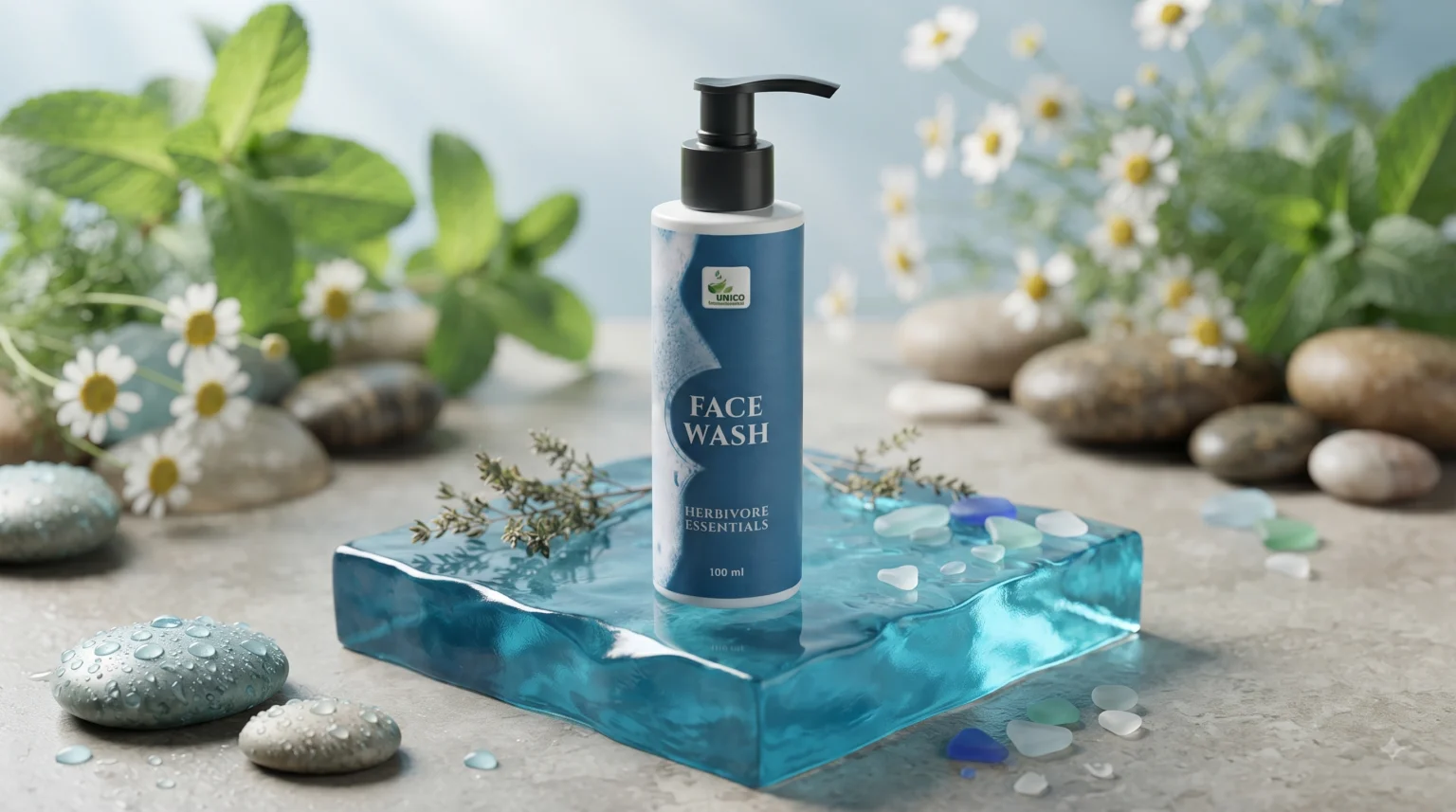
Starting a face wash brand in India can be an opportunity for entrepreneurs, retailers, distributors and businesses looking to enter the skincare market. However, building a successful brand requires more than choosing a product name and designing a label. You need to understand your target customers, select a suitable formulation, find a reliable manufacturer, plan packaging and prepare a practical sales strategy.
If you are researching how to start a face wash brand in India, one of the first decisions is whether to establish your own manufacturing facility or work with a cosmetic manufacturer. Private-label and third-party manufacturing may allow businesses to sell products under their own brand without setting up their own factory.
Your business plan should cover product positioning, minimum order quantity, packaging, applicable regulatory requirements, pricing, distribution and marketing. These decisions affect your initial investment and the way you introduce your product to the market.
This guide explains how to start a skincare brand in India, how to start a skincare line in India, how private label face wash manufacturing works, and what to consider before choosing a face wash manufacturer in India.
Quick takeaway: Begin with a clear customer group and one product concept. Research competitors, compare manufacturers, understand the complete costs, review samples and plan your sales channels before approving production.
Table of Contents
- 1. Understand the Face Wash Market
- 2. How to Start a Skincare Line in India
- 3. Choose Your Manufacturing Model
- 4. Plan Your Face Wash Product
- 5. Choose a Face Wash Manufacturer in India
- 6. Formulation and Quality
- 7. Regulatory and Label Requirements
- 8. Packaging and Branding
- 9. Startup Cost Planning
- 10. Pricing and Profit Margins
- 11. Marketing and Launch Strategy
- 12. Common Mistakes to Avoid
- 13. Launch Checklist
- 14. Private Label Manufacturing with Unico
- Frequently Asked Questions
1. Understand the Face Wash Market in India
Before investing in a new face wash, research the customers you want to serve. The market includes products for different skin types, preferences, price ranges and daily routines. A new brand needs a clear position so customers can understand who the product is designed for and why it may suit their needs.
Review competing products, pack sizes, prices, ingredient positioning, packaging and customer reviews. Look for recurring customer concerns, but validate your findings through research rather than assuming that every trend represents a profitable opportunity.
Define Your Customer
Identify the customer group your product is intended for and the needs it aims to address.
Research Competitors
Compare products, prices, packaging, customer reviews and sales channels.
Choose a Price Segment
Decide whether your brand will target an affordable, mid-range or premium market.
Build a Clear Position
Choose relevant product features that distinguish your offer without unsupported promises.
Choose a clear product concept
You might explore a daily cleanser, a gel-based face wash, a hydrating cleanser or another suitable product format. The final formulation should match its intended use, and product claims should be appropriate and supported by evidence for the finished product.
Research can also show how people describe their needs. The keyword how to start a skincare brand in India relates to business planning, while product-specific searches may help you understand customer language. Use keyword research alongside competitor analysis and customer feedback rather than relying on search volume alone.
2. How to Start a Skincare Line in India
If your goal is to build a skincare line instead of selling only one face wash, begin with a focused product range and expand gradually. A face wash can be your first product, while future additions should be based on customer feedback, sales performance, budget and manufacturing suitability.
Step 1: Identify your target market
Define your ideal customer, intended price range and sales channels. Review existing products and identify a clear reason customers might consider your brand.
Step 2: Develop a product brief
Write down the product format, preferred ingredients, pack size, target selling price and intended use. Share the same brief with shortlisted manufacturers so you can compare their responses fairly.
Step 3: Plan future products
Before adding creams, gels, scrubs or other skincare products, check whether your customers are likely to need them. Every additional product can require separate sampling, packaging, stock and marketing investment.
Step 4: Build consistent branding
Use a recognizable identity across the range, while ensuring each product has suitable specifications, label information and evidence for its own claims.
Step 5: Review performance before expanding
Track customer feedback, sales and costs. Use the results to decide whether to improve your first product, expand distribution or introduce another product.
3. Choose Your Manufacturing Model
When planning how to start a face wash brand in India, compare the available production models. The right choice depends on your budget, desired product control, capabilities and business objectives.
| Model | How It Works | What to Consider |
|---|---|---|
| Own Manufacturing | You establish and operate your own manufacturing facility. | Facility, equipment, staff, quality systems, approvals and ongoing expenses. |
| Private Label | You sell a product under your brand using a manufacturer's available product or agreed options. | Formulation options, customization, MOQ, packaging and documentation. |
| Third-Party Manufacturing | You outsource production to another manufacturer under agreed specifications. | Product requirements, quality checks, production terms, timelines and responsibilities. |
Is private-label manufacturing suitable for a new brand?
Private-label manufacturing may suit businesses that want to launch a face wash without establishing their own factory. It can reduce the need to manage manufacturing infrastructure directly, but it does not remove the need for product research, brand development, inventory planning, compliance checks and customer acquisition.
Ask suppliers whether they offer standard formulations, customization or both. Confirm the exact services, order quantity, packaging options, charges and responsibilities before making a decision.
4. Plan Your Face Wash Product
Prepare a product brief before approaching manufacturers. A clear brief helps suppliers understand your expectations and provide relevant quotations.
- Target customer: Define the group the product is intended for.
- Product format: Choose a suitable cleanser type based on your concept.
- Intended use: Clarify the product's purpose and intended skin-type positioning.
- Ingredient preferences: Discuss preferences, compatibility and formulation feasibility.
- Pack size: Consider a practical size for your market and target price.
- Target selling price: Estimate a realistic retail price and calculate allowable costs.
- Sales channel: Decide whether you plan to sell online, through retailers, via distributors or through multiple channels.
Start with a manageable product range
Launching many variants at once can increase sampling, packaging, inventory and marketing expenses. Consider starting with one well-defined concept and expanding after reviewing customer feedback and sales results.
Planning tip: Share the same product brief with every shortlisted manufacturer. This helps you compare product options, MOQ, quotations and timelines on a like-for-like basis.
5. Choose a Face Wash Manufacturer in India
Selecting a suitable face wash manufacturer in India is an important step in building your brand. Look for a supplier that can explain its capabilities, quality procedures, available documents, packaging options, costs and production timelines clearly.
Manufacturing Experience
Ask about experience with the relevant product category and similar manufacturing projects.
Quality and Documentation
Discuss quality procedures, applicable certifications and available product records.
MOQ and Pricing
Confirm minimum order quantities, payment terms and any additional charges.
Packaging and Timelines
Check available pack options, sample approval and production schedules.
Questions to ask before selecting a supplier
- Which face wash formulations and product formats are available?
- Can the formulation be customized, and what limitations apply?
- What is the MOQ for each product, pack size or variant?
- Can samples be reviewed before bulk production?
- Which quality checks and product documents are available?
- Who is responsible for label review and applicable regulatory requirements?
- What is included in the quotation and what costs are separate?
- What is the expected production timeline after approvals?
- How are product changes, defects or delivery issues handled?
Compare manufacturers on overall suitability rather than selecting only the lowest quotation. Confirm the final product specifications, packaging, order quantity, quality expectations, responsibilities and commercial terms in writing.
6. Formulation and Product Quality
The formulation should be suitable for the intended use and aligned with your brand positioning. Relevant considerations can include ingredients, texture, fragrance, stability, packaging compatibility and the customer experience you want to offer.
Discuss formulation requirements
Share your product brief and ask which options are feasible. Discuss ingredient availability, compatibility and what evidence would be needed for your proposed claims.
Evaluate samples before production
Where samples are available, review their appearance, texture, fragrance and suitability for your intended product. Ask the manufacturer which quality checks or tests are appropriate. Approve the final sample and written specifications before bulk production.
Keep product claims accurate
Avoid guaranteed or medical-style promises without appropriate support. Product descriptions, labels and advertisements should reflect the actual formulation and available evidence for the finished product.
7. Regulatory and Label Requirements
Before selling a face wash in India, determine which business, manufacturing, product and labelling requirements apply to your specific arrangement. Requirements can vary depending on the product, manufacturing setup and responsibilities of the parties involved.
- Business setup: Check the applicable business registration and tax requirements.
- Manufacturing arrangement: Confirm the manufacturer's relevant permissions and each party's responsibilities.
- Product label: Review required product information, quantity, batch details, dates and manufacturer or marketer details, as applicable.
- Claims and advertising: Ensure claims are accurate and appropriate for the product.
- Records: Maintain relevant quotations, specifications, approvals and manufacturing documents.
This is a starting point for discussion, not a complete legal checklist. Confirm current requirements with the relevant authorities or a qualified professional before launch. Outsourcing production does not automatically remove every responsibility from your brand.
8. Packaging and Branding
Packaging protects the product, supports practical use and helps customers recognize your brand. Choose a format that fits the formulation, target price, distribution method and product positioning.
- Pack format: Compare suitable tubes, bottles or other available formats.
- Ease of use: Consider dispensing, carrying and storage.
- Compatibility: Confirm the packaging is appropriate for the formulation.
- Label readability: Keep the brand name and required information clear.
- Cost and availability: Check packaging costs, order quantities and lead times.
- Brand consistency: Use a consistent visual identity across your range.
Prepare your brand assets
Prepare your logo, label artwork, product photography, website content and sales materials. Ensure final artwork matches the approved specifications and applicable label requirements before production.
9. Estimate Your Face Wash Brand Startup Costs
Startup costs depend on the manufacturing model, formulation, order quantity, packaging and launch plan. There is no single budget that applies to every brand. Build an itemised estimate using current quotations from manufacturers and suppliers.
| Cost Category | What to Include |
|---|---|
| Product Development | Samples, revisions and applicable development charges. |
| Manufacturing | Order quantity, unit cost and production charges. |
| Packaging | Containers, caps, labels, cartons and printing. |
| Compliance and Testing | Applicable documentation, label review, testing and professional advice. |
| Branding and Website | Logo, photography, website setup and product content. |
| Marketing and Distribution | Advertising, shipping, marketplace fees and channel margins. |
| Working Capital | Stock replenishment, operating expenses and unexpected costs. |
Prepare a practical budget
- Prepare your product brief and request quotations.
- Separate one-time expenses from recurring costs.
- Calculate the total cost of the initial order.
- Estimate marketing, distribution and operating expenses.
- Keep a contingency reserve for unexpected costs.
- Review working capital before approving production.
Private-label manufacturing may reduce the need to invest in your own manufacturing facility, but you still need funds for inventory, branding, distribution and customer acquisition.
10. Calculate Product Pricing and Profit Margins
Your selling price must account for more than the manufacturer's quoted unit cost. Consider packaging, freight, fulfilment, marketplace or payment fees, marketing, channel margins, applicable taxes and operating expenses.
Calculate the full cost per unit
List every cost that applies to each unit, then compare the total with your intended selling price. Keep one-time launch costs separate so you can evaluate per-unit economics and the total investment.
Simple pricing principle: Calculate your full cost first. Compare your proposed price with competitors, customer expectations and the margins required by your sales channels. The difference between selling price and manufacturing cost is not necessarily net profit.
Review each sales channel
Your website, retail, distributor and marketplace sales may have different costs. Estimate margins separately and account for discounts, returns, delivery and promotional expenses. Use realistic sales assumptions when planning your stock.
11. Create a Launch and Marketing Plan
A product launch needs a clear message, a route to customers and a way to measure results. Prepare your product information and sales channels before spending heavily on promotion.
Prepare product information
- Write an accurate product description based on the approved formulation.
- Prepare product images that show the packaging and label clearly.
- Explain the intended customer and relevant product features.
- Provide appropriate usage and storage information.
- Prepare answers to common product and ordering questions.
Choose your sales channels
Depending on your business, you may explore your own e-commerce website, online marketplaces, retailers, distributors or other suitable channels. Compare costs, margins, operational requirements and potential customer reach before committing your budget.
Use digital marketing thoughtfully
Search engine optimization can help customers discover your website through relevant searches. Social media can communicate your brand and product presentation. Paid advertising may support visibility, but campaigns should be tested carefully and measured against meaningful outcomes such as qualified enquiries, orders and acquisition costs.
Build trust after launch
Keep information consistent across your website, packaging and advertisements. Monitor customer feedback, orders and enquiries to identify which products and channels perform well. Avoid increasing advertising spend before understanding traffic quality and the economics of your offer.
12. Common Mistakes to Avoid
Choosing Only by Price
Compare the complete quotation, product suitability, documents and commercial terms.
Ordering Too Much Stock
Match the initial quantity to your budget and realistic sales plan.
Skipping Sample Approval
Confirm the final sample and written specifications before production.
Using Unsupported Claims
Ensure product claims are accurate and supported for the finished product.
Ignoring Full Costs
Include packaging, marketing, distribution and operating expenses.
No Sales Plan
Identify your customers, sales channels and marketing approach before ordering.
13. Face Wash Brand Launch Checklist
- Define the target customer and product positioning.
- Research competing products, price ranges and customer needs.
- Prepare the product brief and initial budget.
- Compare suitable private-label and third-party manufacturers.
- Confirm MOQ, quotation, payment terms and timeline.
- Review samples and approve final specifications.
- Confirm packaging options and label artwork.
- Clarify compliance responsibilities and required documents.
- Calculate the full cost per unit and review channel margins.
- Prepare product photography, website content and sales materials.
- Plan stock quantities, distribution and marketing activities.
- Monitor orders, enquiries, customer feedback and expenses.
14. Private Label Face Wash Manufacturing with Unico Pharmaceuticals
If you are exploring private label face wash options, discuss your product brief with a manufacturer that can explain its available services, specifications, packaging options and commercial terms. Confirm the exact scope of service and responsibilities before proceeding.
Unico Pharmaceuticals is based in Ludhiana, Punjab, and has more than 35 years of manufacturing experience. Its facility is GMP-certified. Businesses can contact the team to discuss their cosmetic product requirements and determine whether the available services suit their plans.
Before requesting a quotation, prepare details about your intended product, target customer, preferred pack size, expected order quantity and target price. This can make the initial discussion more specific.
Planning to Start Your Own Face Wash Brand?
Discuss your product concept, packaging preferences and manufacturing requirements with Unico Pharmaceuticals before finalising your launch plan.
Contact Unico PharmaceuticalsFrequently Asked Questions
1. How to start a face wash brand in India?
Research your target customers and competing products. Choose a product concept, prepare a budget, compare manufacturers, review samples, confirm packaging and applicable compliance requirements, and plan pricing and sales before launching.
2. How to start a skincare brand in India with a manufacturer?
Prepare a product brief and contact suitable cosmetic manufacturers. Discuss formulation options, samples, MOQ, packaging, documentation, costs and timelines. Confirm each party's responsibilities and approve final specifications before production.
3. How to start a skincare line in India?
Define your target customer, research competing products and choose a focused first product. Prepare a product brief and budget, compare manufacturers, review samples and plan packaging, compliance, pricing and marketing.
4. What is private label face wash?
Private-label face wash is a product manufactured for sale under a business's own brand. Depending on the supplier, you may choose an available formulation or discuss customization and packaging options.
5. What is the difference between private-label and third-party manufacturing?
Private label generally focuses on selling a product under your own brand, while third-party manufacturing describes outsourcing production. The terms can overlap, so confirm the exact service and responsibilities with the supplier.
6. How much does it cost to start a face wash brand in India?
The cost depends on formulation, MOQ, packaging, sampling, branding, testing, compliance, distribution and marketing. Request current quotations and prepare a separate launch budget.
7. What is the minimum order quantity for private-label face wash?
MOQ varies by manufacturer, formulation, packaging format and order requirements. Confirm whether the quantity applies to each product, pack size or variant before committing.
8. Can I start a face wash brand without my own factory?
You may be able to use private-label or third-party manufacturing instead of setting up your own factory. You still need to understand the business, product, labelling and compliance responsibilities that apply to your arrangement.
9. How do I choose a face wash manufacturer in India?
Compare relevant experience, quality systems, documentation, formulation capabilities, packaging options, MOQ, pricing, timelines and communication. Verify that the supplier can meet your product requirements.
10. Can I customize my face wash formulation?
Customization depends on the manufacturer's capabilities, formulation feasibility, ingredient availability, order quantity and commercial terms. Discuss possible changes, samples and required testing with the manufacturer.
11. How long does it take to launch a face wash brand?
The timeline varies with formulation development, sampling, packaging procurement, label review, production scheduling and applicable requirements. Ask for a project-specific estimate after the product brief is reviewed.
12. What packaging is suitable for face wash?
Packaging depends on the formulation, dispensing needs, target price, customer preferences and product compatibility. Discuss available tubes, bottles or other formats with the manufacturer.
13. Do I need to check regulations before selling face wash?
Yes. Determine applicable product, manufacturing, labelling and business requirements before sale. Clarify which responsibilities belong to your business and which belong to the manufacturer.
14. How should I price my face wash product?
Calculate the full landed cost per unit, including applicable taxes, shipping, channel margins, marketing and fulfilment. Compare your proposed price with competitors and customer expectations.
15. How can I market a new face wash brand?
Build a clear brand identity, prepare accurate product content and choose suitable sales channels. Use SEO, social media, retail partnerships or paid advertising where appropriate, then monitor sales, feedback and acquisition costs.
16. Can a startup work with a private-label manufacturer?
A startup can explore private-label manufacturing if its product requirements, expected quantity and budget match the manufacturer's offering. Confirm MOQ, commercial terms, documentation and capabilities before proceeding.
17. What should I ask before placing my first manufacturing order?
Ask about the final formulation, sample approval, specifications, MOQ, itemised quotation, packaging, quality checks, documents, payment terms, production timeline, delivery and how changes will be handled.
18. Where can I find a face wash manufacturer in India?
Research cosmetic manufacturers, compare their capabilities and contact shortlisted suppliers with your product brief. You can explore Unico Pharmaceuticals' cosmetics page and contact the team to discuss your requirements.
19. What manufacturing experience does Unico Pharmaceuticals have?
Unico Pharmaceuticals has more than 35 years of manufacturing experience and a GMP-certified facility. Contact the team to discuss your cosmetic product requirements and confirm which services are available for your project.
Cosmetic Manufacturing | About Us | Certificates | Contact Us