
How to Choose the Best Face Mask for Your Skin Type
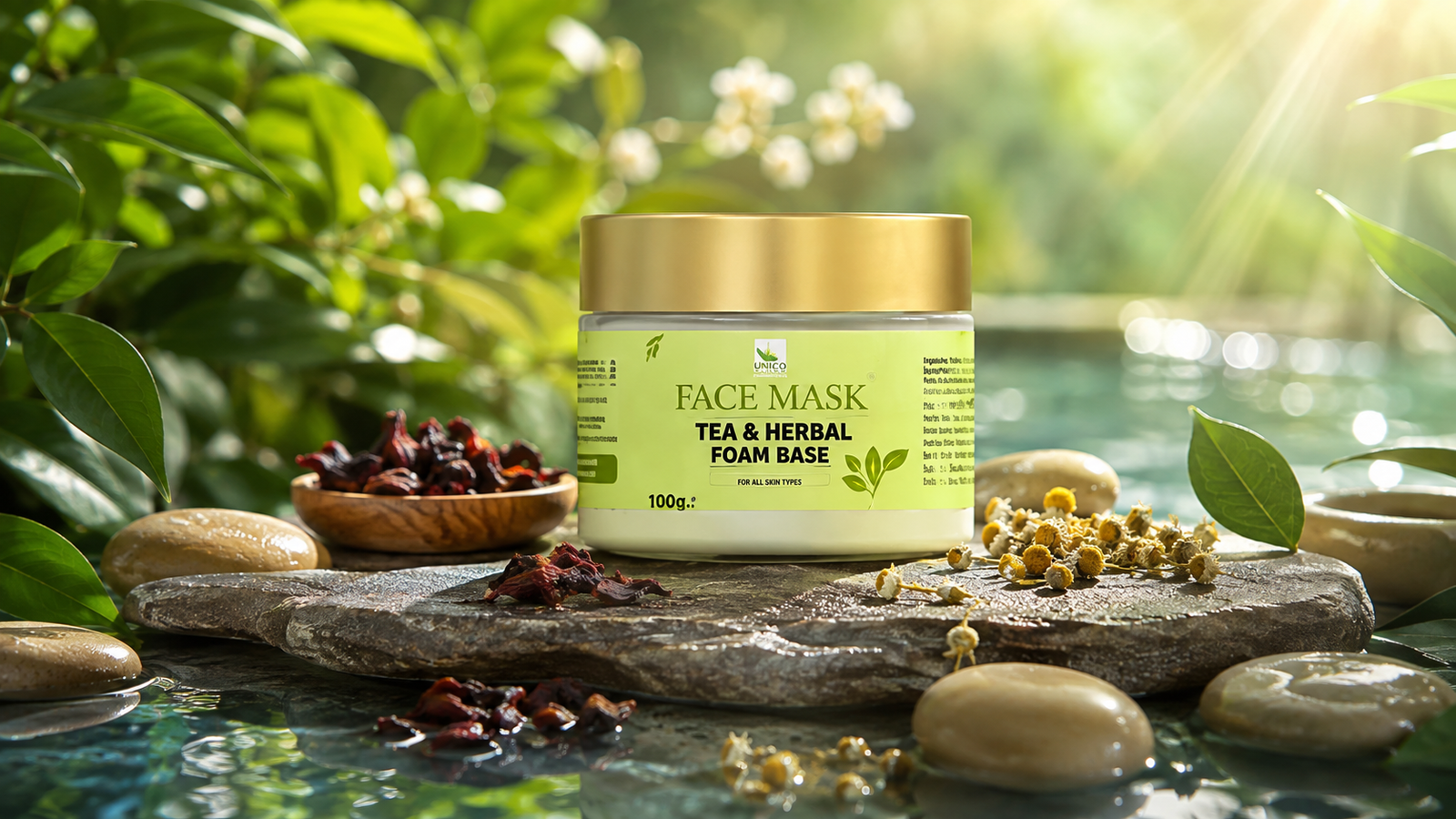
Choosing the right face mask can make a big difference in your skincare routine. With so many options available, it can be difficult to know which face mask is suitable for your skin. A product that works well for oily skin may not provide the same benefits for dry or sensitive skin.
The key is to understand your skin type and choose a face mask that complements its specific needs. Whether you have oily, dry, combination, sensitive, or normal skin, selecting the right formulation can help support a fresh, healthy-looking and radiant complexion.
In this guide, we will explain how to choose the best face mask for your skin type, what ingredients to look for, how frequently you can use a face mask, and important tips for making it part of your skincare routine.
Why Is Choosing the Right Face Mask Important?
Different skin types have different skincare requirements. Oily skin may benefit from ingredients that help absorb excess oil, while dry skin generally needs hydrating and nourishing ingredients.
Using a face mask formulated for your skin type can help you maintain a balanced skincare routine. The right product can complement cleansing and moisturizing while giving your skin an additional step of care.
Before choosing a face mask, consider:
- Your skin type
- Your primary skincare concern
- The ingredients used in the formulation
- How frequently you plan to use it
- Whether your skin is sensitive or easily irritated
How to Choose the Best Face Mask for Your Skin Type
1. Face Mask for Oily Skin
Oily skin tends to produce more sebum, which can leave the skin looking shiny and may contribute to clogged pores.
If you have oily skin, look for a face mask for oily skin with ingredients designed to help absorb excess oil and leave the skin feeling clean and refreshed.
Clay-based formulations are commonly used in skincare routines for oily skin because they can help absorb excess surface oil.
Tips for oily skin:
- Choose lightweight formulations.
- Look for oil-absorbing ingredients.
- Avoid excessively heavy or greasy formulations.
- Do not overuse purifying masks.
- Follow the mask with a suitable moisturizer.
2. Face Mask for Dry Skin
Dry skin can feel tight, rough, or uncomfortable, particularly after cleansing. It generally benefits from ingredients that support hydration and nourishment.
When selecting a face mask for dry skin, look for moisturizing and conditioning ingredients that help leave the skin feeling soft and comfortable.
Ingredients commonly used in hydrating skincare formulations include aloe vera, glycerin, botanical extracts, and nourishing butters.
Tips for dry skin:
- Choose hydrating formulations.
- Avoid excessively drying masks.
- Apply moisturizer after masking.
- Maintain regular hydration in your skincare routine.
- Avoid leaving a mask on for longer than recommended.
3. Face Mask for Sensitive Skin
Sensitive skin requires extra care when introducing new skincare products. Some ingredients or strongly fragranced formulations may not suit everyone.
If you have sensitive skin, choose a gentle face mask for sensitive skin and always check the ingredient list before use.
A patch test can be helpful before applying a new product over the entire face.
Tips for sensitive skin:
- Prefer gentle formulations.
- Check the ingredient list carefully.
- Avoid ingredients that you already know irritate your skin.
- Perform a patch test before regular use.
- Stop using the product if irritation occurs.
4. Face Mask for Combination Skin
Combination skin generally has both oily and dry areas. The T-zone may be more oily, while the cheeks can feel normal or dry.
For combination skin, selecting a balanced formulation is important. You can also consider targeted masking, where different products are used on different areas according to their needs.
For example, a purifying mask may be suitable for the oily T-zone, while a hydrating formulation can be used on areas that feel dry.
5. Face Mask for Normal Skin
Normal skin generally has a balanced oil and moisture level. People with normal skin can choose a face mask based on their specific skincare goals.
If your goal is a refreshed and radiant complexion, consider a face mask for glowing skin with nourishing and skin-conditioning ingredients.
A face mask can be incorporated into a regular skincare routine along with cleansing, moisturizing, and sun protection.
What Ingredients Should You Look for in a Face Mask?
The ingredients you choose should depend on your skin type and skincare goals.
For oily skin
Look for ingredients commonly used for oil-absorbing and purifying formulations, such as:
- Clay
- Kaolin
- Charcoal
- Botanical extracts
For dry skin
Look for moisturizing and conditioning ingredients such as:
- Aloe vera
- Glycerin
- Shea butter
- Botanical oils
- Hydrating plant extracts
For sensitive skin
Look for gentle, skin-conditioning ingredients and avoid ingredients that you personally know cause irritation.
Always check the complete ingredient list before purchasing a skincare product.
How Often Should You Use a Face Mask?
The ideal frequency depends on the type of mask and your skin’s individual needs.
Some face masks may be suitable for regular weekly use, while others may need to be used less frequently. Always follow the manufacturer’s recommended directions.
Using a mask more frequently than recommended does not necessarily provide better results. Overuse of certain formulations can leave the skin feeling dry or uncomfortable.
How to Use a Face Mask Correctly
Follow these simple steps to get the most from your skincare routine:
Step 1: Cleanse Your Face
Start with a gentle cleanser to remove dirt, excess oil, makeup, and impurities.
Step 2: Apply the Face Mask
Apply an even layer according to the product instructions. Avoid the immediate eye and lip areas unless the product specifically states otherwise.
Step 3: Follow the Recommended Time
Leave the mask on only for the time recommended on the packaging.
Step 4: Rinse or Remove
Remove the mask according to the product directions.
Step 5: Moisturize
Finish with a suitable moisturizer to help maintain your skin’s moisture balance.
Step 6: Use Sunscreen During the Day
If you are following a daytime skincare routine, apply a broad-spectrum sunscreen as the final step.
Face Mask for Glowing Skin: What Should You Consider?
If your goal is a fresh and radiant-looking complexion, choose a face mask for glowing skin that complements your skin type.
A good skincare routine should not depend on a single product. Cleansing, moisturizing, sun protection, adequate hydration, and consistent skincare habits are also important.
Look for formulations containing ingredients selected for their moisturizing, conditioning, and skin-refreshing properties.
Why Choose UNICO Pharmaceuticals for Face Mask Manufacturing?
For businesses looking to develop and launch their own skincare products, choosing an experienced manufacturing partner is essential.
UNICO Pharmaceuticals brings 35+ Years Of Manufacturing Expertise to the personal care and pharmaceutical manufacturing industry. With a focus on quality, consistency, and professional manufacturing practices, UNICO Pharmaceuticals provides solutions for brands looking to develop and manufacture skincare products.
Our GMP-Certified Manufacturing Facility supports quality-focused production and helps brands develop products according to their requirements.
From product development and formulation to manufacturing, packaging, and private-label solutions, an experienced manufacturing partner can simplify the process of bringing a skincare product to market.
Looking for a Face Mask Manufacturing Partner?
Whether you are planning to launch a new skincare brand or expand your existing product range, UNICO Pharmaceuticals can support your face mask manufacturing requirements.
With 35+ years of experience and GMP-certified manufacturing capabilities, we provide professional solutions for brands seeking reliable skincare product manufacturing.
Get in touch with UNICO Pharmaceuticals today to discuss your face mask manufacturing and private-label requirements.
CTA
Ready to Launch Your Own Face Mask Brand?
Partner with UNICO Pharmaceuticals for quality-focused manufacturing, customized formulations, professional packaging, and private-label skincare solutions.
Enquire Now and Start Your Product Journey.
Frequently Asked Questions
1. How do I choose the best face mask for my skin type?
Start by identifying whether your skin is oily, dry, combination, normal, or sensitive. Then choose a formulation and ingredients that match your skin’s specific needs.
2. Which face mask is best for oily skin?
A face mask for oily skin commonly contains oil-absorbing and purifying ingredients such as clay or kaolin. Choose a formulation appropriate for your individual skin needs.
3. Can I use a face mask if I have dry skin?
Yes. People with dry skin can choose a hydrating and nourishing face mask for dry skin. Moisturizing ingredients can help leave the skin feeling soft and comfortable.
4. What is the best face mask for sensitive skin?
For sensitive skin, choose a gentle face mask with ingredients that your skin tolerates well. Always check the ingredient list and consider performing a patch test before use.
5. How often should I use a face mask?
Frequency depends on the specific formulation and your skin type. Follow the manufacturer’s instructions and avoid excessive use.
6. Can a face mask help make skin look more glowing?
A suitable face mask for glowing skin can complement your skincare routine and help the skin look refreshed and radiant. Results depend on the formulation and individual skin.
7. Can UNICO Pharmaceuticals manufacture private-label face masks?
Yes. UNICO Pharmaceuticals offers manufacturing and private-label solutions for skincare products, helping brands with product development, manufacturing, packaging, and related requirements.
8. Why choose UNICO Pharmaceuticals for face mask manufacturing?
UNICO Pharmaceuticals has 35+ years of manufacturing expertise and GMP-certified manufacturing capabilities, making it a suitable manufacturing partner for brands seeking quality-focused skincare production.