
Face Mask Manufacturer in India: How to Choose a Manufacturing Partner
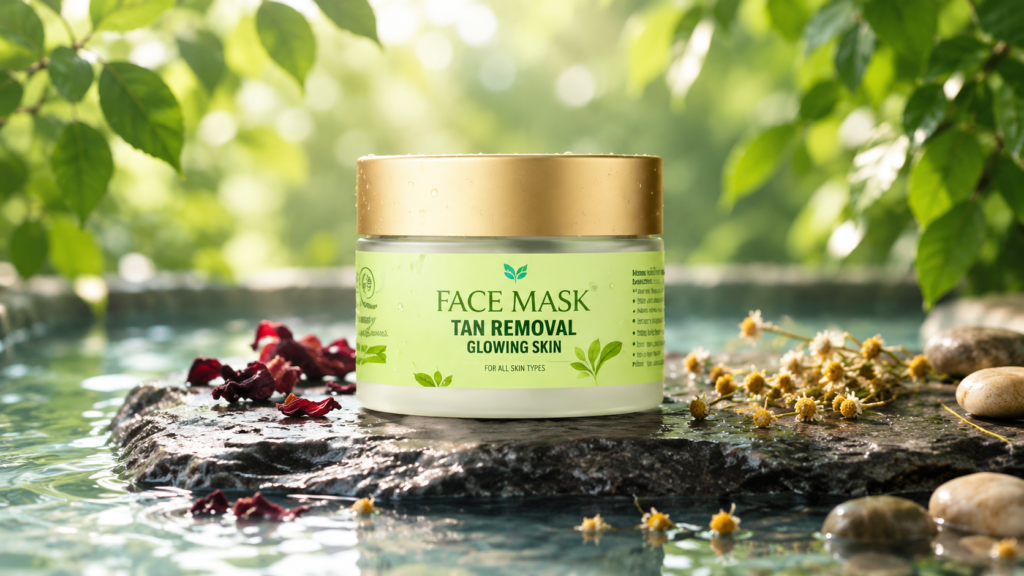
Choosing the right face mask manufacturer in India is an important step for skincare brands, startups, retailers and businesses planning to launch their own cosmetic products. A manufacturing partner can influence the product formulation, quality control, packaging, labelling and overall consistency of your skincare range.
With private label and third-party manufacturing, businesses can develop face mask products under their own brand without establishing their own manufacturing facility. However, it is important to evaluate a manufacturer carefully before starting production.
In India, cosmetic manufacturing is regulated under the Drugs and Cosmetics Act and Cosmetics Rules, 2020. Manufacturing licences for cosmetics are issued by the respective State Licensing Authorities.
Below are 10 important points to consider when choosing a face mask manufacturing partner in India.
1. Check the Manufacturer’s Manufacturing Experience
Experience is one of the first things a brand should consider when selecting a face mask manufacturer in India.
An experienced manufacturer is generally better positioned to understand different product requirements, production processes, packaging formats and brand-specific requirements.
Before finalising a manufacturer, ask about:
- Manufacturing experience
- Product categories
- Types of face masks manufactured
- Production capabilities
- Private label experience
- Third-party manufacturing services
- Quality-control processes
A manufacturer with experience in skincare products can help businesses understand the practical requirements involved in developing and producing a face mask.
2. Look for Appropriate Manufacturing and Quality Standards
Quality should be a major consideration when selecting a face mask manufacturing company.
Ask the manufacturer about its manufacturing facility, quality-control procedures, testing process and applicable certifications or licences.
The regulatory framework for cosmetics in India includes requirements concerning manufacturing, quality and safety. CDSCO states that cosmetics manufactured in India are regulated through inspection and licensing by State Licensing Authorities.
A business should verify the manufacturer’s documentation rather than relying only on claims made on a website or quotation.
3. Understand the Face Mask Formulation
Every skincare brand has different requirements. Some businesses may want a basic face mask, while others may require a formulation designed around particular ingredients or product positioning.
Before production, discuss:
- Product type
- Texture
- Fragrance requirements
- Ingredient preferences
- Product appearance
- Intended skin-care positioning
- Packaging compatibility
- Shelf-life and testing requirements
A clear formulation discussion can help reduce misunderstandings during product development.
4. Ask About Private Label Face Mask Manufacturing
For businesses launching their own skincare brand, private label face mask manufacturing can be an efficient manufacturing model.
Under private label manufacturing, the product is manufactured for a brand and supplied with the brand’s packaging and labelling requirements.
Depending on the manufacturer’s capabilities, businesses may discuss:
- Product selection
- Formulation options
- Brand name
- Label design
- Packaging
- Product quantity
- Batch requirements
- Final dispatch
This allows a business to focus on its branding, marketing and distribution while working with a manufacturing partner for production.
5. Check Packaging and Labelling Support
The product itself is only one part of launching a face mask.
Packaging plays an important role in presenting the product and protecting it during storage and transportation.
Ask whether the manufacturer can support packaging requirements such as:
- Jars
- Bottles
- Pump bottles
- Cream boxes
- Labels
- Outer packaging
- Brand-specific packaging requirements
Labelling should also be checked carefully against applicable regulatory requirements. The Cosmetics Rules, 2020 contain specific provisions regarding cosmetic labelling.
6. Understand the Manufacturing Process
A transparent manufacturing process makes it easier for a brand to understand how an order moves from product selection to final dispatch.
A typical face mask manufacturing workflow may include:
Product Requirement → Formulation → Approval → Manufacturing → Quality Testing → Packaging → Final Quality Check → Dispatch
The exact process can vary according to the product and manufacturer.
A manufacturer should be able to explain the stages relevant to your particular face mask product.
7. Ask About Quality Testing
Quality testing is another important factor when selecting a face mask manufacturer in India.
Before placing an order, ask what quality checks are carried out during manufacturing and before dispatch.
Depending on the product, relevant checks may include evaluation of physical characteristics, stability-related requirements and other applicable quality parameters.
The manufacturer should also be able to explain its batch-control and quality documentation process.
8. Discuss MOQ and Production Requirements
MOQ (Minimum Order Quantity) can be especially important for startups and smaller skincare brands.
Before confirming an order, ask about:
- Minimum order quantity
- Product-wise MOQ
- Packaging MOQ
- Sample availability
- Production timeline
- Repeat-order requirements
- Custom formulation requirements
Having these details in writing helps the brand plan its budget and inventory more effectively.
9. Consider Communication and Customisation
A good manufacturing partnership involves clear communication.
Your manufacturer should understand your requirements regarding:
- Product specifications
- Brand identity
- Packaging
- Labelling
- Quantity
- Delivery requirements
- Product modifications
For private label brands, customisation can be particularly important because the final product needs to fit the brand’s positioning and packaging strategy.
10. Check Whether the Manufacturer Supports Long-Term Business
Choosing a face mask manufacturer in India should not only be about completing one order.
If you plan to build a skincare range, consider whether the manufacturer can support future requirements such as:
- Additional face mask products
- New formulations
- Private label products
- Third-party manufacturing
- Packaging changes
- Repeat production
- Expansion into other skincare categories
A manufacturing partner that understands your long-term requirements can make future product launches easier to manage.
Why Choose a Face Mask Manufacturer in India?
India has a growing cosmetics and personal-care manufacturing ecosystem, giving brands access to manufacturers offering different production and private-label models.
For businesses, working with an Indian manufacturer can provide opportunities to discuss formulation, packaging, production quantities and brand requirements directly with the manufacturing team.
However, brands should always verify the manufacturer’s credentials, applicable licences, quality systems and product documentation before entering into a manufacturing arrangement.
UNICO Pharmaceuticals – Face Mask Manufacturing
UNICO Pharmaceuticals provides face mask manufacturing and private label solutions for businesses looking to develop skincare products under their own brands.
With 35 years of expertise, UNICO focuses on product manufacturing, quality processes and brand-specific requirements. Its face mask manufacturing page describes a process covering product selection, formulation, manufacturing and quality testing, packaging/private labelling, and final quality check and dispatch.
UNICO offers support for businesses looking for:
- Face Mask Manufacturer in India
- Private Label Face Mask Manufacturer
- Third Party Face Mask Manufacturer
- Custom skincare product requirements
- Product formulation support
- Packaging and private labelling
- Manufacturing and quality testing
- Brand-specific packaging requirements
UNICO’s manufacturing information states that products are manufactured in its GMP certificated facility and undergo quality testing.
For a brand planning to launch or expand a skincare range, the manufacturing requirements can be discussed according to the product, packaging and quantity needed.
How to Start Your Face Mask Manufacturing Project with UNICO
The process can be approached in a few simple stages:
01. Share Your Requirement
Tell UNICO about your face mask product, brand and approximate quantity.
02. Select the Product
Discuss the available product/formulation options according to your requirements.
03. Discuss Packaging
Select suitable packaging and provide your brand and labelling requirements.
04. Product & Manufacturing
Once the requirements are finalised, production can proceed according to the agreed specifications.
05. Quality Testing
The manufactured product undergoes the applicable quality checks.
06. Packaging & Dispatch
Products are packed according to the agreed requirements and prepared for dispatch.
Frequently Asked Questions
1. What should I look for in a face mask manufacturer in India?
Look at manufacturing experience, applicable licences and certifications, quality-control processes, formulation capabilities, packaging options, MOQ, documentation and communication.
2. Can I launch my own brand with a private label face mask manufacturer?
Yes. Private label manufacturing allows businesses to develop cosmetic products under their own brand, subject to applicable manufacturing, labelling and regulatory requirements.
3. What is third-party face mask manufacturing?
Third-party manufacturing is a model where a brand works with an external manufacturer to produce its cosmetic products according to agreed requirements.
4. Can face masks be customised?
Depending on the manufacturer’s capabilities, businesses can discuss formulation, fragrance, texture, packaging and other product requirements.
5. What packaging options are available for face masks?
Packaging options depend on the product and manufacturer. Common formats can include jars, bottles, pump bottles and cream boxes.
6. What is MOQ in face mask manufacturing?
MOQ means Minimum Order Quantity. It is the minimum quantity a manufacturer requires for a particular product or production order.
7. How long does face mask manufacturing take?
The timeline depends on formulation, product approval, raw materials, packaging, quantity and production requirements. It should be confirmed with the manufacturer before placing an order.
8. Is quality testing important for face mask products?
Yes. Quality checks are an important part of cosmetic manufacturing. The applicable testing requirements depend on the product and regulatory requirements.
9. Does UNICO Pharmaceuticals provide private label face mask manufacturing?
Yes. UNICO Pharmaceuticals provides private label face mask manufacturing support, including packaging and labelling according to brand requirements.
10. Can startups work with a face mask manufacturer?
Yes. Startups can discuss product selection, MOQ, packaging, private labelling and manufacturing requirements with a suitable manufacturer.
11. What documents should I check before selecting a manufacturer?
Businesses should verify the manufacturer’s applicable manufacturing licence, certifications, product documentation and other relevant regulatory and quality records.
12. Where are cosmetic manufacturing licences issued in India?
For cosmetics manufactured in India, manufacturing licences are issued by the respective State Licensing Authorities, rather than CDSCO directly.
CTR / Call to Action
Looking for a Face Mask Manufacturer in India?
Planning to launch your own skincare or face mask brand?
Talk to UNICO Pharmaceuticals about face mask manufacturing, private label solutions, product requirements and packaging options.