
Lip Balm vs Lip Moisturizer: What Is the Difference?
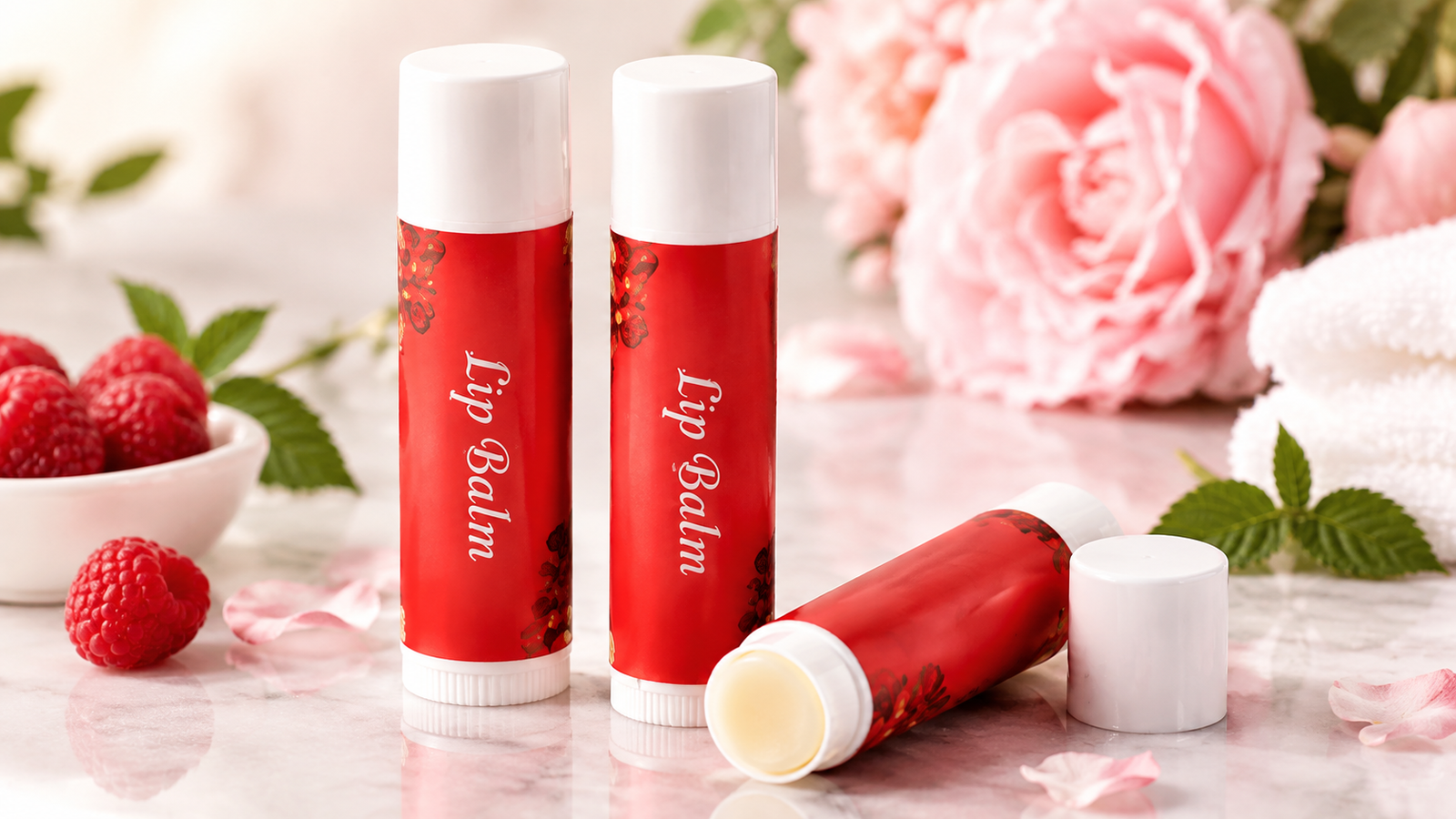
Healthy lips need regular care, especially when they are exposed to dry weather, air conditioning, sunlight, wind, or frequent use of cosmetic products. Two commonly used lip care products are lip balm and lip moisturizer. Although both are designed to improve the condition and comfort of the lips, they can differ in their formulation, texture, purpose, ingredients, and how they support the skin barrier.
For cosmetic brands, retailers, and businesses planning to launch their own lip care range, understanding the difference between these products is also important. The right formulation can help create a product that matches a specific consumer need, whether the goal is everyday lip protection, moisturization, nourishment, or a combination of benefits.
In this guide, we will explain lip balm vs lip moisturizer, how they work, their key differences, common ingredients, suitable applications, formulation considerations, and how businesses can develop customized lip care products.
1. What Is Lip Balm?
Lip balm is a lip care product formulated primarily to protect, soften, and condition the lips. It is commonly available in sticks, tubes, pots, and other convenient packaging formats.
A typical lip balm formulation may contain ingredients such as waxes, oils, butters, emollients, and conditioning ingredients. These components help create a comfortable layer over the lips while supporting softness and reducing the uncomfortable feeling associated with dryness.
Lip balms can be formulated in different varieties, including:
- Moisturizing lip balm
- Natural lip balm
- Flavoured lip balm
- Tinted lip balm
- Herbal lip balm
- Lip balm with SPF
- Medicated or specialized lip care products
For cosmetic brands, lip balm can be developed according to the desired texture, fragrance, flavour, appearance, packaging, and target market.
2. What Is Lip Moisturizer?
A lip moisturizer is a product designed specifically to increase and maintain moisture in the lips. Its formulation generally focuses on hydrating and conditioning ingredients that help lips feel softer and smoother.
Unlike the more traditional waxy texture associated with some lip balms, lip moisturizers may have lighter, creamier, gel-like, or serum-like textures depending on the formulation.
Common types include:
- Lip moisturizing cream
- Lip moisturizing gel
- Lip sleeping mask
- Lip moisturizing serum
- Hydrating lip treatment
- Nourishing lip care products
The exact formulation depends on the intended product benefits and the type of consumer experience a brand wants to create.
3. Lip Balm vs Lip Moisturizer: The Basic Difference
The easiest way to understand the difference is to consider their primary formulation focus.
A lip balm commonly emphasizes protection and conditioning, while a lip moisturizer focuses more strongly on moisture and hydration.
However, the two categories can overlap significantly. A modern lip balm can contain highly moisturizing ingredients, while a lip moisturizer can also provide a protective layer.
| Feature | Lip Balm | Lip Moisturizer |
|---|---|---|
| Main purpose | Protection and conditioning | Moisture and hydration |
| Typical texture | Balm, waxy, creamy or smooth | Cream, gel, serum or soft texture |
| Common ingredients | Waxes, oils, butters, emollients | Humectants, emollients, oils, conditioning agents |
| Application | Usually throughout the day | Depending on formulation, day or night |
| Packaging | Stick, tube, pot | Tube, pot, pump or applicator |
| Consumer use | Everyday lip protection | Dryness and moisture-focused care |
The distinction is not absolute because formulations can be designed to provide both moisturization and protection.
4. How Does Lip Balm Work?
Lip balm can work by creating a protective and conditioning layer over the lips.
Ingredients such as waxes and oils can help improve the feel of dry lips while reducing the uncomfortable sensation caused by environmental exposure. Emollient ingredients can make the lips feel smoother and softer.
Depending on the formulation, a lip balm may also contain ingredients selected for:
- Softness
- Smooth application
- Conditioning
- Moisture retention
- Shine
- Fragrance or flavour
- Tinted appearance
- Sun protection
The formulation should be developed according to the intended product positioning and cosmetic requirements.
5. How Does Lip Moisturizer Work?
Lip moisturizers are generally formulated around ingredients that help improve the moisture condition and feel of the lips.
A formulation may use different categories of ingredients to achieve this.
Humectants
Humectants are commonly used in moisturizing formulations because they help attract and retain water.
Emollients
Emollients help improve the softness and smoothness of the skin.
Occlusive ingredients
Certain ingredients can form a layer that helps reduce moisture loss from the surface.
A well-designed lip moisturizer may therefore combine different ingredient categories rather than relying on one type of ingredient alone.
6. Key Ingredients Used in Lip Balm
Lip balm formulations can contain a combination of structural, moisturizing, and conditioning ingredients.
Common examples include:
- Beeswax
- Candelilla wax
- Carnauba wax
- Shea butter
- Cocoa butter
- Coconut oil
- Castor oil
- Jojoba oil
- Plant-derived oils
- Vitamin E
- Emollients
- Flavouring ingredients
- Cosmetic colourants where applicable
The exact ingredient combination depends on the desired texture, stability, appearance, application experience, and product positioning.
7. Key Ingredients Used in Lip Moisturizers
Lip moisturizers may use a broader range of moisturizing and conditioning ingredients.
Common formulation categories include:
- Humectants
- Plant oils
- Natural butters
- Emollients
- Conditioning agents
- Vitamin derivatives
- Botanical extracts
- Skin-conditioning ingredients
For example, a brand may develop a lip moisturizer around a combination of hydrating, nourishing, and conditioning ingredients to create a softer application experience.
8. Lip Balm Is Often More Protective
One of the major reasons consumers choose lip balm is its convenient protective nature.
A balm can be designed to leave a comfortable layer on the lips, which can be particularly useful during:
- Cold weather
- Dry weather
- Windy conditions
- Air-conditioned environments
- Outdoor activities
- Frequent lip product use
This makes lip balm a popular everyday lip care format.
9. Lip Moisturizer Focuses on Moisture Care
Lip moisturizers are particularly attractive to consumers who are looking for a product centered around hydration and softness.
They can be positioned as:
- Daily moisturizing care
- Overnight lip care
- Intensive lip nourishment
- Hydrating lip treatment
- Smoothening lip care
The texture can also differentiate the product from conventional lip balm sticks.
10. Texture Difference Between Lip Balm and Lip Moisturizer
Texture is an important part of the consumer experience.
Traditional lip balms often have a solid or semi-solid structure because of their wax and butter content. Lip moisturizers can have a creamier or lighter texture.
| Product | Common Texture |
|---|---|
| Lip Balm Stick | Solid and smooth |
| Lip Balm Pot | Soft balm |
| Lip Moisturizer | Creamy or soft |
| Lip Gel | Lightweight gel |
| Lip Serum | Lightweight serum |
| Lip Sleeping Mask | Thick and nourishing |
Modern cosmetic formulation allows brands to create products that combine several texture characteristics.
11. Packaging Differences
Packaging can also help consumers distinguish between different lip care products.
Lip balm is commonly packaged in twist-up tubes, which makes it convenient for everyday carrying and application.
Lip moisturizers may be packaged in:
- Tubes
- Pots
- Squeeze containers
- Applicator tubes
- Pump containers
- Specialized cosmetic packaging
Packaging should be selected according to the product’s texture, application method, shelf-life requirements, branding, and target market.
12. Which Product Is Better for Everyday Lip Care?
There is no single answer because the suitable product depends on the formulation and the consumer’s needs.
A consumer looking for a convenient product to carry throughout the day may prefer a traditional lip balm stick.
Someone looking for a richer moisturizing experience may prefer a lip moisturizer, cream, gel, or sleeping mask.
Brands can also offer both products as part of a broader lip care range.
13. Can Lip Balm Also Moisturize Lips?
Yes. A lip balm does not have to be limited to protection.
Many modern lip balm formulations contain ingredients that provide moisturizing and conditioning benefits. Oils, butters, emollients, and other conditioning ingredients can contribute to a softer and more comfortable lip feel.
Therefore, the terms lip balm and lip moisturizer should not always be treated as completely separate categories.
The actual formulation and product claims are more important than the product name alone.
14. Can Lip Moisturizer Also Protect Lips?
Yes. A lip moisturizer can also contain ingredients that help provide a protective or conditioning layer.
For example, a formulation can combine moisturizing ingredients with emollient or occlusive components.
This creates an opportunity for brands to develop multifunctional products that provide both moisture and protection.
15. Lip Balm vs Lip Moisturizer for Different Consumer Needs
Different consumers may prefer different product formats.
| Consumer Need | Suitable Product Format |
|---|---|
| Convenient everyday application | Lip Balm Stick |
| Protective lip care | Lip Balm |
| Moisture-focused care | Lip Moisturizer |
| Overnight care | Lip Sleeping Mask |
| Lightweight feel | Lip Gel or Serum |
| Nourishing texture | Butter-based Lip Balm |
| Tinted cosmetic appearance | Tinted Lip Balm |
The final choice depends on the formulation and intended product positioning.
16. Natural Ingredients in Lip Care Formulations
Natural and plant-derived ingredients are increasingly used in cosmetic product development.
Depending on the formulation, brands may consider ingredients such as:
- Shea butter
- Cocoa butter
- Coconut oil
- Jojoba oil
- Almond oil
- Castor oil
- Botanical extracts
- Plant-derived waxes
However, an ingredient should not be selected only because it is natural. Formulators also need to consider compatibility, stability, texture, safety, sensory performance, and regulatory requirements.
17. Why Formulation Matters More Than the Product Name
Two products can both be called “lip balm” but provide very different consumer experiences.
For example, one formulation may be:
- Lightweight
- Non-sticky
- Glossy
- Flavoured
Another may be:
- Rich
- Butter-based
- Nourishing
- More protective
The same applies to lip moisturizers.
Therefore, businesses should focus on the formulation objectives rather than selecting a product name first.
18. Custom Lip Balm Formulation for Cosmetic Brands
Businesses planning to launch their own lip care brand can develop customized lip balm formulations according to their target audience.
Customization can involve:
- Texture
- Fragrance
- Flavour
- Colour
- Ingredient selection
- Packaging
- Product positioning
- Label design
- Brand identity
A private label manufacturer can work with a business to develop a product according to its specific requirements and market positioning.
19. Private Label Lip Balm Manufacturing
Private label lip balm manufacturing allows businesses to launch lip care products under their own brand name without establishing their own manufacturing facility.
Depending on the manufacturer and project requirements, the process may include:
- Product concept
- Formulation selection
- Ingredient selection
- Sample development
- Testing
- Packaging selection
- Label and branding
- Manufacturing
- Quality checks
- Final packaging
This model can be useful for cosmetic brands, retailers, startups, salons, online businesses, and other companies planning to enter the lip care market.
20. Third-Party Lip Balm Manufacturing
Third-party manufacturing provides another route for businesses looking to develop lip care products.
A manufacturer can produce products according to agreed specifications while the brand focuses on areas such as:
- Marketing
- Distribution
- Branding
- Sales
- Customer relationships
Depending on the manufacturer, businesses may be able to select from existing formulations or discuss customized product development.
21. How to Choose a Lip Balm Manufacturer?
Before selecting a manufacturer, businesses should evaluate several factors.
Consider:
- Manufacturing experience
- Product development capabilities
- Quality control systems
- Manufacturing standards
- Available formulations
- Packaging options
- Customization options
- Production capacity
- Documentation
- Communication
- Delivery requirements
A manufacturer with experience in cosmetic and personal care production can help businesses understand the practical requirements involved in launching a lip care product.
22. Why Packaging Is Important for Lip Care Products
Lip care products are small, but packaging plays a major role in their market presentation.
A well-designed package should be:
- Convenient to use
- Easy to carry
- Suitable for the formulation
- Visually appealing
- Appropriate for the target audience
- Consistent with the brand identity
For private label products, packaging can also help create a distinctive identity in a competitive cosmetic market.
23. Lip Balm and Lip Moisturizer for Different Market Segments
Brands can develop different lip care products for different customer segments.
For example:
Everyday Consumer
A simple moisturizing lip balm in a convenient tube.
Premium Cosmetic Brand
A luxurious lip treatment with premium packaging and a rich texture.
Natural Beauty Brand
A plant-based formulation with selected botanical ingredients.
Youth-Focused Brand
A flavoured or tinted lip balm with attractive packaging.
Professional Beauty Brand
A specialized moisturizing lip treatment designed as part of a larger skincare range.
This segmentation allows businesses to develop products according to their intended market.
24. How Businesses Can Build a Lip Care Range
Instead of launching just one product, a brand can create a complete lip care collection.
For example:
- Daily Lip Balm
- Moisturizing Lip Balm
- Tinted Lip Balm
- Lip Scrub
- Lip Sleeping Mask
- Lip Moisturizer
- Lip Oil
- Lip Treatment
A broader range can help a brand address different consumer preferences while maintaining a consistent brand identity.
25. Lip Balm vs Lip Moisturizer: Final Comparison
The difference between lip balm and lip moisturizer is mainly related to their formulation focus, texture, application, and positioning.
Lip balm is commonly associated with convenient everyday protection and conditioning, while lip moisturizer is generally positioned around hydration and moisture-focused care.
However, modern cosmetic formulations can combine these characteristics. A lip balm can be highly moisturizing, while a lip moisturizer can also provide conditioning and protection.
For businesses, the most important factors are therefore the formulation, ingredients, product purpose, packaging, target market, and desired consumer experience.
26. Why Choose UNICO Pharmaceuticals for Lip Care Manufacturing?
For businesses planning to launch their own lip balm or lip moisturizer brand, UNICO Pharmaceuticals offers manufacturing experience and product development support.
With 35 years of industry expertise, UNICO Pharmaceuticals works across pharmaceutical, cosmetic, personal care, and related product categories. The company focuses on developing and manufacturing products according to business requirements, including customized and private label solutions.
UNICO Pharmaceuticals is GMP certificted, supporting a manufacturing approach focused on quality and consistent production.
Businesses can discuss requirements such as:
- Lip balm manufacturing
- Lip moisturizer manufacturing
- Private label lip care products
- Custom formulations
- Product packaging
- Branding requirements
- Third-party manufacturing
- Cosmetic product development
For a new lip care brand, working with an experienced manufacturer can simplify the journey from product concept to finished product.
27. Conclusion
Lip balm and lip moisturizer may appear similar, but their formulation objectives and consumer positioning can be different. Lip balm is commonly designed around protection, conditioning, and convenient everyday use, while lip moisturizer focuses more strongly on hydration and maintaining a soft, comfortable feel.
However, there is considerable overlap between the two categories. A well-developed lip balm can provide moisturization, while a lip moisturizer can provide conditioning and protection.
For cosmetic businesses, the opportunity goes beyond choosing between the two. Brands can develop customized products based on their target audience, preferred texture, ingredients, packaging, fragrance or flavour, and overall market positioning.
Whether you are planning to launch a private label lip balm, moisturizing lip care product, or customized cosmetic range, choosing the right formulation and manufacturing partner is an important part of product development.
Frequently Asked Questions
1. Is lip balm the same as lip moisturizer?
No. They can have similar functions, but lip balm is generally associated with protection and conditioning, while lip moisturizer focuses more on moisture and hydration.
2. Can lip balm moisturize dry lips?
Yes. Many lip balm formulations contain oils, butters, and emollients that help improve the softness and moisturized feel of the lips.
3. Which is better, lip balm or lip moisturizer?
The suitable product depends on the formulation and the consumer’s requirements. Both can be developed to provide moisturizing and conditioning benefits.
4. What ingredients are commonly used in lip balm?
Common ingredients include waxes, oils, butters, emollients, and conditioning ingredients.
5. Can I create my own private label lip balm?
Yes. Businesses can work with cosmetic manufacturers to develop lip balm products under their own brand.
6. Does UNICO Pharmaceuticals manufacture lip balm?
UNICO Pharmaceuticals can support businesses with cosmetic and personal care manufacturing requirements, including customized and private label product development. Businesses should discuss their specific lip care requirements with the manufacturing team.