
Body wash and soap are two of the most common products used for everyday bathing, but they are not exactly the same. Both can help remove sweat, dirt and excess oil from the skin, yet their ingredients, textures, application methods and overall feel can differ. Choosing between them depends on your skin type, bathing habits and personal preferences.
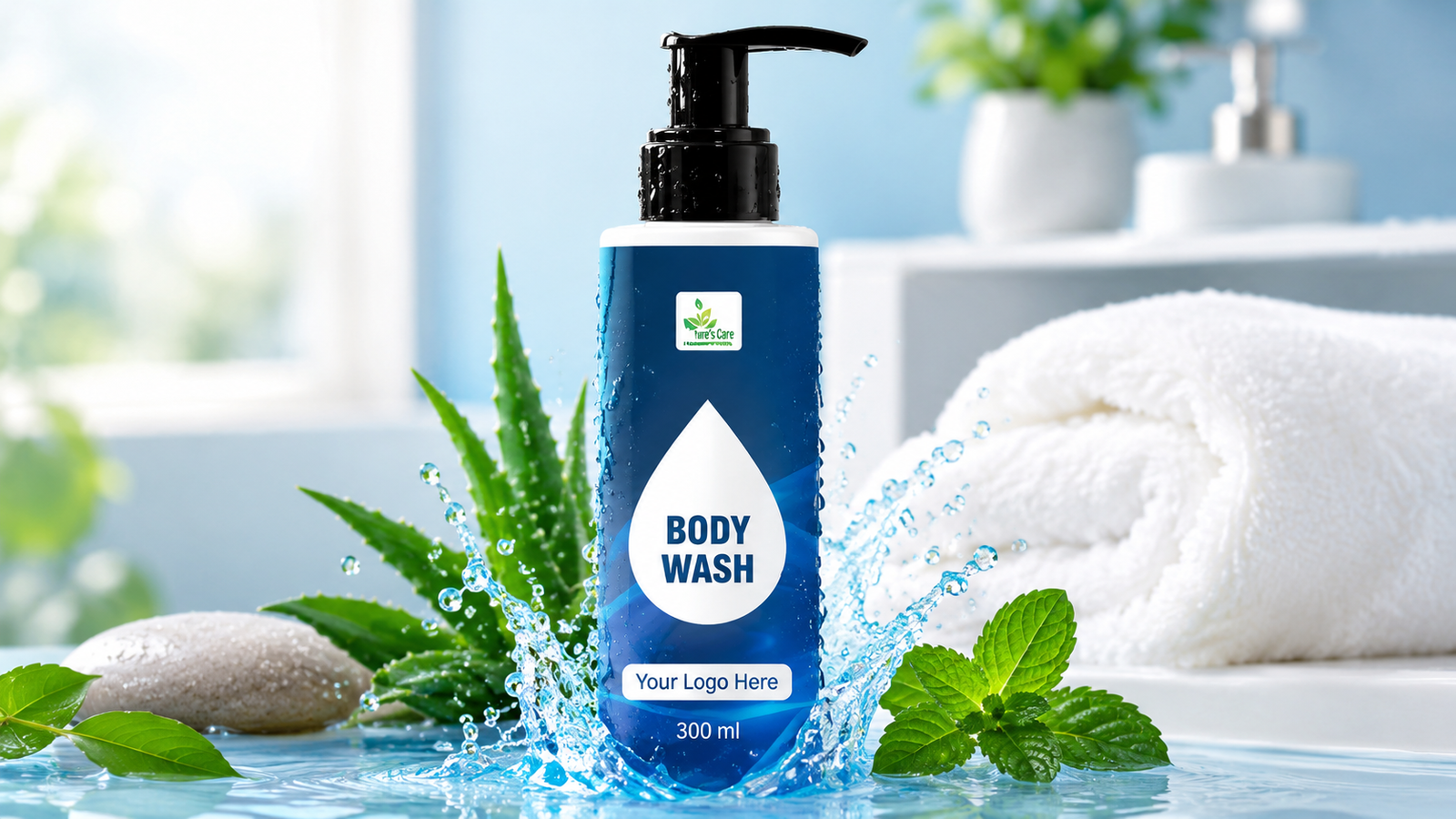
A practical comparison of body wash and soap for everyday body cleansing.
If you have ever wondered whether bar soap vs body wash is the better option, the answer depends on the product formulation rather than the format alone. Some soap bars can leave the skin feeling dry, while some body washes are designed with moisturizing ingredients. On the other hand, not every liquid cleanser is suitable for sensitive skin, and a well-formulated soap bar may work comfortably for many people.
In this guide, we explain the difference between soap and body wash, compare their everyday uses, discuss the best bath soap for daily use, and explore how to select a suitable cleanser for dry or sensitive skin. We also cover common cleansing mistakes, practical skincare tips and private-label body wash manufacturing options for businesses.
Quick answer: Body wash and soap can both clean the skin effectively. If your skin tends to feel dry or sensitive, consider a gentle formula that suits your skin and follow it with a moisturizer when needed. Choose based on the ingredients, your skin's response and the product directions.
1. What Is Body Wash and What Is Soap?
What Is Body Wash?
Body wash is a liquid or gel cleanser designed for use on the body during a bath or shower. It typically contains cleansing agents that help lift away sweat, dirt and excess oil so they can be rinsed off with water. Depending on the formula, it may also contain humectants, emollients, fragrance or other skin-conditioning ingredients.
Body wash is available in different textures, including lightweight gels, creamy cleansers and richer formulations. Some are designed around a refreshing bathing experience, while others focus on a softer skin feel. The product's texture and performance depend on its complete formulation, not just one featured ingredient.
One practical advantage of body wash is its easy dispensing. It can be applied directly with clean hands or used with a clean washcloth. Bottles with pumps may also help users control the amount dispensed. However, a large quantity is not necessary for effective everyday cleansing.
What Is Bar Soap?
Traditional soap is generally a solid cleansing product made through a process that combines fats or oils with an alkali. Soap helps remove oils and dirt from the skin so they can be washed away. Modern cleansing bars may use different formulations, and some products marketed as beauty bars or cleansing bars are not traditional soap in the strict chemical sense.
Soap bars are often compact, easy to store and convenient for travel. They are available in a wide range of fragrances and formulations. Some are designed to provide a rich lather, while others include ingredients intended to support a softer skin feel.
However, traditional soap can be more alkaline than the skin's natural surface. Depending on the formula and the person's skin, this may contribute to dryness or tightness. The effect varies, so it is important to assess the individual product rather than assume every bar soap behaves the same way.
2. Difference Between Soap and Body Wash
The difference between soap and body wash is mainly related to their format, cleansing system, formulation and application. Both can remove everyday dirt and excess oil. Neither option is automatically better for everyone, and the product's suitability depends on your skin type and how it feels after use.
Formulation and Cleansing Ingredients
Traditional soap is usually made from fatty-acid salts created through saponification. Many liquid body washes use synthetic cleansing agents, often called surfactants, to help remove oil and dirt. The exact cleansing system can affect lather, rinse feel and how the skin responds to repeated use.
Some solid cleansing bars are formulated to be milder, and some body washes may still feel drying or irritating. The product label and your own skin response are more useful guides than format alone.
Texture and Application
Body wash is dispensed as a liquid and can be applied using the hands or a suitable bathing accessory. Soap is generally rubbed between wet hands or gently applied to create lather. Both should be spread over the skin without vigorous scrubbing and rinsed off thoroughly.
Moisturizing Options
Some body washes contain humectants such as glycerin or other skin-conditioning ingredients. Some soap bars also contain emollients or moisturizing components. These ingredients may influence how the skin feels after bathing, but their effects depend on the complete formula.
If your skin tends to feel dry, look for a product designed for dry skin and consider using a separate moisturizer after bathing. A cleanser alone may not provide all the hydration your skin needs.
Storage and Convenience
Body wash is typically stored in a bottle or dispenser. A soap bar needs a clean place to dry between uses. Keeping a soap bar on a draining dish helps prevent it from remaining wet and becoming soft. Reusable shower accessories should also be cleaned and allowed to dry between uses.
3. Body Wash vs Soap: Side-by-Side Comparison
When comparing body wash vs soap, consider these practical differences. Remember that the exact experience depends on the specific product formulation.
| Feature | Body Wash | Bar Soap |
|---|---|---|
| Format | Liquid or gel, usually supplied in a bottle | Solid bar or cleansing bar |
| Application | Applied with hands or a suitable bathing accessory | Rubbed gently between wet hands or over the skin |
| Formulation | Often uses surfactant-based cleansing systems | Traditional soap uses fatty-acid salts; other bars may use different systems |
| Moisturizing options | Some formulas contain humectants and conditioning agents | Some bars also contain moisturizing or conditioning ingredients |
| Storage | Keep the bottle closed and follow label directions | Allow the bar to drain and dry between uses |
| Travel convenience | Liquid containers may need leak protection | Compact, but needs a clean soap case |
| Dry skin suitability | Choose a formula specifically suitable for dry skin | Choose a mild bar that does not leave skin uncomfortable |
| Sensitive skin suitability | Fragrance-free options may suit some users | Gentle, fragrance-free bars may also be suitable for some users |
| Best choice | Depends on formulation, preference and skin response | Depends on formulation, preference and skin response |
Is Bar Soap Better Than Body Wash?
The question is bar soap better than body wash does not have one universal answer. A mild bar soap or cleansing bar may work well for someone whose skin remains comfortable after use. Another person may prefer a body wash formulated for dry skin because it feels less drying.
Consider how your skin feels after bathing. If you regularly notice tightness, itching, flaking or discomfort, try adjusting your bathing habits and selecting a gentler product. If the symptoms continue, seek advice from a healthcare professional.
4. Body Wash Benefits for Daily Skin Care
The body wash benefits you experience depend on the product and how you use it. For many people, body wash is a convenient way to cleanse the skin and maintain a regular bathing routine.
Helps Remove Sweat and Everyday Dirt
Sweat, excess oil and environmental particles can collect on the skin during daily activities. A body wash helps loosen this buildup so it can be rinsed away. Cleansing can be particularly useful after exercise, outdoor work or spending time in warm weather.
Offers Different Formulation Choices
Body washes are available in different textures and formulations. Some are lightweight and refreshing, while others are designed for a creamy or moisturizing feel. This range allows consumers to select a product based on their preferences and skin needs.
Can Support a Comfortable Skin Feel
Some formulations include glycerin and other conditioning ingredients to help support a comfortable skin feel. These may be useful for people who experience dryness after bathing. However, a moisturizing cleanser does not replace a separate moisturizer when additional hydration is needed.
Convenient to Dispense and Use
Liquid body wash can be easy to dispense and use in a daily shower. A pump bottle may help control how much product is used. Using a moderate amount and rinsing thoroughly can help keep the routine simple without unnecessary product waste.
Can Fit Into Different Body-Care Routines
People may choose body wash for its texture, fragrance, convenience or suitability for a particular skin type. A consistent routine that includes gentle cleansing and moisturizer when needed is generally more useful than repeatedly switching products based only on marketing claims.
5. Benefits of Using Bar Soap
Bar soap also has practical advantages. A suitable bar can cleanse effectively and may be a convenient choice for everyday bathing.
Compact and Easy to Store
Soap bars are compact and do not require a liquid bottle. They can be useful for travel when stored in a clean, draining soap case. They should be allowed to dry between uses to help prevent the bar from becoming soft.
Simple Application
A soap bar can be rubbed gently between wet hands to create lather. Users can then spread the lather over the body and rinse it away. A washcloth is optional and should be kept clean.
Available in Different Formulations
Soap and cleansing bars come in different formulations, fragrances and textures. Some are designed for a richer lather, while others are formulated with skin-conditioning ingredients. The best choice depends on how the product performs for your skin.
May Suit People Who Prefer a Solid Product
Some users prefer a bar because it is familiar, compact and straightforward to use. If a particular bar cleanses effectively and does not cause dryness or irritation, there may be no need to change products simply because liquid body wash is popular.
6. Body Wash for Dry Skin: What Should You Look For?
Dry skin may feel rough, tight or flaky, particularly after bathing. Hot water, frequent washing and certain cleansing products can contribute to discomfort. Selecting a suitable body wash for dry skin can be one part of a more comfortable routine.
Consider a Moisturizing Formula
A moisturizing body wash for dry skin may contain humectants such as glycerin or other skin-conditioning ingredients. These ingredients can help support a softer skin feel, although the complete formulation matters more than any single ingredient.
Look for clear product information and follow the label directions. Avoid assuming that every product described as moisturizing will suit your skin equally well.
Choose Gentle Cleansing Habits
Use lukewarm rather than very hot water. Apply the cleanser gently and avoid repeated scrubbing. Rinse thoroughly, then pat the skin dry with a clean towel. These simple habits can reduce unnecessary friction and help make bathing more comfortable.
Use a Separate Moisturizer When Needed
For many people with dry skin, moisturizer is an important step after bathing. Applying a suitable cream or lotion while the skin is slightly damp can help support moisture retention. Choose a product that works for your skin and use it consistently if needed.
What Is the Best Body Wash for Dry Skin?
The best body wash for dry skin is one that cleanses effectively without leaving your skin feeling uncomfortably tight or irritated. A mild formula with suitable conditioning ingredients may be a useful option. There is no single formula that is best for everyone, so pay attention to the ingredient list and your skin's response.
If dryness continues, becomes severe or is accompanied by cracking, redness or persistent itching, consult a dermatologist instead of relying on a cleanser change alone.
7. Choosing Body Wash for Dry Sensitive Skin
People with sensitive skin may react to fragrance, certain ingredients, friction or water temperature. Choosing a body wash for dry sensitive skin means paying attention to the formulation and using a gentle bathing routine.
Consider Fragrance-Free Products
Fragrance-free formulas may be worth considering if fragrance tends to trigger irritation. However, fragrance-free does not guarantee that a product will suit everyone. Check the ingredient list for known sensitivities and discontinue use if a reaction occurs.
Avoid Unnecessary Scrubbing
Loofahs and rough exfoliating accessories may create friction. If your skin is easily irritated, use your hands or a soft, clean washcloth and apply gentle pressure. The goal is to remove everyday dirt without causing unnecessary irritation.
Keep the Routine Simple
Using several new products at the same time can make it difficult to identify which one is causing a reaction. Introduce new products carefully and pay attention to how your skin responds. Stop using a cleanser that causes repeated discomfort.
When to Seek Professional Advice
Persistent itching, redness, swelling, painful skin or a recurring rash may need professional assessment. A dermatologist can help identify possible triggers and suggest suitable cleansing and moisturizing products.
8. Best Body Wash for Daily Use or Best Bath Soap for Daily Use?
The best body wash for daily use is not necessarily the product with the strongest fragrance, the most foam or the most elaborate claims. Similarly, the best bath soap for daily use is not automatically the most expensive or the most heavily marketed bar.
For everyday cleansing, focus on these practical factors:
- Skin compatibility: Choose a product that suits your skin type and does not cause persistent discomfort.
- Ingredient information: Read the label and consider known sensitivities.
- Cleansing performance: The product should remove everyday dirt and sweat when used as directed.
- Comfort after bathing: Your skin should not feel excessively tight or irritated.
- Convenience: Choose a format that fits your routine, storage space and personal preferences.
- Moisturizing needs: If your skin is dry, use a suitable moisturizer after bathing when needed.
For Normal Skin
If your skin generally feels comfortable, you may have flexibility when selecting a body wash or soap. Choose a product that cleanses effectively and feels pleasant after rinsing. You do not need to change products simply because another format is trending.
For Dry Skin
Consider a cleanser intended for dry skin, avoid very hot water and use moisturizer after bathing. A moisturizing body wash can be useful, but a suitable cleansing bar may also work for some people.
For Sensitive Skin
Look for products with clear ingredient information and consider fragrance-free options if fragrance is a known trigger. Keep the routine gentle and stop using products that repeatedly cause irritation.
9. How to Use Body Wash and Soap Properly
Correct use matters regardless of whether you choose liquid body wash or a bar. The following steps can help you keep your daily cleansing routine simple and comfortable.
Step 1: Wet the Skin
Use lukewarm water to wet your body. Very hot water may worsen dryness for some people, so keep the temperature comfortable.
Step 2: Use a Moderate Amount
Dispense a small amount of body wash or gently create lather with a soap bar and clean hands. You generally do not need to use excessive product to cleanse your body.
Step 3: Cleanse Gently
Spread the product over the body using your hands or a clean, soft bathing accessory. Pay attention to areas that tend to accumulate sweat, such as the underarms and feet. Avoid aggressive scrubbing.
Step 4: Rinse Thoroughly
Rinse away all the cleanser. Leaving residue on the skin may cause discomfort for some people, particularly around skin folds.
Step 5: Pat Dry and Moisturize
Use a clean towel to pat the skin dry rather than rubbing vigorously. If your skin tends to become dry, apply a suitable moisturizer while it is slightly damp.
Step 6: Keep Your Bathing Products Clean
Store body wash according to its label directions. Let soap bars dry between uses and clean reusable bathing accessories regularly. Avoid sharing personal bathing accessories.
10. Common Cleansing Mistakes to Avoid
Even a suitable cleanser may feel uncomfortable if your bathing routine is too harsh. Avoid these common mistakes when choosing between body wash and soap.
- Using very hot water: Hot showers may aggravate dryness for some people.
- Scrubbing too hard: Excessive friction can irritate the skin.
- Using too much cleanser: More product does not necessarily mean better cleansing.
- Ignoring product directions: Read the label and use the product as instructed.
- Skipping moisturizer when needed: Dry skin may benefit from a separate moisturizer after bathing.
- Choosing fragrance based on strength alone: A stronger scent does not mean a cleanser is more effective.
- Leaving soap in standing water: Use a draining soap dish so the bar can dry between uses.
- Keeping shower accessories damp: Clean and dry reusable accessories regularly.
- Using body cleanser on every area: Facial skin and intimate areas may need different care. Follow product directions.
- Ignoring persistent irritation: Stop using a product that repeatedly causes discomfort and seek professional advice if symptoms continue.
11. How to Build a Simple Daily Body-Care Routine
A useful body-care routine does not need to involve many products. Start with a suitable cleanser and adjust your habits based on your skin type and daily activities.
Cleanse According to Your Needs
Showering after exercise or heavy sweating can help remove sweat and surface impurities. Avoid unnecessary repeated washing if it leaves your skin dry or uncomfortable.
Moisturize When Needed
Apply a suitable body moisturizer after bathing if your skin feels dry. People with very dry skin may find that consistent moisturizing is more helpful than repeatedly changing cleansers.
Pay Attention to Changes in Your Skin
If your skin becomes tight, flaky or itchy after changing products, review the cleanser and your bathing habits. A gentler formula or a simpler routine may help. Seek professional advice if symptoms persist.
Choose Consistency Over Trends
There is no need to change your soap or body wash every time a new product becomes popular. If your current cleanser suits your skin and meets your needs, consistency can make your routine easier to maintain.
12. Private Label Body Wash Manufacturing for Brands
Body wash is an established personal-care category with a range of possible product formats, textures, fragrances and packaging styles. Businesses planning to launch a body wash product need to consider their target audience, intended price point, product specifications and sales channels before choosing a manufacturing partner.
Private-label manufacturing provides a route for businesses to market body wash under their own brand through an arrangement with a manufacturer. Depending on the supplier's capabilities, the process may involve selecting an available formulation, reviewing product specifications, choosing packaging and approving label artwork.
Define Your Product Concept
Start by deciding who the product is intended for. Your concept may focus on everyday cleansing, a moisturizing feel, a particular fragrance profile or another supported product feature. Clearly identify the intended customer and avoid adding claims that cannot be substantiated.
Discuss Formulation and Packaging
Ask the manufacturer which formulations and packaging formats are available. Discuss texture, fragrance, product specifications, bottle size and dispensing options. Confirm whether customisation is available and whether it changes the MOQ, price or production timeline.
Review Quality Information
Ask about the quality procedures and documentation relevant to the proposed product. Review any certification claims and confirm the certificate's scope and validity. Requirements vary depending on the product and intended market, so obtain project-specific information before finalising your decision.
Confirm MOQ, Pricing and Timelines
Minimum order quantities, unit costs and lead times depend on the formulation, packaging, production schedule and customisation. Request a written quotation that explains what is included and identifies additional costs, taxes, payment terms and delivery arrangements.
Explore Private Label Body Wash with UNICO
Businesses interested in launching their own body wash range can visit the UNICO Pharmaceuticals Private Label Body Wash Manufacturers page to explore the relevant manufacturing offering. Confirm the current product options, available services, minimum order quantities, documentation and commercial terms directly with the company.
You can also learn more about the company through the About Us page, review available information on the Certificates page, or explore the Cosmetics category and Skin and Hair Care section.
For business enquiries: Prepare your product concept, preferred formulation, packaging requirements, approximate order quantity and target market before contacting a manufacturer. This makes it easier to discuss relevant options and receive a project-specific quotation.
Conclusion: Which Is Better for Daily Skin Care?
When comparing body wash vs soap, the most suitable choice depends on your skin type, the formulation and how your skin responds after bathing. Both formats can remove everyday dirt, sweat and excess oil. Some people prefer liquid body wash for its texture and convenience, while others prefer the compact format of a soap bar.
If you have dry skin, consider a cleanser formulated for your needs, avoid very hot water and apply a suitable moisturizer after bathing when necessary. If you have sensitive skin, review ingredient information and consider fragrance-free options when appropriate. Stop using products that cause repeated irritation and seek professional advice if symptoms persist.
For businesses exploring the personal-care category, private-label manufacturing can offer a way to develop a body wash product under their own brand. Review formulation options, packaging, quality documentation, MOQ and commercial terms before choosing a manufacturing partner. To learn more about relevant options, visit the UNICO private-label body wash manufacturing page.
Planning to Launch Your Own Body Wash Brand?
Explore private-label body wash manufacturing options and discuss your product concept, packaging preferences, order requirements and project specifications with UNICO Pharmaceuticals.
Explore Private Label Body Wash →Frequently Asked Questions About Body Wash vs Soap
Find answers to common questions about body wash, bar soap, daily cleansing and choosing products for dry or sensitive skin.
1. What is the main difference between soap and body wash?
Traditional soap is generally a solid cleanser made from fatty-acid salts, while body wash is a liquid or gel cleanser that often uses surfactants. Both can clean the skin, but their ingredients, texture and skin feel may differ.
2. Is bar soap better than body wash?
Neither is automatically better for everyone. The best option depends on the product formulation, your skin type and how your skin responds. Choose a cleanser that removes everyday dirt without causing persistent dryness or irritation.
3. What is the best body wash for dry skin?
A body wash formulated for dry skin and containing suitable skin-conditioning ingredients may be a useful option. Use lukewarm water and apply a separate moisturizer after bathing if your skin needs additional hydration.
4. Can I use body wash every day?
Many people use body wash daily. The right frequency depends on your skin, activity level and product formulation. If your skin becomes dry or irritated, consider a gentler cleanser and adjust your bathing habits.
5. What is the best bath soap for daily use?
The best bath soap for daily use is one that suits your skin and cleanses effectively without causing persistent discomfort. Read the ingredients and choose a formula appropriate for your skin type.
6. What are the main body wash benefits?
Body wash helps remove sweat, dirt and excess oil. Depending on the formula, it may also include moisturizing or conditioning ingredients and offer a convenient alternative to a solid cleansing bar.
7. Is body wash good for sensitive skin?
Some body washes are formulated for sensitive skin. Fragrance-free options may be worth considering if fragrance is a known trigger. Check the ingredient list and stop using any product that causes irritation.
8. Which is better for dry sensitive skin: soap or body wash?
There is no single answer for everyone. A gentle body wash or a suitable cleansing bar may work, depending on the formulation and your skin. Avoid hot water and rough scrubbing, and use moisturizer when needed.
9. Does body wash moisturize the skin?
Some body washes contain humectants or skin-conditioning ingredients that can support a softer skin feel. However, a rinse-off cleanser may not provide enough hydration for very dry skin, so a separate moisturizer may still be needed.
10. Can soap cause dry skin?
Some soap formulations may leave certain people feeling dry or tight, particularly with frequent washing or hot water. If this happens, consider a gentler product and use a moisturizer after bathing.
11. How should I use body wash correctly?
Wet your skin with lukewarm water, apply a moderate amount of body wash, gently cleanse the body and rinse thoroughly. Pat dry with a clean towel and moisturize if needed. Follow the product label.
12. Should I use a loofah with body wash?
A loofah is optional. You can apply body wash with clean hands or a soft washcloth. If you use a bathing accessory, clean it regularly and allow it to dry between uses. Avoid rough scrubbing if your skin is sensitive.
13. Can body wash be used on the face?
Not every body wash is suitable for facial skin. Check the product directions and consider using a facial cleanser designed for your skin's needs.
14. Can brands launch their own body wash through private-label manufacturing?
Private-label manufacturing can allow businesses to market body wash under their own brand, depending on the manufacturer's capabilities and applicable requirements. Discuss formulation, packaging, MOQ, quality documentation and commercial terms before placing an order.
15. Where can I enquire about private-label body wash manufacturing with UNICO?
Visit the UNICO private-label body wash manufacturing page or use the Contact Us page to discuss your requirements. Confirm current options, pricing, MOQ and production timelines directly with the company.
Explore Related UNICO Pharmaceuticals Pages
Visit these pages for more information about the company and its product categories.
UNICO Pharmaceuticals Private Label Body Wash Manufacturers Cosmetics Skin & Hair Care About Us Certificates Contact UsThis article provides general information about body wash, soap and daily skin care. Product suitability varies by formulation and individual skin needs. Check product labels and seek professional advice for persistent irritation or other ongoing skin concerns. Manufacturing options, documentation, pricing and timelines should be confirmed directly with the supplier.