
Common Face Mask Mistakes and How to Avoid Them
Face masks can be a useful addition to your skincare routine, but choosing the wrong product or using it incorrectly may leave your skin feeling dry, tight or irritated. Common face mask mistakes include leaving a mask on for too long, applying too much product, using it too frequently and ignoring the instructions on the label. Fortunately, a few simple changes can help you develop a more comfortable and consistent skincare routine.
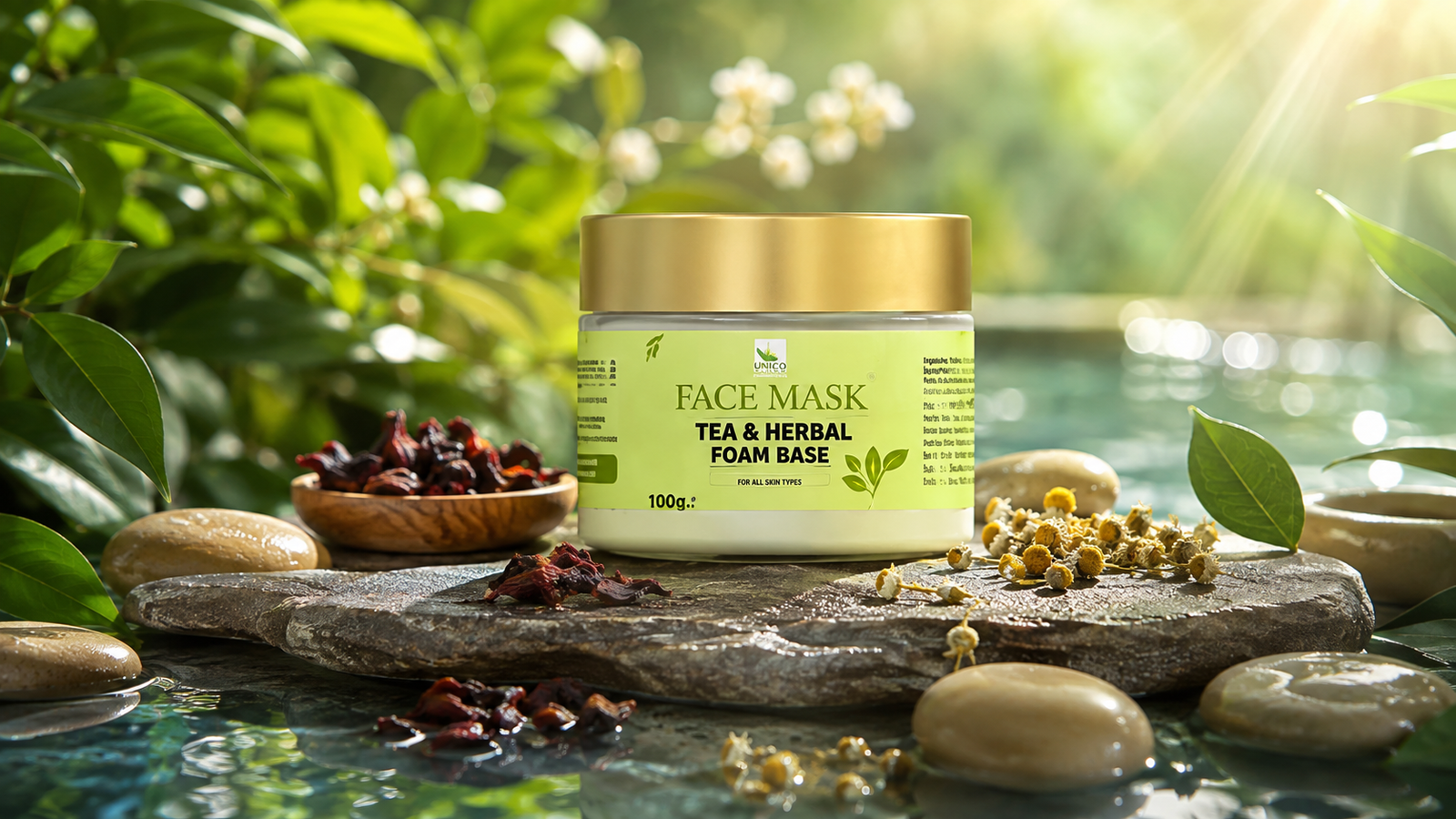
Whether you use a clay mask, cream mask, gel mask or sheet mask, understanding the correct application method is important. Different formulas have different purposes, ingredients and directions. What works for one person may not work for another, so it is important to consider your skin's needs before introducing a new product.
Why Does Correct Face Mask Use Matter?
Face masks are available in different formulations designed for different skincare preferences. Some clay masks are intended to absorb excess surface oil, while cream and gel masks may be formulated to provide a moisturising feel. Sheet masks are commonly used as an additional skincare step, depending on their ingredients and directions.
However, even a product that suits your skin can become uncomfortable if you use it incorrectly. Leaving a mask on longer than directed, applying it too often or combining it with multiple exfoliating products may contribute to dryness and irritation.
Using a face mask correctly also helps you understand how your skin responds. Introducing one new product at a time makes it easier to identify whether a particular formula is comfortable for you. A simple routine is often easier to maintain than one containing too many overlapping treatments.
Remember that a cosmetic face mask is not a replacement for a balanced skincare routine. It should not be expected to permanently remove acne, pigmentation or other persistent skin concerns. Results vary according to the formula, individual skin characteristics and how the product is used.
1. Choosing a Face Mask Without Considering Your Skin Type
One of the most common face mask mistakes is choosing a product simply because it is popular or has attractive packaging. Every person's skin is different. Some people experience dryness, others have excess surface oil, and some experience both conditions in different areas of the face.
Using a formula that does not suit your needs may leave your skin feeling uncomfortable. For example, a mask designed to absorb excess oil may feel too drying if your skin is already dry or sensitive.
How to avoid this mistake
- For dry skin: Consider products designed for hydration and a comfortable skin feel. Avoid repeatedly using masks that leave your face feeling tight.
- For oily skin: Choose a formula intended for your skincare needs, and avoid trying to remove every trace of natural oil.
- For combination skin: Consider the differences between your forehead, nose, cheeks and chin rather than assuming your whole face has the same needs.
- For sensitive skin: Introduce products cautiously, check the ingredient list and patch test according to the directions.
Skin type is only a starting point. Weather, age, existing skincare products and individual sensitivities can also affect how a formula feels. If you have a diagnosed skin condition or use prescription treatments, ask a dermatologist before introducing a new treatment mask.
2. Skipping the Patch Test
Another frequent mistake is applying a new face mask directly to the entire face without checking how your skin responds. Ingredients that are suitable for many users can still cause irritation or allergic reactions in some people. Fragrance, preservatives and botanical ingredients may be potential triggers for sensitive individuals.
A patch test can help you identify possible problems before using a product over a larger area. It cannot guarantee that a reaction will never occur, but it is a sensible precaution when introducing a new skincare product.
How to avoid this mistake
Follow the patch-testing instructions supplied by the manufacturer. Test the product on a small, discreet area of skin and observe it for the recommended period. Do not apply it to broken, inflamed or already irritated skin.
If you notice persistent redness, itching, swelling, burning or a rash, stop using the product. Seek medical advice if the symptoms are severe or continue. Significant swelling or breathing difficulties require urgent medical attention.
3. Leaving the Face Mask on for Too Long
Some people assume that leaving a face mask on for an extra ten or fifteen minutes will produce better results. This is not necessarily true. Each formula is designed to be used according to its own instructions, and extending the application time may increase the chance of discomfort.
A rinse-off mask that dries completely may leave some skin feeling tight. Other formulas may have specific removal times to help ensure they are used as intended.
How to avoid this mistake
- Read the label before applying the product.
- Use a timer to keep track of the recommended application time.
- Remove rinse-off masks as directed instead of waiting until they become uncomfortable.
- Do not sleep in a rinse-off mask unless the product is specifically designed for overnight use.
- If burning or significant discomfort develops, remove the product promptly according to its instructions.
There is no universal application time for every face mask. A sheet mask, clay mask and moisturising mask may all have different directions. Always follow the instructions for the product you are using.
4. Using a Face Mask Too Frequently
Using a face mask more often does not automatically make your skincare routine more effective. Some masks are designed for occasional use, while others may have different recommended schedules. Frequent use of certain oil-absorbing or exfoliating formulas may contribute to dryness and irritation.
Daily application should not be assumed to be appropriate for every product. Your skin's response, the ingredients and the manufacturer's directions all matter.
How to avoid this mistake
Begin with the frequency recommended on the label. If the instructions provide a range, start conservatively and observe how your skin responds. Avoid increasing the frequency simply because you want faster results.
Signs that your routine may be too harsh include unusual tightness, persistent redness, flaking, itching or a burning sensation. If these occur, pause the mask and simplify your skincare routine.
A moisturising mask and an exfoliating mask should not be treated as interchangeable products. Check the instructions for the exact formula rather than following a schedule found online for a different product.
5. Applying a Face Mask to Unclean Skin
Applying a mask over makeup, sunscreen, sweat or accumulated dirt may interfere with even application. At the same time, aggressive cleansing immediately before using a mask can leave the skin feeling uncomfortable.
The goal is to prepare the skin gently, not to scrub it until it feels completely stripped of natural oils.
How to avoid this mistake
Remove makeup and sunscreen, then cleanse using a suitable cleanser and lukewarm water. Pat your face dry unless the product specifically instructs you to apply it to damp skin.
Avoid rough washcloths, harsh scrubs and very hot water immediately before applying a face mask. These steps can add unnecessary friction to your routine.
Check the product instructions because different formulations may have different preparation requirements. Some sheet masks and hydrating products may be designed for slightly damp skin, while others specify clean, dry skin.
6. Applying Too Much Product or Rubbing Too Hard
Applying a thick layer of a face mask does not necessarily improve its performance. Using more than the recommended amount may make the product harder to remove and can lead to unnecessary product waste.
Rubbing too vigorously during application or removal can also cause friction. This may be particularly uncomfortable if your skin is already dry or sensitive.
How to avoid this mistake
Use the quantity specified on the package and spread the mask gently. Avoid the eyes, lips, nostrils and any areas excluded by the product instructions.
When removing a rinse-off mask, use lukewarm water and gentle movements. Do not scrape dried product off your face or use a rough towel to speed up removal.
For sheet masks, position the sheet carefully and smooth it without pulling the skin. Disposable sheet masks should generally be used once, following the packaging instructions.
7. Combining Too Many Active Skincare Products
Layering multiple strong skincare products can make a routine unnecessarily complicated. For example, using a mask containing exfoliating acids alongside another exfoliant or a potentially irritating treatment may be too much for some people.
The possibility of irritation depends on the ingredients, their concentrations, how frequently they are used and your individual skin tolerance. Combining products simply because each one is popular is not always a good approach.
How to avoid this mistake
- Keep the rest of your routine simple when introducing a new mask.
- Avoid unnecessary combinations of exfoliating products.
- Introduce new skincare products one at a time.
- Read the complete ingredient list and directions.
- Ask a dermatologist about combining masks with prescription skincare treatments.
Do not assume that words such as “natural,” “gentle” or “deep cleansing” guarantee that a formula will suit everyone. If burning or persistent irritation develops, stop using the product rather than treating discomfort as a sign that it is working.
8. Ignoring Product Instructions and the Eye Area
Not every face mask is intended for use on every part of the face. The skin around the eyes is delicate, and certain products may cause irritation if they spread into the eyes. Some formulas must also be kept away from the lips, nostrils or broken skin.
How to avoid this mistake
Read the product directions, warnings and removal instructions before application. Keep the mask away from areas excluded by the manufacturer.
If a product enters your eyes, rinse thoroughly with clean water and follow the product's first-aid guidance. Seek medical advice if pain, redness or vision changes continue.
Storage and expiry information are equally important. Do not use a product that is past its expiry date or has developed a noticeable change in smell, colour or texture. Avoid sharing jars or dipping unclean fingers into a product; use a clean applicator when appropriate.
9. Skipping Moisturiser and Sun Protection
Some people finish using a face mask and skip the remaining steps of their skincare routine. Depending on the formula, applying a suitable moisturiser after removing the mask may help maintain a comfortable skin feel.
Sun protection is also an important part of daytime skincare. Some exfoliating ingredients can increase sensitivity to sunlight, so it is sensible to follow product warnings and maintain appropriate sun protection.
How to avoid this mistake
After removing the mask as directed, gently pat your face dry. Apply a moisturiser that suits your skin if needed. During the day, use a broad-spectrum sunscreen with SPF 30 or higher, following the label's directions and reapplying as advised.
A face mask is an additional skincare step, not a substitute for cleansing, moisturising or sunscreen. Keeping the basic steps consistent can make your routine easier to manage.
10. Expecting Instant or Permanent Results
Marketing images and dramatic product claims can create unrealistic expectations. A face mask may temporarily make skin feel softer or more hydrated, but results vary according to the formulation, individual skin characteristics and the rest of the skincare routine.
One application should not be expected to resolve persistent acne, pigmentation or other complex skin concerns. Using a product repeatedly or leaving it on longer because you do not see immediate results may increase the chance of irritation.
How to avoid this mistake
Set realistic goals for your face mask. Consider whether it makes your skin feel comfortable and whether it fits your routine. Follow the product's recommended schedule and avoid relying on guaranteed or permanent-result claims.
If a skin concern is persistent, painful, worsening or difficult to manage, consult a dermatologist. Professional advice can help you understand the cause of the concern and identify appropriate options.
Face Mask Mistakes and Better Alternatives
| Common mistake | Why it matters | Better approach |
|---|---|---|
| Choosing a mask without checking skin needs | The formula may not suit your routine. | Choose according to your skin and the product label. |
| Skipping a patch test | A reaction may affect a larger area. | Patch test as directed. |
| Leaving a mask on too long | May contribute to dryness or irritation. | Follow the stated application time. |
| Using it too frequently | Repeated treatments may be too harsh. | Follow the recommended frequency. |
| Scrubbing the face | Friction can cause discomfort. | Cleanse and remove the mask gently. |
| Layering multiple active products | May increase irritation risk. | Keep the routine simple. |
| Ignoring the eye area | Some products can irritate delicate areas. | Follow the manufacturer's warnings. |
| Skipping moisturiser or sunscreen | Aftercare and sun protection may be inadequate. | Complete your routine appropriately. |
| Expecting guaranteed results | May encourage overuse. | Keep expectations realistic. |
How to Choose a Face Mask for Your Skin
Choosing the right face mask starts with understanding your skincare goals. Consider whether you want a product intended for hydration, a cleansing step or another cosmetic purpose. Read the complete ingredient list, directions, warnings and expiry information before making a choice.
Face Mask for Dry Skin
If your skin often feels dry or tight, consider a formula intended to provide a moisturising and comfortable skin feel. Follow the recommended application time and use a suitable moisturiser afterwards if needed. Avoid repeatedly using products that leave your face feeling stripped.
If dryness persists or comes with inflammation, cracking or discomfort, seek professional advice rather than relying only on cosmetic masks.
Face Mask for Oily Skin
If you experience excess surface oil, consider a mask formulated for your needs. Some products are designed to absorb oil, but removing every trace of natural oil is not the goal of a balanced routine.
Pay attention to how your skin feels after application. If your face becomes tight, flaky or irritated, reduce use or stop using the product and reassess your routine.
Face Mask for Sensitive Skin
For sensitive skin, introduce products cautiously and check the ingredient list. Fragrance-free products may be a useful consideration for some people, but no ingredient label guarantees that a formula will suit everyone.
Patch test according to the instructions and avoid applying a mask to skin that is already irritated. Stop use if a reaction develops.
Face Mask for a General Skincare Routine
Choose a product you can use correctly and comfortably. A simple routine that includes gentle cleansing, suitable moisturising and daytime sun protection is easier to maintain than a routine with many overlapping treatments.
Do not choose a mask solely because of a trending ingredient or social media recommendation. Consider the complete formulation, instructions and your individual needs.
How to Use a Face Mask Correctly: Step-by-Step Routine
Following a consistent process can help you avoid many common face mask mistakes. The exact steps depend on the product, so the manufacturer's instructions should always take priority.
Step 1: Read the Product Label
Check the intended use, application time, recommended frequency, warnings and removal instructions. Confirm that the product is suitable for the areas where you intend to apply it.
Step 2: Cleanse Your Face Gently
Remove makeup and sunscreen and wash your face using a suitable cleanser. Avoid rough scrubbing or very hot water. Pat your skin dry unless the instructions specify damp skin.
Step 3: Patch Test a New Product
Follow the manufacturer's patch-testing guidance before applying a new mask to your whole face. Do not apply it to broken or irritated skin.
Step 4: Apply the Recommended Amount
Spread the mask gently and evenly, avoiding the eyes, lips and other restricted areas. Do not assume that applying a thicker layer will improve the results.
Step 5: Follow the Recommended Timing
Use a timer if needed. Remove rinse-off masks at the recommended time and do not extend application just because the product has not dried completely.
Step 6: Remove the Mask Gently
Follow the product's removal directions. Use gentle movements and avoid scraping, rubbing or pulling the skin.
Step 7: Complete Your Skincare Routine
Apply a suitable moisturiser if needed. During the day, finish with broad-spectrum sunscreen and follow its application and reapplication instructions.
Step 8: Observe Your Skin's Response
Pay attention to persistent redness, burning, itching, unusual tightness or flaking. Stop using the product if a reaction develops, and seek medical advice if symptoms are severe or continue.
What to Do If a Face Mask Irritates Your Skin
If your skin starts burning or stinging while the mask is on, do not try to tolerate the sensation for the sake of better results. Remove the product promptly according to the label, rinsing gently with clean, lukewarm water when appropriate.
Avoid immediately applying other exfoliants, scrubs, fragranced products or potentially irritating treatments. Keep your routine simple and use only products you already know you tolerate.
If symptoms are severe, persistent, spreading or accompanied by blistering, seek medical advice. Significant facial or eye swelling, breathing difficulty or signs of a serious allergic reaction require urgent medical attention. Do not reapply the product to test whether the reaction occurs again.
How Cosmetic Brands Can Help Customers Avoid Face Mask Mistakes
Clear product information is important for cosmetic brands because customers need to understand how to use a product safely and correctly. Packaging and product pages should provide practical instructions rather than relying only on promotional descriptions.
Useful product information includes the intended use, application method, recommended amount, timing, removal process, frequency, storage conditions and relevant warnings. Instructions should match the actual formulation and should not be copied from an unrelated product.
1. Provide Clear Application Instructions
Customers should be able to understand how to apply the product, where to avoid application and when to remove it. Clear directions help reduce confusion and support a better customer experience.
2. Communicate Product Information Responsibly
Claims about skin benefits should be appropriate to the formulation and supported by suitable evidence. Avoid unsupported promises such as guaranteed results, permanent changes or universal suitability for all skin types.
3. Consider the Complete Product Experience
Brands evaluating a face mask should consider the intended audience, formula brief, packaging compatibility, sensory experience, label requirements and common customer questions. The product should be developed and presented with its intended use in mind.
4. Make Customer Support Information Easy to Find
Accessible instructions, contact details and product information help customers know where to turn if they have questions. Clear communication is a valuable part of a responsible cosmetics brand experience.
Unico Pharmaceuticals provides information about its business and cosmetic product categories on its website. Brands interested in cosmetic manufacturing can review the relevant company pages and contact the team to discuss their requirements. Specific manufacturing capabilities, formulation options, order quantities, packaging and timelines should be confirmed directly.
Face Mask Checklist Before Every Application
- I have checked the product directions and expiry information.
- I have selected a formula that suits my skincare needs.
- I have patch tested a new product as directed.
- My skin is gently cleansed and is not already irritated.
- I know how long to leave the mask on.
- I know how to remove the product correctly.
- I am not combining unnecessary harsh treatments.
- I have suitable moisturiser and daytime sun protection if needed.
- I will stop using the product if a reaction develops.
Useful Unico Pharma Pages
If you are exploring Unico Pharma's website, the following pages may help you learn more about the company, its cosmetic categories and how to make an enquiry.
Review each destination before publishing to confirm that it is live and relevant. Link text should accurately describe the page it opens.
Frequently Asked Questions
1. What are the most common face mask mistakes?
Common mistakes include choosing an unsuitable mask, skipping a patch test, leaving the product on too long, using it too frequently, rubbing the skin harshly and combining too many active products. Following the label and paying attention to your skin can help reduce avoidable irritation.
2. How long should I leave a face mask on?
Follow the application time printed on the product label. Different formulas have different directions, so there is no single timing rule for every face mask. Do not leave a rinse-off mask on longer in the hope of getting better results.
3. Can I use a face mask every day?
Not every face mask is designed for daily use. Check the recommended frequency and consider your skin's response. Frequent use of some exfoliating or oil-absorbing masks may cause dryness or irritation.
4. Should I wash my face before applying a face mask?
Many face masks are intended for clean skin, so gently remove makeup and sunscreen and cleanse first. Follow the product directions because some formulas are designed for damp skin while others specify dry skin.
5. Should I moisturise after using a face mask?
A suitable moisturiser can help maintain a comfortable skin feel after many rinse-off masks. Follow your product's directions and choose a moisturiser that suits your skin. During the day, include broad-spectrum sunscreen in your routine.
6. What should I do if a face mask burns or stings?
Remove the product promptly according to the label and rinse gently with clean, lukewarm water when appropriate. Stop using it and avoid additional potentially irritating products. Seek medical advice if symptoms are severe or persistent. Significant swelling or breathing difficulty requires urgent medical care.
7. Can I use a face mask after exfoliating?
It depends on the products and your skin. Combining exfoliating acids or other potentially irritating treatments may cause discomfort for some people. Avoid layering them unless the product directions or a qualified professional indicate that the combination is suitable.
8. How do I choose a face mask for dry skin?
Consider a formula intended for hydration and a comfortable skin feel. Read the ingredient list, follow the instructions and use a suitable moisturiser if needed. Avoid products that repeatedly leave your skin tight or flaky.
9. Are natural face masks always safe for sensitive skin?
No. Natural ingredients can also cause irritation or allergic reactions. Check the full ingredient list, patch test as directed and stop using the product if a reaction develops. Natural does not automatically mean suitable for every person.
10. Can a face mask permanently remove acne or pigmentation?
A cosmetic face mask should not be assumed to permanently remove acne or pigmentation. Results vary by product and individual. Persistent, painful or worsening skin concerns may require advice from a dermatologist.
11. Can I reuse a sheet face mask?
Disposable sheet masks are generally intended for one use. Follow the package directions and do not store and reuse a used sheet, as this can affect hygiene and product quality.
12. Where can a cosmetic brand enquire about face mask manufacturing?
Brands can explore Unico Pharma's About Us, Cosmetics and Certificates pages. Use the Contact Us page to discuss specific requirements and confirm available formulation, packaging, order quantity and production options.
Looking for More Skincare and Cosmetic Product Information?
Explore Unico Pharma's cosmetic range or contact the team to discuss your product enquiry and requirements.
Contact Unico Pharma →Disclaimer: This article provides general skincare information and is not a substitute for medical advice. Follow the label for your specific product. Individual responses vary, and cosmetic products should not be represented as treatments for medical conditions unless appropriately authorised and supported.