
How to Reduce Skin Irritation After Shaving: A Complete Guide
Learn how to reduce skin irritation after shaving with practical skincare tips, a better shaving routine, suitable after-shave products and simple ways to help prevent razor burn, redness, itching and ingrown hairs.
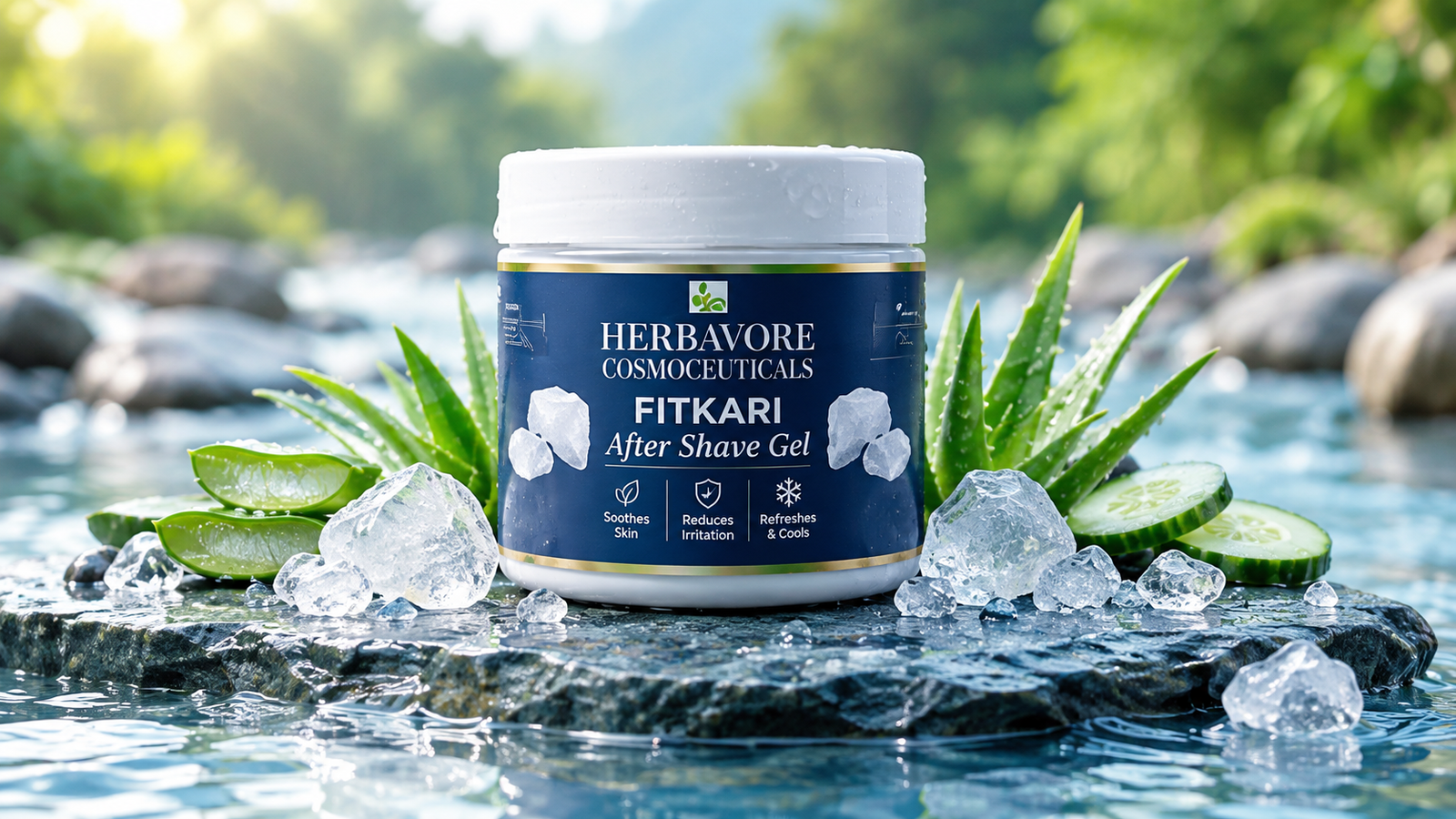
Shaving is a regular grooming habit for many men, but it does not always leave the skin feeling comfortable. Redness, burning, dryness, itching and small bumps can appear after a shave. These problems may be temporary, but they can become frustrating when they occur regularly, particularly around the cheeks, chin, jawline and neck.
Post-shaving irritation can have several causes. A dull razor, insufficient lubrication, excessive pressure, repeated strokes and unsuitable skincare ingredients can all contribute to discomfort. People with sensitive skin or coarse, curly hair may also find that some shaving methods make irritation more noticeable.
The good news is that you can often improve your grooming routine with a few practical changes. Proper preparation, gentle shaving techniques, suitable after-shave care and clean grooming tools can help reduce unnecessary friction and support skin comfort.
In this guide, we explain the common causes of shaving irritation, how to calm uncomfortable skin, how to choose an appropriate after-shave product and what you can do to help prevent the problem from returning. We also discuss fitkari after-shave gel, product selection and frequently asked questions about post-shaving skincare.
1. What Causes Skin Irritation After Shaving?
Understanding why your skin becomes irritated is the first step towards improving your shaving experience. Several factors can affect the skin during and after shaving. Sometimes one factor is responsible, while in other cases, a combination of poor technique and unsuitable products can contribute to the problem.
1.1 Dry Shaving and Insufficient Lubrication
Dry shaving with a manual razor can increase friction between the blade and the skin. Without sufficient moisture and lubrication, the blade may drag across the surface instead of gliding smoothly. This can leave the area feeling tight, rough, red or uncomfortable.
Hair that has not been softened may also be harder to cut. For a more comfortable shave, wet the area with comfortably warm water and use a shaving gel or cream designed to provide lubrication. Follow the product instructions and avoid rushing through the process.
1.2 Using a Dull or Damaged Razor
A worn blade may pull at the hair rather than cut it cleanly. This can encourage you to press harder or make multiple passes over the same patch of skin. Both habits can increase friction and the likelihood of small cuts or irritation.
Inspect your razor before use and replace blades when they become dull, damaged or difficult to rinse clean. The replacement interval depends on the razor, frequency of use, hair thickness and the manufacturer's recommendations. There is no single replacement schedule that suits everyone.
After shaving, rinse the razor thoroughly and let it dry in a clean place. Do not share razors, and avoid using tools that appear rusty, damaged or visibly dirty.
1.3 Shaving Against the Direction of Hair Growth
Shaving against the grain may provide a closer result, but it can also increase irritation for some people. Cutting hair very close to the skin can make it easier for the growing hair to curve back towards the skin, contributing to ingrown hairs and razor bumps.
Begin by shaving in the direction of hair growth. Facial hair does not always grow in one uniform direction, particularly around the neck and jawline. Observe how your hair grows in each area and adjust your strokes accordingly.
1.4 Applying Too Much Pressure
Pressing the razor firmly against your face does not necessarily produce a better shave. Excessive pressure increases contact with the skin and may cause nicks, discomfort and redness. Repeatedly stretching the skin can also make very close shaving more likely to irritate sensitive areas.
Use short, controlled strokes and let a suitable razor do the cutting. If the blade is pulling or skipping, check whether it needs cleaning or replacement rather than pressing harder.
1.5 Skincare Products That Do Not Suit Your Skin
Shaving creams, after-shave gels, lotions and fragrances contain different combinations of ingredients. Fragrance, alcohol and certain botanical extracts can cause stinging or irritation in some people. A product that feels comfortable for one person may not suit another.
If your skin repeatedly becomes uncomfortable after applying a particular product, stop using it. Check the ingredient list and consider a simpler alternative that your skin tolerates. Introducing several new products simultaneously can make it difficult to identify the source of a reaction.
1.6 Ingrown Hairs and Razor Bumps
An ingrown hair develops when a hair grows back towards the skin or becomes trapped beneath its surface. It can produce a raised bump that may be itchy, tender or inflamed. Curly and coarse hair can be more prone to this problem, especially after a very close shave.
Razor bumps can resemble ordinary pimples, but their causes are not always the same. Avoid squeezing, scratching or digging into a bump to remove the hair. These actions can worsen inflammation and introduce infection. If the bumps are persistent or painful, seek advice from a dermatologist.
1.7 Shaving Too Frequently
Shaving every day may not allow irritated skin enough time to recover. If you notice that redness or burning becomes worse with each shave, consider reducing the frequency until your skin settles.
Your ideal shaving schedule depends on hair growth, personal preference and skin sensitivity. Some people may benefit from using an electric trimmer or maintaining slightly longer stubble instead of aiming for a completely smooth finish.
2. Common Signs and Symptoms of Shaving Irritation
Recognising the type of discomfort you are experiencing can help you choose a suitable next step. Mild redness immediately after shaving is not necessarily a sign of a serious problem, but persistent or worsening symptoms should not be ignored.
- Redness: The shaved area may appear pink or red because of friction or inflammation.
- Burning or stinging: The skin may feel uncomfortable when water, shaving residue or skincare products touch it.
- Itching: Dryness or irritation may create an urge to scratch the affected area.
- Skin tightness: The face may feel stretched, particularly after washing with a harsh cleanser.
- Dryness and flaking: The skin may feel rough or develop visible flakes.
- Small raised bumps: These may result from irritation, ingrown hairs or another skin condition.
- Minor cuts: The blade may cause small nicks if it catches the skin.
- Tenderness: An affected patch may feel sensitive when touched.
The location and duration of symptoms can provide useful clues, but they cannot confirm the cause on their own. For example, bumps may result from ingrown hairs, acne, contact dermatitis or an infection. Avoid assuming that every post-shaving skin problem is ordinary razor burn.
If your skin becomes irritated after using a new gel, lotion or shaving cream, stop applying the suspected product and keep your routine simple. Seek professional advice if symptoms are severe, persistent, recurrent or accompanied by signs of infection.
3. How to Calm Irritated Skin After Shaving
When irritation develops, the immediate priority is to reduce further friction. Avoid trying multiple home remedies or layering several skincare products on the affected area. A gentle approach is generally a better starting point.
Step 1: Stop Shaving the Affected Area
Give the skin time to settle before using a razor again. Continuing to shave over an irritated patch can create additional friction and prolong discomfort. If the skin is visibly inflamed or has open cuts, avoid applying ordinary cosmetic products unless their labels specifically permit that use.
Step 2: Rinse with Cool or Lukewarm Water
Gently rinse away any remaining shaving cream, hair or product residue. Avoid hot water because it may aggravate dryness and make sensitive skin feel more uncomfortable. Do not scrub the area with a rough towel or exfoliating cloth.
Step 3: Apply a Cool Compress
Place a clean cloth dampened with cool water over the irritated area for a few minutes. A cool compress may help the skin feel more comfortable. Do not place ice directly against your skin, as extreme cold can cause damage.
Step 4: Apply a Suitable Moisturiser
If the skin is intact and tolerates the product, apply a gentle moisturiser to help reduce dryness and tightness. Fragrance-free formulations may be worth considering for people who frequently experience sensitivity. However, individual ingredients can still cause reactions, so pay attention to how your skin responds.
Step 5: Avoid Harsh Products
Temporarily avoid products that sting or may increase irritation, including strong fragrances, harsh exfoliants and aggressive scrubs. Do not apply alcohol-based products simply to achieve a refreshing sensation. If a product causes persistent burning, wash it off and stop using it.
Step 6: Keep the Area Clean
Wash gently and avoid touching the affected area unnecessarily. Do not pick bumps or attempt to remove ingrown hairs with sharp objects. Keep grooming tools clean and avoid sharing them with other people.
Step 7: Monitor Your Symptoms
Mild irritation may improve after you stop shaving and remove the likely trigger. However, worsening pain, spreading redness, pus, significant swelling or fever may indicate an infection or another condition requiring medical attention. Do not delay getting help if these signs appear.
4. The Correct Shaving Routine: Step by Step
A consistent shaving routine can help reduce unnecessary friction and make it easier to identify the habits that affect your skin. The following steps provide a practical starting point for everyday facial grooming.
Step 1: Prepare Your Skin with Warm Water
Shave after a warm shower or wet the area with comfortably warm water. Moisture helps soften facial hair and can make it easier to cut. Very hot water is unnecessary and may make dry or sensitive skin feel worse.
If you have limited time, spend a few moments wetting the beard area thoroughly before applying your shaving product. Do not begin shaving while the hair and skin are completely dry when using a manual wet-shaving razor.
Step 2: Cleanse Gently
Use a mild cleanser to remove dirt, sweat and excess oil. Rinse thoroughly before applying shaving gel or cream. Aggressive cleansing or vigorous exfoliation immediately before shaving can increase discomfort, particularly if your skin is already sensitive.
Step 3: Apply a Suitable Shaving Gel or Cream
Spread an even layer of a product designed for shaving over the area. The purpose is to provide lubrication and help the blade move more smoothly. Follow the instructions on the product packaging and avoid using a formula that has previously caused irritation.
Do not assume that a larger quantity automatically produces a better result. Use enough product to cover the area adequately and reapply it if necessary before another pass.
Step 4: Inspect Your Razor
Check the blade for visible damage, residue or signs of wear. A dull blade may pull at hair and encourage repeated strokes. Rinse the razor frequently while shaving so that hair and product residue do not build up between the blades.
Replace disposable razors or cartridges according to the manufacturer's instructions and your actual usage. Keep the razor clean, dry it appropriately and store it in a clean place.
Step 5: Shave in the Direction of Hair Growth
Use short strokes and follow the direction in which the hair grows. On the face, the direction may vary from the cheeks to the chin and neck. Observe these differences instead of assuming that all facial hair grows downward.
Avoid repeatedly shaving the same patch. If the first pass leaves some hair behind, check whether another gentle pass is appropriate for your skin. Repeatedly chasing a perfectly smooth finish can increase irritation.
Step 6: Use Light Pressure
Hold the razor comfortably and allow the blade to do the work. Avoid pressing it firmly into the skin or stretching the area excessively. If you regularly experience bumps after close shaving, a less-close shave may be a better option.
Step 7: Rinse Thoroughly
After shaving, rinse your skin with cool or lukewarm water to remove any remaining product and loose hair. Use your hands gently and avoid rubbing the face aggressively. Pat the area dry with a clean, soft towel.
Step 8: Apply Suitable After-Shave Care
Choose an after-shave gel, balm or moisturiser according to your skin's needs. Review the ingredient list and follow the product's directions. If your skin is prone to dryness, consider whether a moisturising product leaves it feeling comfortable without causing stinging or a rash.
Step 9: Clean and Store Your Razor
Rinse away hair and residue after use. Allow the razor to dry in a clean location rather than leaving it continuously wet. Do not share razors or use damaged blades. Good grooming-tool hygiene is an important part of a consistent shaving routine.
Step 10: Review What Works for Your Skin
Observe how your skin feels after each shave. If a certain technique or product repeatedly causes irritation, change one variable at a time. Keeping your routine simple makes it easier to identify potential triggers and maintain the habits that work best for you.
5. Common Shaving Mistakes to Avoid
Many people focus on choosing an after-shave product but overlook the technique used during shaving. Even a well-formulated cosmetic product may not prevent discomfort if the razor repeatedly scrapes the skin.
Dry Shaving Without a Suitable Method
Using a manual razor on dry skin can increase friction. If you prefer electric shaving, follow the device instructions and use a method appropriate for that model. For wet shaving, apply suitable lubrication before using the blade.
Pressing the Razor Too Hard
Extra pressure may increase the risk of nicks, redness and discomfort. If the razor does not cut efficiently, inspect or replace the blade rather than pressing harder.
Making Too Many Passes
Repeatedly shaving the same area increases friction. Use controlled strokes and avoid chasing every remaining hair if doing so leaves your skin irritated.
Using Harsh After-Shave Products
Strong fragrances and some alcohol-containing products can sting after shaving. If a formula repeatedly causes discomfort, stop using it and consider a gentler alternative.
Exfoliating Too Aggressively
Rough scrubs and strong exfoliating products can make freshly shaved skin more uncomfortable. Avoid aggressive exfoliation when irritation is present and seek personalised advice if you are unsure which ingredients suit your skin.
Picking or Squeezing Razor Bumps
Picking at ingrown hairs or bumps can damage the skin and increase the chance of infection. Let the area settle and seek professional advice if bumps are painful, recurring or persistent.
Ignoring Razor Hygiene
Hair and residue can collect around the blades. Rinse your razor properly after use, allow it to dry and replace worn blades. Never share personal shaving equipment.
Shaving Over Already Irritated Skin
If the skin is red, tender or visibly inflamed, shaving again may make the problem worse. Allow recovery time and reconsider your routine before resuming.
6. How to Choose the Right After-Shave Product
After-shave products come in several forms, including gels, balms, lotions and splashes. They differ in texture, fragrance, ingredients and intended use. Choosing a suitable product means considering your skin's needs rather than selecting one based only on its scent, packaging or marketing claims.
After-Shave Gel
Gels generally have a lightweight texture and may provide a refreshing feel. Depending on the formulation, a gel may spread easily and leave less of a heavy sensation than a richer product. However, gel texture alone does not guarantee that a formula is soothing or suitable for sensitive skin.
Check the full ingredient list and the directions on the label. Avoid a product that repeatedly causes burning, redness or itching, even if it is marketed for post-shave use.
After-Shave Balm
Balms often have a richer texture and may be preferred by people who experience dryness or tightness after shaving. Formulations vary, so check whether the ingredients and texture suit your skin. Apply the amount recommended by the manufacturer and avoid using the product on areas where it is not intended to be applied.
After-Shave Lotion or Splash
Traditional after-shave lotions and splashes may contain alcohol or fragrance. Some users enjoy their refreshing feel, while others find them drying or uncomfortable on freshly shaved skin. If your skin is sensitive, review the ingredients carefully and stop using any formula that causes a reaction.
Gentle Moisturiser
A basic moisturiser may be a useful option if your main concern is dryness after shaving. Consider a product with a simple ingredient list that your skin already tolerates. Fragrance-free products can be worth considering, although no ingredient category guarantees that a reaction will never occur.
What Should You Check on the Label?
- Whether the product is intended for facial or body use.
- The full ingredient list, including fragrance and other ingredients that may irritate your skin.
- Directions for use, including any restrictions on broken or irritated skin.
- Warnings about the eyes, sensitive areas and possible reactions.
- Storage instructions and the recommended period of use after opening, where provided.
- Whether the product is suitable for your personal grooming needs.
| Product Type | General Characteristics | What to Consider |
|---|---|---|
| After-shave gel | Often lightweight and easy to spread. | Review the formulation and skin compatibility. |
| After-shave balm | Often has a richer, moisturising feel. | Consider whether the texture suits your skin. |
| After-shave lotion | Texture and ingredients vary by product. | Check fragrance and alcohol if you experience sensitivity. |
| Basic moisturiser | Designed primarily to support skin hydration. | Choose a formula you tolerate and follow the label. |
| Shaving gel or cream | Provides lubrication during shaving. | Use before shaving rather than as a substitute for after-care. |
Introduce new products individually instead of changing your entire routine at once. Patch testing according to product guidance may help identify some reactions, but it cannot guarantee that a product will never cause irritation. If you have a known skin condition or recurring reactions, consult a dermatologist for personalised advice.
7. Fitkari After-Shave Gel: What Should You Know?
Fitkari, commonly known as alum, has a long history of use in traditional grooming. Fitkari-based after-shave products are available in different formats, including gels. People may consider these products as part of their personal grooming routine, but the effects and suitability of a product depend on its complete formulation and the individual's skin.
It is important not to assume that every fitkari after-shave gel prevents razor burn, eliminates irritation or works equally well for every user. Product ingredients, application instructions and individual sensitivity all matter. Read the label carefully and follow the directions provided by the manufacturer.
Check the Formulation Before Use
The ingredient list can help you understand what a product contains. Fitkari may be one component of a formula that also includes water, moisturising agents, fragrance or other cosmetic ingredients. The complete formulation, not a single ingredient name, determines the product's characteristics.
Use the Product as Directed
Apply an after-shave product only to the areas and in the manner specified on its packaging. Avoid the eyes and do not apply ordinary cosmetic gel to open cuts, broken skin or severely inflamed areas unless the product label specifically permits that use.
Pay Attention to Your Skin's Response
Stop using the product if you experience persistent burning, redness, itching, swelling or another concerning reaction. Wash the product off gently if appropriate and seek medical advice if symptoms are severe or continue.
Herbivore Cosmeceuticals Fitkari After Shave Gel
Herbivore Cosmeceuticals Fitkari After Shave Gel is an example of a product in the fitkari after-shave category. If you are considering it for your routine, review the actual product packaging, ingredients and usage instructions before applying it. Do not assume benefits or ingredient claims that are not supported by the product label.
Remember that an after-shave gel is only one part of grooming care. Proper skin preparation, suitable lubrication, gentle shaving technique, clean tools and a compatible moisturiser can also contribute to a more comfortable experience.
8. Shaving Tips for Different Skin Types
Different skin types can respond differently to shaving and skincare ingredients. The following suggestions provide general guidance, but your individual experience and any advice from a healthcare professional should take priority.
For Sensitive Skin
Keep your routine simple and avoid products that have previously caused reactions. Consider fragrance-free shaving and moisturising products, use light pressure and avoid aggressive exfoliation. Introduce new formulas one at a time and discontinue any product that repeatedly causes discomfort.
If your skin reacts to many different products or develops recurring rashes, consult a dermatologist. Repeated irritation may have a cause that cannot be addressed simply by changing after-shave gels.
For Dry Skin
Dry skin may feel particularly tight after shaving. Prepare the hair with water, use sufficient lubrication and avoid very hot water or harsh cleansers. After shaving, consider applying a moisturiser that your skin tolerates.
Avoid rubbing the skin dry with a rough towel. Patting gently can reduce unnecessary friction. If dryness persists or the skin becomes cracked or inflamed, professional advice may help identify the cause.
For Oily or Acne-Prone Skin
Use a gentle cleanser and avoid scraping over inflamed spots. Consider products labelled non-comedogenic if appropriate for your skin, but remember that individual responses vary. Keep your razor clean and avoid squeezing blemishes or shaving aggressively over raised bumps.
If acne and shaving irritation occur together, a dermatologist can help you develop a routine that addresses both concerns without unnecessarily irritating the skin.
For Coarse or Curly Hair
Curly hair may curve back towards the skin after being cut, increasing the possibility of ingrown hairs. Soften the hair before shaving, use light pressure and shave in the direction of growth. Avoid stretching the skin tightly and consider a less-close shave if bumps occur frequently.
For Normal or Combination Skin
Even skin that is usually comfortable can become irritated after an aggressive shave. Use a suitable shaving product, maintain clean tools and avoid unnecessary repeated strokes. Choose post-shave care according to how your skin feels instead of assuming that your usual routine will always be sufficient.
For Body Shaving
The skin on different parts of the body can have different needs. Use appropriate lubrication, shave gently and be particularly careful around folds or areas that are difficult to see. Avoid applying a facial product to intimate or sensitive areas unless its label specifically states that it is suitable for that use.
9. Long-Term Strategies to Help Prevent Shaving Irritation
Preventing recurring irritation requires consistency. Instead of changing products every few days, focus on the habits that reduce friction and help you understand your skin's response.
Build a Repeatable Grooming Routine
Use the same basic preparation and shaving steps each time. Soften the hair, apply a suitable shaving product, use light pressure and rinse gently. A consistent routine makes it easier to identify which step may be causing problems.
Replace Worn Blades Promptly
Do not wait until a blade becomes uncomfortable to use. Follow the manufacturer's replacement guidance and pay attention to pulling, skipping or visible damage. A clean, properly maintained razor is an important part of personal grooming.
Avoid Unnecessary Product Changes
Changing your shaving cream, cleanser, moisturiser and after-shave gel at the same time makes it difficult to identify a trigger. If you want to try a different product, introduce one new item at a time and observe how your skin responds.
Adjust Your Shaving Frequency
If daily shaving repeatedly leaves your skin irritated, allow more recovery time between shaves. You may find that trimming the hair or leaving a small amount of stubble is more comfortable than aiming for a very close shave every day.
Keep Towels and Grooming Tools Clean
Use a clean towel and keep personal grooming equipment separate from other people's belongings. Rinse razors after use, allow them to dry and avoid storing them in conditions that keep them constantly wet.
Protect Your Skin from Other Sources of Irritation
Freshly shaved skin may feel uncomfortable when exposed to friction, harsh skincare products or environmental conditions that aggravate dryness. Use gentle cleansing and appropriate moisturising care. If you shave exposed areas during the day, consider suitable sun protection once your skin can comfortably tolerate it.
Keep a Simple Record of Recurring Reactions
If irritation returns regularly, note the product you used, the shaving method, the affected area and how long symptoms lasted. This information may help you identify patterns and can be useful if you consult a healthcare professional.
- Prepare the skin before shaving rather than starting on dry hair.
- Use a suitable shaving cream or gel for wet shaving.
- Keep blade pressure light and strokes controlled.
- Shave with the direction of hair growth where possible.
- Avoid repeatedly passing over irritated patches.
- Choose post-shave products that your skin tolerates.
- Pause shaving when the skin is inflamed or damaged.
- Seek professional advice if the problem keeps returning.
10. Razor Burn vs Razor Bumps vs Ingrown Hairs
Razor burn, razor bumps and ingrown hairs are related grooming concerns, but they are not identical. Understanding the differences can help you avoid treating every skin change in the same way.
| Concern | Typical Appearance | Common Contributors | General Approach |
|---|---|---|---|
| Razor burn | Redness, burning or a tender patch after shaving. | Friction, dry shaving, pressure or irritating products. | Pause shaving, use gentle cleansing and avoid triggers. |
| Razor bumps | Small raised bumps in a shaved area. | Hair removal, inflammation or ingrown hairs. | Avoid close shaving and picking; seek advice if persistent. |
| Ingrown hairs | A hair may be trapped beneath the skin, sometimes with a bump. | Hair growing back into or under the skin after removal. | Reduce close shaving and avoid digging out the hair. |
| Contact reaction | Itchy, red or irritated skin that may extend beyond the shaved area. | A reaction to a cosmetic product or another substance. | Stop the suspected product and seek advice if symptoms continue. |
These descriptions are general and cannot confirm a diagnosis. Some skin conditions look similar, and an infected hair follicle may resemble an ordinary razor bump. If you notice pus, worsening pain, spreading redness or recurring lesions, seek professional medical assessment.
11. Preventing Irritation When Shaving Body Hair
Although facial shaving is a common concern, irritation can also occur when removing hair from the legs, chest, underarms and other body areas. The same basic principles apply: prepare the skin, use appropriate lubrication, maintain clean tools and avoid unnecessary pressure.
Shaving the Underarms
Underarm skin experiences movement, moisture and friction from clothing. Use a suitable shaving product and gentle strokes. Rinse thoroughly and avoid immediately applying a deodorant or fragranced product if your skin is already irritated by shaving.
Shaving the Legs and Arms
Use a suitable razor and shaving product, and avoid rushing over bony or uneven areas. Rinse the skin and pat it dry. If tight clothing rubs against freshly shaved skin and causes discomfort, choose softer, less restrictive clothing while the area settles.
Shaving the Chest and Other Areas
Hair thickness and skin sensitivity vary across the body. Use equipment intended for the area and follow the manufacturer's instructions. Avoid using the same blade if it has become dull or difficult to clean.
After-Shave Product Safety
Not every product designed for the face is suitable for the underarms, intimate areas or other sensitive body sites. Read the label and avoid applying products to areas that are not listed as suitable. Discontinue use if a reaction develops.
12. When Should You Seek Professional Advice?
Mild post-shaving discomfort may improve after you stop shaving the area and simplify your skincare routine. However, persistent symptoms can have causes that require professional assessment. Do not assume that a different gel or moisturiser will resolve every skin problem.
Symptoms That Need Medical Attention
- Redness or swelling that spreads rather than improves.
- Increasing pain, warmth or tenderness.
- Pus, discharge or other signs of a possible infection.
- Repeated or persistent bumps that do not settle.
- A rash that returns after using a particular product.
- Skin damage, deep cuts or bleeding that does not stop.
- Severe itching, swelling or a widespread reaction.
A healthcare professional can help distinguish ordinary razor burn from folliculitis, contact dermatitis, acne or other skin conditions. If symptoms repeatedly occur after using cosmetic products, bring the product packaging or ingredient list to your appointment where possible.
Seek urgent medical help for severe allergic symptoms, including difficulty breathing or swelling of the lips, tongue or throat. Fever accompanied by spreading redness or worsening pain also requires prompt assessment.
Avoid self-prescribing antibiotics, steroid creams or other medicated treatments without appropriate advice. Treatment depends on the cause of the symptoms, and using the wrong product may make some conditions worse.
How Unico Pharmaceuticals Supports Cosmetic Manufacturing
For businesses exploring cosmetic and personal-care product development, selecting a manufacturing partner involves more than choosing a product category. Buyers may need to consider product specifications, formulation requirements, packaging, production capacity, quality processes and commercial arrangements.
Unico Pharmaceuticals provides information about its company, certificates and business contact options through its website. Prospective business customers can review the available information and contact the team to discuss their specific manufacturing requirements.
If you are researching cosmetic manufacturing for a grooming or skincare range, prepare a clear brief before contacting a manufacturer. Include the intended product type, target customer, preferred packaging, estimated order quantity and any specific formulation or compliance requirements. This helps make the initial business discussion more focused.
The actual feasibility of a product depends on its formulation, ingredients, packaging and manufacturing requirements. Any certifications, product claims, testing arrangements, minimum order quantities and timelines should be confirmed directly with the manufacturer before making commercial commitments.
Useful Unico Pharmaceuticals Pages
- About Unico Pharmaceuticals — Learn about the company and its background.
- Certificates and Quality Information — Review the certifications and information published by Unico.
- Contact Unico Pharmaceuticals — Discuss your business or manufacturing enquiry with the team.
- Skin and Hair Care — Explore the relevant product category, subject to the current website content.
- Tan Removal Cream — Visit the related skincare product page.
Planning a Cosmetic or Personal-Care Product?
Discuss your product requirements, packaging preferences and manufacturing questions with Unico Pharmaceuticals.
Contact Unico PharmaFrequently Asked Questions
1. How can I reduce skin irritation after shaving quickly?
Stop shaving the affected area, rinse gently with cool or lukewarm water and apply a clean, cool compress for a few minutes. If the skin is intact, use a gentle moisturiser you already tolerate. Avoid scrubbing, picking bumps or applying products that sting. Seek medical advice if symptoms are severe or worsening.
2. Why does my face burn after shaving?
Burning may result from razor friction, dry shaving, a dull blade, excessive pressure, repeated strokes or a product that does not suit your skin. Stop using a product that repeatedly causes discomfort and review your shaving technique. Persistent or severe burning should be assessed by a healthcare professional.
3. Is it better to shave with or against the grain?
Shaving in the direction of hair growth generally helps reduce friction and may lower the risk of razor bumps. Shaving against the grain can produce a closer result but may increase irritation and ingrown hairs for some people, especially those with coarse or curly hair.
4. Can I use after-shave gel on sensitive skin?
Suitability depends on the complete formulation and your skin's tolerance. Review the ingredient list, follow the directions and introduce the product cautiously. Fragrance-free options may be worth considering, but any ingredient can cause a reaction in some individuals. Stop use if irritation develops.
5. Can fitkari after-shave gel prevent razor burn?
Do not assume that every fitkari after-shave gel prevents razor burn. Its suitability depends on the actual formulation, application and individual skin sensitivity. Follow the label, avoid applying cosmetic products to broken skin unless permitted and use gentle shaving techniques.
6. Can I apply after-shave gel to small cuts?
Do not apply an ordinary cosmetic after-shave gel to broken skin unless the label specifically states that it is suitable for that use. For a minor shaving nick, apply gentle pressure with clean gauze or a clean cloth until bleeding stops. Seek help for deep cuts or bleeding that continues.
7. How long does skin irritation after shaving last?
Mild irritation may settle within hours to a few days, but the duration depends on its cause and severity. Stop shaving the affected area and avoid irritating products. If symptoms persist, worsen, recur frequently or show signs of infection, consult a healthcare professional.
8. How can I prevent razor bumps and ingrown hairs?
Soften the hair before shaving, apply a suitable shaving cream or gel, use light pressure and shave in the direction of hair growth. Avoid stretching the skin or making repeated passes. Consider a less-close shave if bumps continue, and do not squeeze or dig into ingrown hairs.
9. Should I moisturise after shaving?
A gentle moisturiser may help reduce dryness and tightness after shaving. Choose a product your skin tolerates and follow its directions. Avoid applying it to broken or severely irritated skin unless the label permits it. Stop using the product if it causes a reaction.
10. Can hot water cause irritation after shaving?
Very hot water can aggravate dryness and discomfort for some people. Use comfortably warm water to prepare the hair before shaving and cool or lukewarm water for rinsing afterwards. Avoid rubbing the skin with a rough towel.
11. Is alcohol-based after-shave suitable for everyone?
No. Some alcohol-containing after-shave products may feel drying or cause stinging on freshly shaved skin. Suitability depends on the product formulation and individual tolerance. If you have sensitive skin or recurring irritation, consider a gentler alternative and review its ingredient list.
12. What should I do if razor bumps keep coming back?
Review your shaving method, avoid very close shaving, use suitable lubrication and stop picking at bumps. Recurring bumps may be caused by ingrown hairs or another skin condition. A dermatologist can help identify the cause and recommend an appropriate approach.
13. Can I shave every day if I have sensitive skin?
Some people tolerate daily shaving, while others need more recovery time. If your skin becomes red, sore or irritated after every shave, reduce the frequency until it settles. Consider trimming instead of a very close shave and consult a professional if the problem continues.
14. How do I choose an after-shave product for dry skin?
Look for a product that is intended for post-shave use and provides a comfortable moisturising feel. Review the ingredient list and consider a fragrance-free formula if fragrance has caused problems for you. Introduce one new product at a time and stop if irritation develops.
15. When should I see a dermatologist for shaving irritation?
Seek advice when symptoms are severe, persistent, recurrent or do not improve after changing your routine. Spreading redness, pus, significant swelling, worsening pain or fever may require prompt assessment. Seek urgent help for difficulty breathing or swelling of the lips, tongue or throat.
Disclaimer: This article provides general grooming and skincare information and is not a diagnosis or treatment plan. Individual results vary. Follow product labels and consult a qualified healthcare professional for severe, persistent or concerning symptoms.