
Body wash and soap are two widely used products for everyday bathing, but choosing between them can be confusing. Understanding the difference between soap and body wash helps you select a cleanser that matches your skin type, bathing routine and personal preferences. Both can remove sweat, dirt and excess oil, but their formulations, textures and overall skin feel may vary.
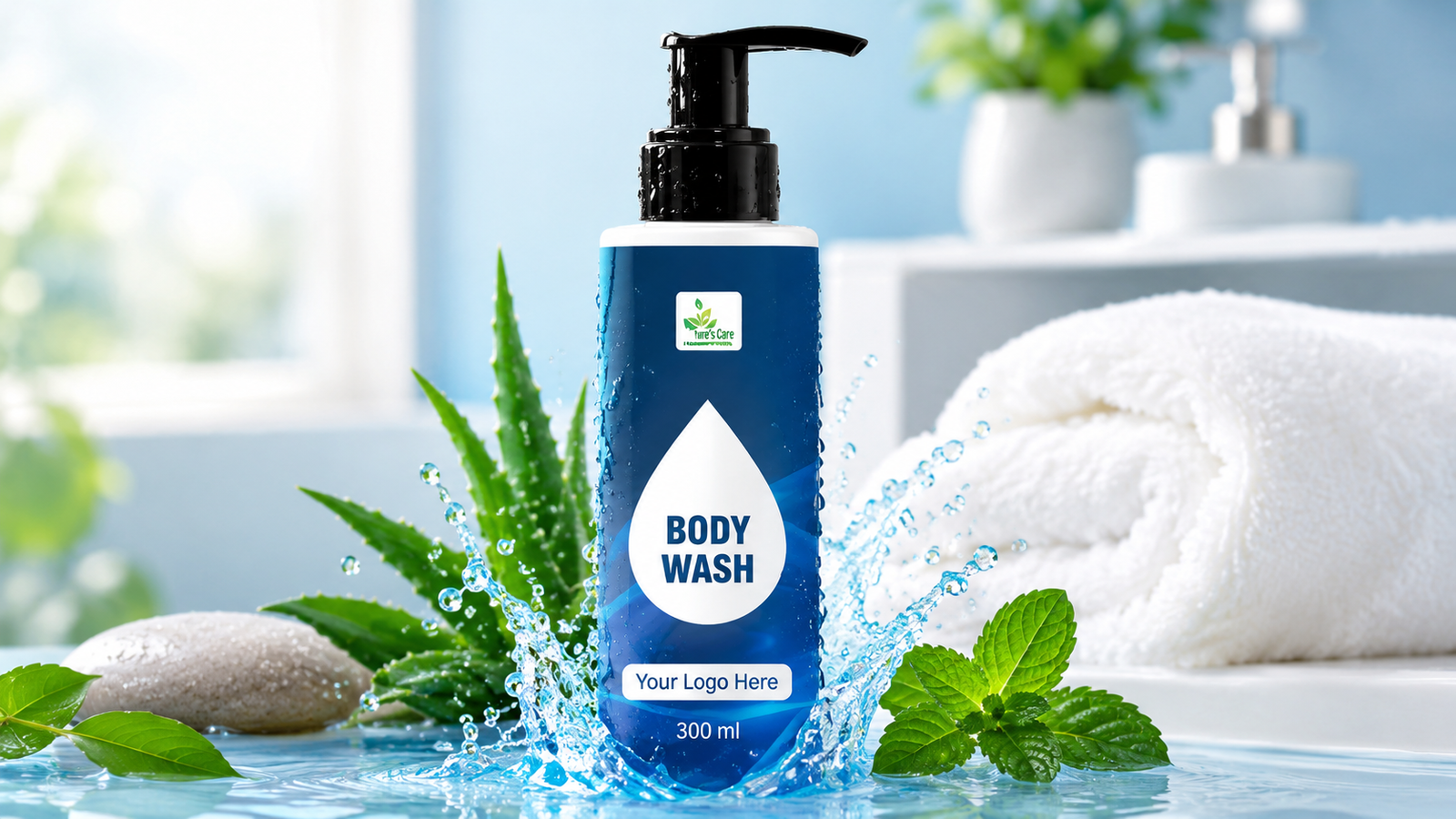
A practical comparison of body wash and soap for everyday body cleansing.
When comparing bar soap vs body wash, neither format is automatically the better choice for everyone. Some soap bars may leave the skin feeling dry, while certain body washes contain moisturizing or conditioning ingredients. However, individual formulations matter more than whether a cleanser comes in a bottle or a bar.
Whether you are looking for the best bath soap for daily use or a suitable body wash for dry skin, it is important to understand the product ingredients and how your skin responds after bathing. This guide explains the main differences, everyday benefits, cleansing methods and practical tips for choosing the right body cleanser.
Quick answer: Both body wash and soap can cleanse the skin effectively. The right choice depends on the formulation, your skin type and personal preference. If your skin tends to feel dry, consider a gentle cleanser suitable for dry skin and use a moisturizer after bathing when needed.
1. What Is Body Wash and What Is Soap?
What Is Body Wash?
Body wash is a liquid or gel cleanser designed for use on the body during a bath or shower. It typically contains cleansing agents that help lift away sweat, dirt and excess oil so they can be rinsed off with water. Depending on the formulation, it may also contain humectants, emollients, fragrance or other skin-conditioning ingredients.
Body wash is available in different textures, including lightweight gels, creamy cleansers and richer formulations. Some products are designed around a refreshing bathing experience, while others focus on moisturizing or gentle cleansing. The exact ingredients and performance depend on the product formula.
What Is Soap?
Traditional soap is generally made by combining fats or oils with an alkali through a process called saponification. The resulting soap helps loosen dirt and oil from the skin so they can be rinsed away with water. Soap is commonly available as a solid bar, although cleansing bars can also use other types of cleansing agents.
Soap bars are convenient to store and use, and they are available in many fragrances, shapes and formulations. Their cleansing and skin-feel properties can vary depending on the ingredients and manufacturing process.
2. Difference Between Soap and Body Wash
The main difference between soap and body wash is their format and formulation. Traditional soap is usually a solid bar made through saponification, whereas body wash is a liquid or gel cleanser formulated with surfactants and other ingredients. Both products are intended to clean the skin, but they may differ in texture, dispensing, packaging and the way they feel after rinsing.
1. Formulation and Ingredients
Traditional soap bars generally contain soap salts produced from oils or fats. Body washes commonly use surfactants to help remove dirt and excess oil. Some body wash formulations also include humectants and emollients to support a comfortable skin feel. Always check the ingredient list because products within the same category can differ significantly.
2. Texture and Application
Body wash has a liquid or gel texture and is usually dispensed from a bottle. Soap is a solid bar that is rubbed between wet hands or applied with a washcloth. Your preference may depend on convenience, bathing habits and how much product you like to use.
3. Packaging and Storage
Body wash is commonly packed in bottles, pumps or refill pouches. Soap bars are usually wrapped or packed in cartons. A soap bar needs a draining soap dish between uses, while a body wash bottle should be kept closed and stored according to its label instructions.
4. Skin Feel After Bathing
Some traditional soaps may leave the skin feeling tight or dry, while some body washes are formulated with moisturizing ingredients. This is not a universal rule: a gentle soap bar may suit some people, and a particular body wash may not suit others. Formula quality and individual skin response are important.
3. Body Wash vs Soap: Side-by-Side Comparison
The following table gives a general comparison of the two cleansing formats. Actual product performance depends on the specific formulation.
| Feature | Body Wash | Soap Bar |
|---|---|---|
| Format | Liquid or gel | Solid bar |
| Typical cleansing system | Surfactants | Soap salts or other cleansing agents |
| Application | Dispensed from a bottle or pump | Rubbed between wet hands or used with a washcloth |
| Packaging | Bottles, pumps or refill packs | Wraps or cartons |
| Ingredient options | May include humectants, emollients and fragrance | May include oils, fragrance and conditioning ingredients |
| Storage | Keep bottle closed and follow label directions | Keep dry between uses |
| Best suited for | People who prefer liquid cleansers and convenient dispensing | People who prefer a compact, solid cleansing format |
4. Body Wash Benefits for Daily Skin Care
Body wash is a popular choice for everyday bathing because it is easy to dispense and comes in a wide range of formulations. Depending on the product, its benefits may include:
- Convenient application: Liquid or gel formats are easy to dispense from bottles and pumps.
- Different formulation options: Products are available for refreshing, gentle or moisturizing cleansing routines.
- Skin-conditioning ingredients: Some formulas contain humectants or emollients that support a softer skin feel.
- Variety of textures: Consumers can choose from gels, creams and other cleanser textures.
- Packaging choices: Bottles, pumps and refill formats offer different usage and storage options.
When selecting a body wash, consider your skin type, ingredient preferences and the product directions. A product that works well for one person may not suit another.
5. Benefits of Using Bar Soap
Bar soap remains a common bathing product because it is simple to use and easy to store. Depending on its ingredients and formulation, a soap bar may offer the following practical benefits:
- Compact format: Soap bars are easy to store and can be convenient for travel.
- Simple application: A bar can be used directly with wet hands or a washcloth.
- Wide product variety: Soap is available in different fragrances, shapes and ingredient combinations.
- Minimal packaging options: Bars may use compact wraps or cartons, depending on the brand.
- Familiar bathing routine: Many consumers prefer the feel and use of a traditional soap bar.
For best results, keep a soap bar on a draining dish so it can dry between uses. Choose a formula that feels comfortable on your skin and follow the product label.
6. Body Wash for Dry Skin
People with dry skin may prefer a cleanser designed to provide gentle cleansing without leaving the skin feeling excessively tight. Some body washes contain ingredients such as glycerin or other humectants, as well as emollients that help support a comfortable skin feel.
What to Look for in a Body Wash for Dry Skin
- Gentle cleansing agents: Consider products designed for regular use and suitable for your skin type.
- Humectants: Ingredients such as glycerin can help attract and retain water in the outer layer of the skin.
- Emollients: These ingredients can help soften the feel of the skin.
- Suitable fragrance level: If fragrance irritates your skin, consider fragrance-free options.
- Clear product directions: Follow the recommended use and rinse instructions on the label.
Daily care tip: Use lukewarm rather than very hot water, avoid harsh scrubbing and apply a suitable moisturizer after bathing if your skin feels dry.
7. Choosing Products for Dry Sensitive Skin
Choosing a cleanser for dry sensitive skin requires attention to both the product formula and your personal triggers. A gentle body wash or a suitable cleansing bar may work, depending on the ingredients and your skin's response.
Consider these points when comparing products:
- Look for products labelled for sensitive skin, while remembering that labels do not guarantee suitability for everyone.
- Consider fragrance-free products if fragrance is a known source of irritation for you.
- Avoid rough loofahs or aggressive scrubbing if your skin is easily irritated.
- Test a new product carefully and stop using it if you notice irritation.
- Speak with a healthcare professional if dryness, itching or irritation persists.
8. Best Body Wash or Bath Soap for Daily Use
The best body wash or bath soap for daily use is one that cleanses effectively and feels comfortable on your skin. There is no single product type that is ideal for everyone. Skin type, ingredient preferences, bathing frequency and the product's formulation all matter.
For Normal Skin
People with normal skin may choose from a wide range of body washes and soap bars. Select a product that suits your preferences and does not leave your skin feeling uncomfortable.
For Dry Skin
Consider a gentle cleanser with skin-conditioning ingredients. Avoid very hot water and apply moisturizer after bathing if needed.
For Sensitive Skin
Look for a mild formulation and consider fragrance-free products if fragrance is a trigger. Review the ingredient list and discontinue use if irritation occurs.
For Active Lifestyles
If you exercise or sweat frequently, choose a cleanser that fits your bathing routine. Cleanse gently and avoid excessive scrubbing or repeated washing that leaves your skin feeling dry.
9. How to Use Body Wash and Soap Properly
How to Use Body Wash
- Wet your body with lukewarm water.
- Dispense a moderate amount of body wash into your hands or onto a clean washcloth.
- Gently spread the cleanser over your body without scrubbing aggressively.
- Rinse thoroughly with water.
- Pat your skin dry with a clean towel and apply moisturizer if needed.
How to Use Soap
- Wet the soap bar and your skin with water.
- Rub the bar between your hands to create lather, or use it gently as directed.
- Apply the lather to your body without rough scrubbing.
- Rinse thoroughly to remove soap residue.
- Place the soap on a draining dish so it can dry between uses.
10. Common Cleansing Mistakes to Avoid
Even a suitable cleanser may feel uncomfortable if it is used too aggressively or too frequently. Avoid these common mistakes:
- Using very hot water: Hot water can contribute to dryness. Lukewarm water is often more comfortable.
- Scrubbing too hard: Rough scrubbing can irritate the skin. Use gentle movements.
- Using too much cleanser: Follow the product directions and use an appropriate amount.
- Ignoring skin response: Stop using products that repeatedly cause itching, redness or discomfort.
- Not moisturizing when needed: If your skin feels dry after bathing, consider applying a suitable moisturizer.
- Storing soap incorrectly: Allow soap bars to dry between uses to help prevent them from becoming soft.
11. Private Label Body Wash Manufacturing
Body wash is an established personal-care category, and businesses may explore launching products under their own brand through private-label or contract manufacturing arrangements. A manufacturing project typically involves decisions about the product concept, formulation, fragrance, packaging, labelling and order quantity.
What Businesses Should Consider
- Product concept: Decide whether the product is intended for everyday cleansing, moisturizing, refreshing or another positioning.
- Formulation: Discuss available formula options and the ingredients suited to the product brief.
- Packaging: Select a bottle, pump, cap and pack size that match the brand's positioning.
- Branding and labelling: Prepare brand identity, label information and packaging artwork according to applicable requirements.
- Quality and documentation: Ask about quality checks, product specifications and relevant manufacturing documentation.
- Commercial details: Confirm minimum order quantity, pricing, production timelines and other terms before proceeding.
Businesses comparing manufacturing partners should review product capabilities, communication, quality processes and commercial requirements. To explore body wash manufacturing options in India, visit the UNICO body wash manufacturers in India page.
12. Final Thoughts: Body Wash vs Soap
When comparing body wash vs soap, the most suitable choice depends on your skin type, the formulation and how your skin responds after bathing. Both formats can remove everyday dirt, sweat and excess oil. Some people prefer liquid body wash for its texture and convenience, while others prefer the compact format of a soap bar.
If you have dry skin, consider a cleanser formulated for your needs, avoid very hot water and apply a suitable moisturizer after bathing when necessary. If you have sensitive skin, review ingredient information and consider fragrance-free options when appropriate. Stop using products that cause repeated irritation and seek professional advice if symptoms persist.
For businesses exploring the personal-care category, private-label manufacturing can offer a way to develop a body wash product under their own brand. Review formulation options, packaging, quality documentation, MOQ and commercial terms before choosing a manufacturing partner. To learn more about relevant options, visit the UNICO private-label body wash manufacturing page.
Planning to Launch Your Own Body Wash Brand?
Explore private-label body wash manufacturing options and discuss your product concept, packaging preferences, order requirements and project specifications with UNICO Pharmaceuticals.
Explore Private Label Body Wash →Frequently Asked Questions About Body Wash vs Soap
Find answers to common questions about body wash, bar soap, daily cleansing and choosing products for dry or sensitive skin.
1. What is the main difference between soap and body wash?
Traditional soap is generally a solid cleanser made from fatty-acid salts, while body wash is a liquid or gel cleanser that often uses surfactants. Both can clean the skin, but their ingredients, texture and skin feel may differ.
2. Is bar soap better than body wash?
Neither is automatically better for everyone. The best option depends on the product formulation, your skin type and how your skin responds. Choose a cleanser that removes everyday dirt without causing persistent dryness or irritation.
3. What is the best body wash for dry skin?
A body wash formulated for dry skin and containing suitable skin-conditioning ingredients may be a useful option. Use lukewarm water and apply a separate moisturizer after bathing if your skin needs additional hydration.
4. Can I use body wash every day?
Many people use body wash daily. The right frequency depends on your skin, activity level and product formulation. If your skin becomes dry or irritated, consider a gentler cleanser and adjust your bathing habits.
5. What is the best bath soap for daily use?
The best bath soap for daily use is one that suits your skin and cleanses effectively without causing persistent discomfort. Read the ingredients and choose a formula appropriate for your skin type.
6. What are the main benefits of body wash?
Body wash helps remove sweat, dirt and excess oil. Depending on the formula, it may also include moisturizing or conditioning ingredients and offer a convenient alternative to a solid cleansing bar.
7. Is body wash good for sensitive skin?
Some body washes are formulated for sensitive skin. Fragrance-free options may be worth considering if fragrance is a known trigger. Check the ingredient list and stop using any product that causes irritation.
8. Which is better for dry sensitive skin: soap or body wash?
There is no single answer for everyone. A gentle body wash or a suitable cleansing bar may work, depending on the formulation and your skin. Avoid hot water and rough scrubbing, and use moisturizer when needed.
9. Does body wash moisturize the skin?
Some body washes contain humectants or skin-conditioning ingredients that can support a softer skin feel. However, a rinse-off cleanser may not provide enough hydration for very dry skin, so a separate moisturizer may still be needed.
10. Can soap cause dry skin?
Some soap formulations may leave certain people feeling dry or tight, particularly with frequent washing or hot water. If this happens, consider a gentler product and use a moisturizer after bathing.
11. How should I use body wash correctly?
Wet your skin with lukewarm water, apply a moderate amount of body wash, gently cleanse the body and rinse thoroughly. Pat dry with a clean towel and moisturize if needed. Follow the product label.
12. Should I use a loofah with body wash?
A loofah is optional. You can apply body wash with clean hands or a soft washcloth. If you use a bathing accessory, clean it regularly and allow it to dry between uses. Avoid rough scrubbing if your skin is sensitive.
13. Can body wash be used on the face?
Not every body wash is suitable for facial skin. Check the product directions and consider using a facial cleanser designed for your skin's needs.
14. Can brands launch their own body wash through private-label manufacturing?
Private-label manufacturing can allow businesses to market body wash under their own brand, depending on the manufacturer's capabilities and applicable requirements. Discuss formulation, packaging, MOQ, quality documentation and commercial terms before placing an order.
15. Where can I enquire about private-label body wash manufacturing with UNICO?
Visit the UNICO private-label body wash manufacturing page or use the Contact Us page to discuss your requirements. Confirm current options, pricing, MOQ and production timelines directly with the company.
Explore Related UNICO Pharmaceuticals Pages
Visit these pages for more information about the company and its product categories.
UNICO Pharmaceuticals Private Label Body Wash Manufacturers Cosmetics Skin & Hair Care About Us Certificates Contact UsThis article provides general information about body wash, soap and daily skin care. Product suitability varies by formulation and individual skin needs. Check product labels and seek professional advice for persistent irritation or other ongoing skin concerns. Manufacturing options, documentation, pricing and timelines should be confirmed directly with the supplier.