
Common Face Mask Mistakes and How to Avoid Them
Face masks are a popular part of modern skincare routines, but using the wrong formula or applying it incorrectly can leave skin feeling dry, tight or irritated. Common face mask mistakes include choosing a product without considering your skin type, leaving it on for too long, applying it too frequently and ignoring the manufacturer's instructions. Understanding these mistakes can help you make better skincare choices and use face masks more responsibly.
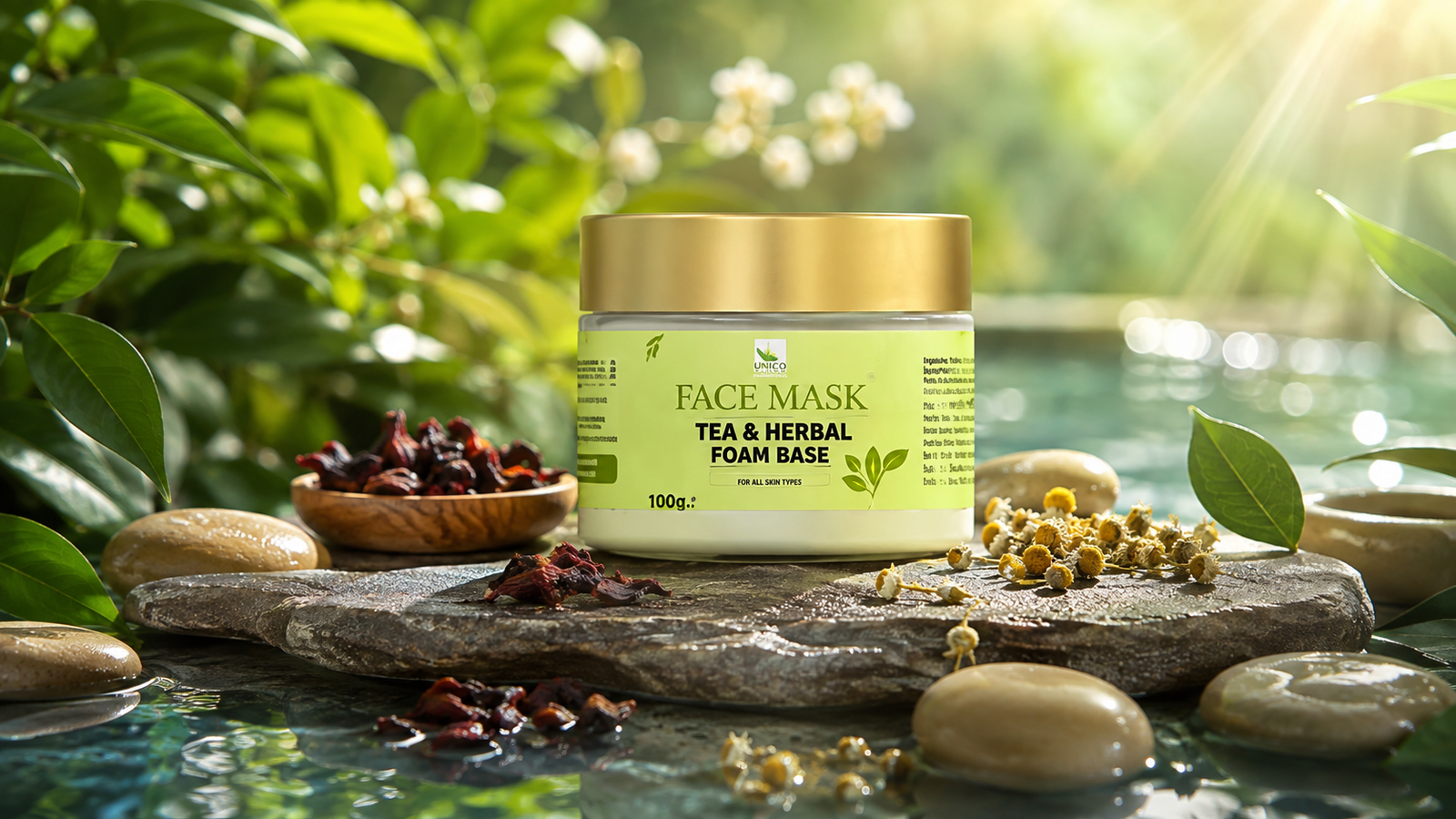
Whether you use a clay face mask, cream face mask, gel mask or sheet mask, the right application method depends on the product formulation and its intended use. Different face masks are developed for different skincare preferences, so a product that works well for one person may not be suitable for another.
This guide explains the most common face mask mistakes, how to avoid them and what to consider when selecting a face mask for your skincare routine. It also covers important product information that cosmetic brands should consider when planning a new face mask range.
Why Does Correct Face Mask Use Matter?
Face masks are available in different cosmetic formulations, each designed to offer a particular product experience. Clay masks are commonly selected for oily skin routines, while cream and gel masks may be developed with moisturising ingredients. Sheet masks are another popular option for people looking to add an additional skincare step.
However, even a well-formulated face mask may cause discomfort if it is not used according to its directions. Leaving a product on longer than recommended, using it too frequently or combining it with several strong skincare products may contribute to dryness and irritation.
Correct face mask application also helps consumers understand how their skin responds to a particular formula. Introducing one new product at a time makes it easier to identify whether the product feels comfortable and fits into an existing routine.
A face mask should be considered an additional cosmetic skincare step, not a replacement for cleansing, moisturising or sun protection. It should also not be expected to permanently resolve acne, pigmentation or other persistent skin concerns.
1. Choosing a Face Mask Without Considering Your Skin Type
One of the most common face mask mistakes is choosing a product simply because it is popular, trending or recommended by someone else. Skin characteristics differ from person to person. Some individuals experience dryness, some have excess surface oil, while others have combination or sensitive skin.
A face mask that does not match your skincare needs may leave your skin feeling uncomfortable. For example, a formula intended to absorb excess oil may feel too drying when used on skin that is already dry or sensitive.
How to avoid this mistake
- For dry skin: Consider a face mask designed to provide hydration and a comfortable skin feel. Avoid repeatedly using formulas that leave your skin feeling tight.
- For oily skin: Look for a formula intended for your skincare needs without trying to remove every trace of natural surface oil.
- For combination skin: Consider the differences between your forehead, nose, cheeks and chin when selecting a product.
- For sensitive skin: Introduce new products cautiously, check the ingredient list and patch test according to the directions.
Skin type is only one factor to consider. Weather, age, existing skincare products and individual sensitivities can also affect how a formula feels. If you have a diagnosed skin condition or use prescription treatments, consult a dermatologist before introducing a new treatment mask.
2. Skipping the Patch Test Before Using a New Face Mask
Applying a new face mask directly to the entire face without checking how your skin responds is another common mistake. Ingredients that are suitable for many consumers can still cause irritation or allergic reactions in some individuals. Fragrance, preservatives and certain botanical ingredients may be potential triggers for sensitive skin.
A patch test can help identify possible reactions before using a product over a larger area. It cannot guarantee that a reaction will never occur, but it is a sensible precaution when introducing a new skincare product.
How to avoid this mistake
Follow the patch-testing instructions supplied by the manufacturer. Test the product on a small, discreet area of skin and observe it for the recommended period. Do not apply it to broken, inflamed or already irritated skin.
If you notice persistent redness, itching, swelling, burning or a rash, stop using the product. Seek medical advice if symptoms are severe or continue. Significant swelling or breathing difficulties require urgent medical attention.
3. Leaving the Face Mask on for Too Long
Some consumers believe that leaving a face mask on for an extra ten or fifteen minutes will improve its performance. This is not necessarily true. Every formula is designed to be used according to its own directions, and extending the application time may increase the possibility of discomfort.
A rinse-off clay mask that dries completely may leave some skin feeling tight. Other formulas may have specific application times to help consumers use the product as intended.
How to avoid this mistake
- Read the face mask label before applying the product.
- Use a timer to follow the recommended application time.
- Remove rinse-off masks as directed instead of waiting until they become uncomfortable.
- Do not sleep in a rinse-off face mask unless the product is specifically designed for overnight use.
- If burning or significant discomfort develops, remove the product promptly according to its instructions.
There is no universal application time for every face mask. A sheet mask, clay mask and moisturising cream mask may all have different directions. Always follow the instructions for the exact product you are using.
4. Using a Face Mask Too Frequently
Using a face mask more often does not automatically make a skincare routine more effective. Some products are designed for occasional use, while others may have different recommended schedules. Frequent use of certain oil-absorbing or exfoliating formulas may contribute to dryness and irritation.
Daily face mask application should not be assumed to be appropriate for every product. The recommended frequency depends on the formulation, ingredients, product directions and individual skin response.
How to avoid this mistake
Begin with the frequency recommended on the product label. If the instructions provide a range, start conservatively and observe how your skin responds. Avoid increasing the frequency simply because you want faster results.
Signs that your routine may be too harsh include unusual tightness, persistent redness, flaking, itching or a burning sensation. If these occur, pause the mask and simplify your skincare routine.
A moisturising face mask and an exfoliating face mask should not be treated as interchangeable products. Check the directions for the exact formula rather than following a schedule intended for another product.
5. Applying a Face Mask to Unclean Skin
Applying a face mask over makeup, sunscreen, sweat or accumulated dirt may interfere with even application. At the same time, aggressive cleansing immediately before using a mask can leave the skin feeling uncomfortable.
The goal is to prepare your skin gently, not to scrub it until it feels completely stripped of natural oils.
How to avoid this mistake
Remove makeup and sunscreen, then cleanse using a suitable face cleanser and lukewarm water. Pat your face dry unless the product specifically instructs you to apply it to damp skin.
Avoid rough washcloths, harsh scrubs and very hot water immediately before applying a face mask. These steps can add unnecessary friction to your skincare routine.
Check the product instructions because different formulations may have different preparation requirements. Some sheet masks and hydrating products may be designed for slightly damp skin, while others specify clean, dry skin.
6. Applying Too Much Product or Rubbing Too Hard
Applying a thick layer of a face mask does not necessarily improve its performance. Using more than the recommended amount may make the product harder to remove and can lead to unnecessary product waste.
Rubbing too vigorously during application or removal can also cause friction. This may be particularly uncomfortable if your skin is already dry or sensitive.
How to avoid this mistake
Use the quantity specified on the package and spread the face mask gently. Avoid the eyes, lips, nostrils and any areas excluded by the product instructions.
When removing a rinse-off face mask, use lukewarm water and gentle movements. Do not scrape dried product off your face or use a rough towel to speed up removal.
For sheet masks, position the sheet carefully and smooth it without pulling the skin. Disposable sheet masks should generally be used once, following the packaging instructions.
7. Combining Too Many Active Skincare Products
Layering multiple strong skincare products can make a routine unnecessarily complicated. For example, using a face mask containing exfoliating acids alongside another exfoliant or a potentially irritating treatment may be too much for some people.
The possibility of irritation depends on the ingredients, their concentrations, how frequently they are used and your individual skin tolerance. Combining products simply because each one is popular is not always a good approach.
How to avoid this mistake
- Keep the rest of your skincare routine simple when introducing a new face mask.
- Avoid unnecessary combinations of exfoliating products.
- Introduce new skincare products one at a time.
- Read the complete ingredient list and product directions.
- Ask a dermatologist about combining face masks with prescription skincare treatments.
Do not assume that words such as natural, gentle or deep cleansing guarantee that a formula will suit everyone. If burning or persistent irritation develops, stop using the product rather than treating discomfort as a sign that it is working.
8. Ignoring Product Instructions and the Eye Area
Not every face mask is intended for use on every part of the face. The skin around the eyes is delicate, and certain products may cause irritation if they spread into the eyes. Some formulas must also be kept away from the lips, nostrils or broken skin.
How to avoid this mistake
Read the product directions, warnings and removal instructions before application. Keep the face mask away from areas excluded by the manufacturer.
If a product enters your eyes, rinse thoroughly with clean water and follow the product's first-aid guidance. Seek medical advice if pain, redness or vision changes continue.
Storage and expiry information are equally important. Do not use a product that is past its expiry date or has developed a noticeable change in smell, colour or texture. Avoid sharing jars or dipping unclean fingers into a product; use a clean applicator when appropriate.
9. Skipping Moisturiser and Sun Protection
Some people finish using a face mask and skip the remaining steps of their skincare routine. Depending on the formula, applying a suitable moisturiser after removing the mask may help maintain a comfortable skin feel.
Sun protection is also an important part of daytime skincare. Some exfoliating ingredients can increase sensitivity to sunlight, so it is sensible to follow product warnings and maintain appropriate sun protection.
How to avoid this mistake
After removing the face mask as directed, gently pat your face dry. Apply a moisturiser that suits your skin if needed. During the day, use a broad-spectrum sunscreen with SPF 30 or higher, following the label's directions and reapplying as advised.
A face mask is an additional skincare step, not a substitute for cleansing, moisturising or sunscreen. Keeping the basic steps consistent can make your routine easier to manage.
10. Expecting Instant or Permanent Results
Marketing images and dramatic product claims can create unrealistic expectations. A face mask may temporarily make skin feel softer or more hydrated, but results vary according to the formulation, individual skin characteristics and the rest of the skincare routine.
One application should not be expected to resolve persistent acne, pigmentation or other complex skin concerns. Using a product repeatedly or leaving it on longer because you do not see immediate results may increase the chance of irritation.
How to avoid this mistake
Set realistic goals for your face mask. Consider whether it makes your skin feel comfortable and whether it fits your routine. Follow the product's recommended schedule and avoid relying on guaranteed or permanent-result claims.
If a skin concern is persistent, painful, worsening or difficult to manage, consult a dermatologist. Professional advice can help you understand the cause of the concern and identify appropriate options.
Face Mask Mistakes and Better Alternatives
| Common mistake | Why it matters | Better approach |
|---|---|---|
| Choosing a mask without checking skin needs | The formula may not suit your routine. | Choose according to your skin and the product label. |
| Skipping a patch test | A reaction may affect a larger area. | Patch test as directed. |
| Leaving a mask on too long | May contribute to dryness or irritation. | Follow the stated application time. |
| Using it too frequently | Repeated treatments may be too harsh. | Follow the recommended frequency. |
| Scrubbing the face | Friction can cause discomfort. | Cleanse and remove the mask gently. |
| Layering multiple active products | May increase irritation risk. | Keep the routine simple. |
| Ignoring the eye area | Some products can irritate delicate areas. | Follow the manufacturer's warnings. |
| Skipping moisturiser or sunscreen | Aftercare and sun protection may be inadequate. | Complete your routine appropriately. |
| Expecting guaranteed results | May encourage overuse. | Keep expectations realistic. |
How to Choose the Right Face Mask for Your Skin
Choosing the right face mask starts with understanding your skincare goals. Consider whether you want a product intended for hydration, cleansing or another cosmetic purpose. Read the complete ingredient list, directions, warnings and expiry information before making a choice.
Face Mask for Dry Skin
If your skin often feels dry or tight, consider a formula intended to provide a moisturising and comfortable skin feel. Follow the recommended application time and use a suitable moisturiser afterwards if needed. Avoid repeatedly using masks that leave your face feeling stripped.
If dryness persists or comes with inflammation, cracking or discomfort, seek professional advice rather than relying only on cosmetic masks.
Face Mask for Oily Skin
If you experience excess surface oil, consider a face mask formulated for your needs. Some products are designed to absorb oil, but removing every trace of natural oil is not the goal of a balanced skincare routine.
Pay attention to how your skin feels after application. If your face becomes tight, flaky or irritated, reduce use or stop using the product and reassess your routine.
Face Mask for Sensitive Skin
For sensitive skin, introduce products cautiously and check the ingredient list. Fragrance-free products may be a useful consideration for some people, but no ingredient label guarantees that a formula will suit everyone.
Patch test according to the instructions and avoid applying a mask to skin that is already irritated. Stop use if a reaction develops.
Face Mask for a General Skincare Routine
Choose a product you can use correctly and comfortably. A simple routine that includes gentle cleansing, suitable moisturising and daytime sun protection is easier to maintain than a routine with many overlapping treatments.
Do not choose a mask solely because of a trending ingredient or social media recommendation. Consider the complete formulation, instructions and your individual needs.
How to Use a Face Mask Correctly: Step-by-Step Routine
Following a consistent process can help you avoid many common face mask mistakes. The exact steps depend on the product, so the manufacturer's instructions should always take priority.
Step 1: Read the Product Label
Check the intended use, application time, recommended frequency, warnings and removal instructions. Confirm that the product is suitable for the areas where you intend to apply it.
Step 2: Cleanse Your Face Gently
Remove makeup and sunscreen and wash your face using a suitable cleanser. Avoid rough scrubbing or very hot water. Pat your skin dry unless the instructions specify damp skin.
Step 3: Patch Test a New Product
Follow the manufacturer's patch-testing guidance before applying a new mask to your whole face. Do not apply it to broken or irritated skin.
Step 4: Apply the Recommended Amount
Spread the mask gently and evenly, avoiding the eyes, lips and other restricted areas. Do not assume that applying a thicker layer will improve the results.
Step 5: Follow the Recommended Timing
Use a timer if needed. Remove rinse-off masks at the recommended time and do not extend application just because the product has not dried completely.
Step 6: Remove the Mask Gently
Follow the product's removal directions. Use gentle movements and avoid scraping, rubbing or pulling the skin.
Step 7: Complete Your Skincare Routine
Apply a suitable moisturiser if needed. During the day, finish with broad-spectrum sunscreen and follow its application and reapplication instructions.
Step 8: Observe Your Skin's Response
Pay attention to persistent redness, burning, itching, unusual tightness or flaking. Stop using the product if a reaction develops, and seek medical advice if symptoms are severe or continue.
What to Do If a Face Mask Irritates Your Skin
If your skin starts burning or stinging while the mask is on, do not try to tolerate the sensation for the sake of better results. Remove the product promptly according to the label, rinsing gently with clean, lukewarm water when appropriate.
Avoid immediately applying other exfoliants, scrubs, fragranced products or potentially irritating treatments. Keep your routine simple and use only products you already know you tolerate.
If symptoms are severe, persistent, spreading or accompanied by blistering, seek medical advice. Significant facial or eye swelling, breathing difficulty or signs of a serious allergic reaction require urgent medical attention. Do not reapply the product to test whether the reaction occurs again.
Why Clear Face Mask Product Information Matters for Cosmetic Brands
For cosmetic brands, developing a face mask is not only about selecting an attractive product concept. Customers also need clear information about what the product is intended for, how to apply it, how long to leave it on and how frequently to use it.
Whether a business is planning a clay face mask, cream face mask, gel mask or another skincare product, the product concept, formulation brief, packaging and customer instructions should work together. A clear product experience can help customers understand the product and make informed purchasing decisions.
1. Define the Face Mask Product Concept
Start by identifying the type of face mask you want to introduce, its intended customer group and its place within your skincare range. A clear product brief helps a brand communicate its requirements when discussing product development with a cosmetic manufacturing partner.
2. Consider Ingredients and Formulation Requirements
Ingredients should be selected according to the product concept, intended cosmetic use and formulation requirements. Brands should avoid choosing ingredients only because they are trending. The complete formula, product stability, compatibility and applicable regulatory requirements need to be considered.
3. Plan Packaging and Product Presentation
Packaging is an important part of the customer experience. Depending on the product format, brands may evaluate jars, tubes, sachets or other suitable packaging options. The final choice should consider product compatibility, ease of use, storage and the intended market.
4. Provide Clear Directions and Responsible Claims
Product labels and descriptions should explain the intended use, application method, recommended timing, frequency, storage and relevant warnings. Cosmetic claims should be appropriate to the actual formulation and supported by suitable evidence. Avoid unsupported promises such as guaranteed results or permanent changes.
5. Review the Complete Product Requirements
Before moving forward, a brand should prepare its requirements for the product category, target market, preferred formulation, packaging, labelling and expected order quantity. These details help make a manufacturing enquiry more specific and productive.
Planning to Launch Your Own Face Mask or Skincare Brand?
If you are a startup, entrepreneur, distributor or established cosmetics business planning to introduce a face mask under your own brand name, choosing the right manufacturing partner is an important part of the process.
Businesses exploring private label face mask manufacturing or third-party cosmetic manufacturing in India should first define their product requirements. A clear enquiry helps the manufacturing team understand the type of product you want to develop and the options that need to be discussed.
What to Include in Your Face Mask Manufacturing Enquiry
- Product category: Mention whether you are exploring a clay mask, cream mask, gel mask or another face mask concept.
- Brand requirements: Share whether you are launching a new skincare brand or adding a product to an existing range.
- Formulation preference: Explain your preferred ingredients, product texture and intended cosmetic positioning, if already decided.
- Packaging preference: Mention whether you have a preferred jar, tube, sachet or other packaging format.
- Order quantity: Share your expected quantity so the team can understand your business requirement.
- Market details: Mention your target customer group and intended sales market.
Unico Pharmaceuticals works across cosmetic, Ayurvedic and nutritional product categories. If you are exploring a face mask or another skincare product for your brand, you can contact the team to discuss your requirements and confirm the relevant product development and manufacturing options.
Discuss Your Product Requirements →How to Evaluate a Face Mask Manufacturing Partner
Choosing a face mask manufacturer in India requires more than comparing product prices. Businesses should understand the manufacturer's relevant product experience, quality processes, documentation, communication and ability to discuss the requirements of the proposed product.
Review Relevant Product Categories
Check whether the manufacturer works with the cosmetic categories relevant to your business. Ask specific questions about the face mask format and product requirements you want to explore.
Discuss Formulation and Packaging
Share your product brief and ask which formulation and packaging options may be suitable. Confirm compatibility, available choices and any technical requirements directly with the manufacturer.
Understand Quality and Documentation
Ask about the quality procedures, product documentation and applicable compliance requirements relevant to your proposed product. Review the information provided before making a business decision.
Confirm Commercial Details
Discuss minimum order requirements, pricing, production timelines and payment terms directly. These details can vary depending on the product, packaging, formulation and order size, so they should not be assumed in advance.
For businesses comparing private label cosmetic manufacturers or third-party manufacturing companies, a detailed discussion can help establish whether the proposed product requirements and available services are a suitable match.
Face Mask Checklist Before Every Application
- I have checked the product directions and expiry information.
- I have selected a formula that suits my skincare needs.
- I have patch tested a new product as directed.
- My skin is gently cleansed and is not already irritated.
- I know how long to leave the mask on.
- I know how to remove the product correctly.
- I am not combining unnecessary harsh treatments.
- I have suitable moisturiser and daytime sun protection if needed.
- I will stop using the product if a reaction develops.
Explore Unico Pharma's Cosmetic and Manufacturing Information
If you are researching cosmetic product categories or exploring options for your own skincare brand, these Unico Pharma pages can help you learn more about the company and its business information.
For a specific face mask manufacturing requirement, contact the team with your product brief and confirm the relevant formulation, packaging, order quantity and production options directly.
Frequently Asked Questions About Face Mask Mistakes
1. What are the most common face mask mistakes?
Common face mask mistakes include choosing an unsuitable formula, skipping a patch test, leaving the product on too long, using it too frequently, rubbing the skin harshly and combining too many active skincare products. Following the label and paying attention to your skin can help reduce avoidable irritation.
2. How long should I leave a face mask on?
Follow the application time printed on the product label. Different face mask formulas have different directions, so there is no single timing rule for every product. Do not leave a rinse-off mask on longer in the hope of getting better results.
3. Can I use a face mask every day?
Not every face mask is designed for daily use. Check the recommended frequency and consider your skin's response. Frequent use of some exfoliating or oil-absorbing masks may cause dryness or irritation.
4. Should I wash my face before applying a face mask?
Many face masks are intended for clean skin, so gently remove makeup and sunscreen and cleanse first. Follow the product directions because some formulas are designed for damp skin while others specify dry skin.
5. Should I moisturise after using a face mask?
A suitable moisturiser can help maintain a comfortable skin feel after many rinse-off masks. Follow your product's directions and choose a moisturiser that suits your skin. During the day, include broad-spectrum sunscreen in your routine.
6. What should I do if a face mask burns or stings?
Remove the product promptly according to the label and rinse gently with clean, lukewarm water when appropriate. Stop using it and avoid additional potentially irritating products. Seek medical advice if symptoms are severe or persistent. Significant swelling or breathing difficulty requires urgent medical care.
7. Can I use a face mask after exfoliating?
It depends on the products and your skin. Combining exfoliating acids or other potentially irritating treatments may cause discomfort for some people. Avoid layering them unless the product directions or a qualified professional indicate that the combination is suitable.
8. How do I choose a face mask for dry skin?
Consider a formula intended for hydration and a comfortable skin feel. Read the ingredient list, follow the instructions and use a suitable moisturiser if needed. Avoid products that repeatedly leave your skin tight or flaky.
9. Are natural face masks always safe for sensitive skin?
No. Natural ingredients can also cause irritation or allergic reactions. Check the full ingredient list, patch test as directed and stop using the product if a reaction develops. Natural does not automatically mean suitable for every person.
10. Can a face mask permanently remove acne or pigmentation?
A cosmetic face mask should not be assumed to permanently remove acne or pigmentation. Results vary by product and individual. Persistent, painful or worsening skin concerns may require advice from a dermatologist.
11. Can I reuse a sheet face mask?
Disposable sheet masks are generally intended for one use. Follow the package directions and do not store and reuse a used sheet, as this can affect hygiene and product quality.
12. How can I start my own face mask brand?
Start by deciding the face mask category, target customers, formulation preferences and packaging requirements. Prepare an initial product brief and contact a suitable cosmetic manufacturing partner to discuss available options, commercial requirements and the next steps.
13. What should I ask a face mask manufacturer in India?
Ask about relevant product experience, formulation options, packaging compatibility, quality procedures, documentation, minimum order requirements, pricing and production timelines. Confirm these details for your specific product before proceeding.
14. Where can I enquire about private label cosmetic manufacturing?
You can explore Unico Pharma's About Us, Cosmetics and Certificates pages. For a business enquiry, use the Contact Us page to share your product requirements and confirm the relevant manufacturing options.
Planning Your Own Skincare or Cosmetic Product Range?
Share your product idea, preferred formulation and packaging requirements with Unico Pharma. Contact the team to discuss your business enquiry and explore the relevant cosmetic product options.
Send Your Business Enquiry →Disclaimer: This article provides general skincare information and is not a substitute for medical advice. Follow the label for your specific product. Individual responses vary, and cosmetic products should not be represented as treatments for medical conditions unless appropriately authorised and supported.