
Common Mistakes to Avoid When Using D-Tan Cream
Learn how to avoid common D-Tan cream mistakes, choose a suitable face tan removal cream and follow a careful skincare routine for tanned skin.
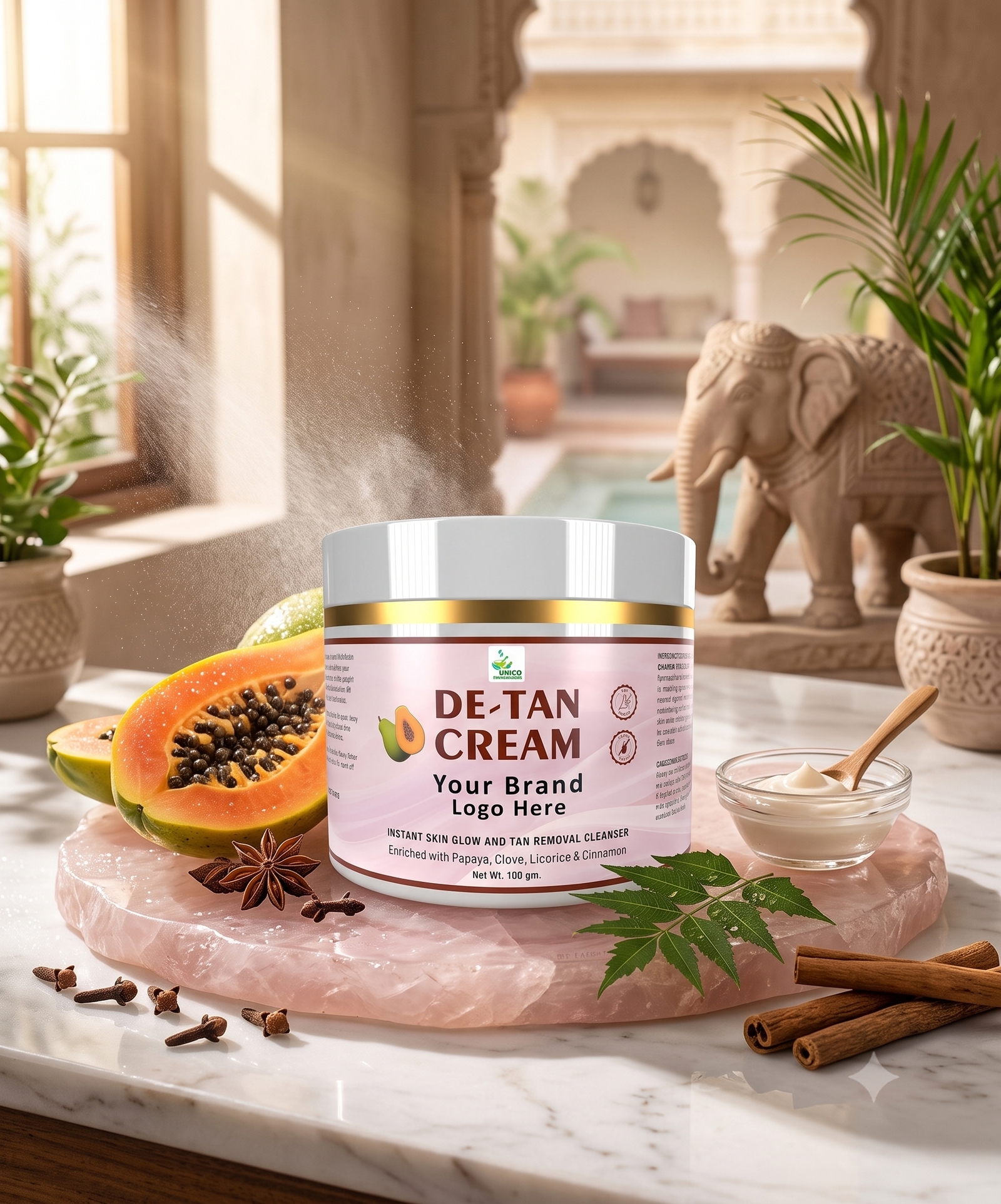
Sun exposure, outdoor activities and everyday routines can make the skin look darker or uneven in some areas. Many people consider D-Tan cream or a face tan removal cream as part of their skincare routine. However, using a product without understanding its instructions may lead to dryness, stinging or irritation. A cream that suits one person may not suit everyone.
One common mistake is assuming that applying more product or leaving it on for longer will remove tan faster. This is not a reliable approach. Cosmetic products should be used according to their labels, and irritation should never be treated as proof that a cream is working.
This guide covers common mistakes to avoid when using D-Tan cream, how to choose a suitable product for your skin type, and how to care for your face, neck and hands. For product-related information, you can also visit Unico's tan removal cream page.
1. Why Correct D-Tan Cream Use Matters
People searching for de tan cream benefits, benefits of de tan cream or d tan cream benefits should remember that the expected effect depends on the product's actual formulation and directions. Some products are rinse-off treatments, while others may be creams or lotions designed for a particular routine. Ingredients, contact time and intended application areas can differ.
Choosing a product based only on a label such as best d tan cream does not guarantee that it is suitable for your skin. Your skin may be oily, dry, combination or sensitive, and it may react differently to fragrance or exfoliating ingredients. Select products based on their intended use, clear instructions and your skin's tolerance.
Tanning is related to skin pigment and ultraviolet exposure. A cosmetic cream may improve the appearance or feel of skin depending on its formulation, but it should not be assumed to permanently prevent tanning or erase all pigmentation. Continued sun exposure can contribute to further tanning, so sun protection remains important.
2. Common Mistakes to Avoid When Using D-Tan Cream
2.1 Not Reading the Product Label
Products can have different application methods, recommended amounts, contact times and rinse-off requirements. A product intended for body use may not be suitable for the face. Before use, check the directions, warnings, ingredients, expiry date and storage instructions. If directions are unclear, ask the manufacturer or seller rather than guessing.
2.2 Leaving the Cream on for Too Long
Leaving a cream on longer does not automatically produce better results. Exceeding the stated contact time can increase the chance of dryness, discomfort or irritation. Follow the label and remove the product as directed. If strong stinging or burning occurs, remove it promptly and follow the product's safety guidance.
2.3 Applying Too Much Product
A thick layer is not necessarily more effective than the recommended amount. Excessive application may make the product harder to spread or remove and can expose the skin to more ingredients than intended. Use only the amount stated on the packaging and do not apply repeated layers unless specifically directed.
2.4 Skipping a Patch Test
Some people experience irritation or an allergic reaction to cosmetic ingredients. A patch test performed according to the product instructions may help identify some reactions before wider use. It cannot guarantee that a reaction will never occur. Do not proceed with full application if the test area develops redness, itching, swelling or persistent discomfort.
2.5 Applying D-Tan Cream to Irritated Skin
Avoid applying the product to sunburned, cut, scraped or inflamed skin unless its instructions explicitly allow it. Damaged skin may be more sensitive. If you have recently shaved, waxed or exfoliated and your skin feels tender, check the label and allow it to recover as appropriate.
2.6 Using a Body Product on the Face
Face and body products are not automatically interchangeable. Facial skin may be more sensitive, and products can have different formulations. Do not apply a body D-Tan product to the face unless the label confirms that it is suitable for facial use. Keep the product away from the eyes, lips and any area excluded by the instructions.
2.7 Using It Too Frequently
Repeating applications more often than directed can increase exposure to ingredients and may cause dryness or irritation. If you do not see an immediate change, do not keep reapplying the product during the same day. Follow the stated frequency and allow time for your skin to respond.
2.8 Combining Too Many Active Products
Using a D-Tan product alongside strong exfoliants, scrubs, retinoid products or other potentially irritating ingredients may increase discomfort. The risk depends on the ingredients and your skin's condition. Keep your routine simple when introducing a new product, and avoid combining products unless their directions or a qualified skincare professional indicate that it is appropriate.
2.9 Scrubbing Aggressively
Rough scrubbing does not guarantee that tan will disappear faster. It may irritate the skin, especially when combined with products that contain exfoliating ingredients. Cleanse gently and avoid abrasive brushes, gritty scrubs and vigorous rubbing around the time you use D-Tan cream.
2.10 Forgetting Sun Protection
Using a tan-removal product without protecting your skin from the sun may work against your skincare goals. UV exposure can contribute to tanning and uneven pigmentation. Use broad-spectrum sunscreen according to its label and reapply as directed, especially after swimming, sweating or towel drying. Hats, shade and protective clothing provide additional protection.
2.11 Expecting Instant or Permanent Results
Cosmetic results vary according to the product, the cause of the skin's appearance and individual skin characteristics. Do not assume one application will remove all visible tan or that results will be permanent. Persistent, worsening or unusual pigmentation should be assessed by a dermatologist.
2.12 Ignoring a Reaction Because a Product Is Popular
Searches for best tan removal cream for face and best cream for sun tan removal can help you compare options, but popularity does not guarantee suitability. Stop using a product if you experience persistent burning, itching, swelling or a rash. Do not continue just because the product is advertised for tan removal.
2.13 Trying Harsh Home Remedies Alongside the Cream
Household ingredients are not automatically safe for facial skin. Lemon juice, baking soda, abrasive powders and other harsh substances may cause irritation, particularly when combined with cosmetic products. Choose a gentle routine and avoid experimenting with strong or acidic ingredients to speed up results.
3. How to Use D-Tan Cream Carefully
The exact method depends on the product, so its label must always take priority. These are general precautions, not a replacement for the instructions on a particular formulation.
- Read the directions: Confirm the intended area, quantity, application method and contact time.
- Check your skin: Avoid applying it to sunburned, broken or actively irritated skin.
- Patch test: Follow the product's testing instructions before wider application.
- Cleanse gently: Remove dirt and makeup without scrubbing, if cleansing is recommended.
- Use the stated amount: Do not apply extra layers to try to speed up results.
- Follow the timing: Do not leave the product on longer than directed.
- Remove it as instructed: Rinse or remove the product according to the label.
- Keep aftercare simple: Use a gentle moisturiser if permitted and tolerated.
- Protect your skin: Use sunscreen and other sun-protective habits.
- Monitor your skin: Stop use if a concerning reaction develops.
4. How to Choose a Suitable Face Tan Removal Cream
When comparing a face tan removal cream, focus on suitability and instructions rather than a product name alone. Products with similar descriptions can have different ingredients and intended uses.
Check Facial Suitability
Confirm that the label specifically permits facial use. Follow warnings about the eye area and other sensitive parts of the face. If a product is intended only for the body, do not use it on your face without clear manufacturer guidance.
Consider Your Skin Type
People with dry, oily, combination or sensitive skin may prefer different textures and formulations. However, skin type alone cannot predict every reaction. Review the ingredient list and introduce new products cautiously.
Review the Ingredient List
Look for a complete ingredient list, clear directions, warnings, manufacturer details and a valid expiry date. Avoid products with unclear labelling or unrealistic guaranteed claims. If you have a known skin condition or a history of reactions, seek professional advice before trying a new product.
Compare Product Claims Carefully
Searches for best d tan cream, best tan removal cream for face and best cream for sun tan removal return different types of products. Compare intended use, ingredient transparency and suitability for your needs. Do not treat price, popularity or dramatic before-and-after images as proof that a product will work the same way for you.
For product-specific information, visit Unico's tan removal cream page. Review the available details and confirm any questions about usage, product specifications or suitability before making a decision.
5. D-Tan Cream for Oily Skin
People searching for de tan cream for oily skin or how to remove tan from face for oily skin often want a product that feels comfortable without leaving a heavy finish. Oily skin can still become dehydrated or irritated, so avoid over-cleansing, scrubbing aggressively or skipping moisturising care just because your skin produces oil.
Look at Texture and Product Directions
Some people prefer lightweight textures, but words such as “gel” or “oil-free” do not guarantee that a product will suit everyone. Read the label and confirm that it is designed for facial use. If you are acne-prone, look for suitable product information, while remembering that individual responses can vary.
Avoid Excessive Cleansing
Washing repeatedly to remove oil can leave skin feeling tight and uncomfortable. Use a gentle cleanser and avoid abrasive scrubs before or after using D-Tan cream. Do not apply the product more often than directed in an attempt to control shine or tan.
Keep the Routine Simple
Introduce one new product at a time and observe your skin. Avoid layering multiple exfoliating products without appropriate guidance. If you develop persistent acne, painful bumps or ongoing irritation, a dermatologist can help you select a suitable routine.
6. How to Remove Tan from Face Naturally
People often search for how to remove tan from face naturally because they want a simple routine with fewer products. Gentle skincare habits can support skin comfort, but no home remedy can be promised to remove a tan quickly or permanently. Preventing further UV exposure is an important part of care.
Use Gentle Cleansing
Wash your face with a mild cleanser that suits your skin. Avoid very hot water and rubbing with rough cloths. Gentle cleansing helps remove daily dirt and sunscreen residue without adding unnecessary friction.
Moisturise as Needed
A suitable moisturiser can help support the skin barrier and reduce dryness. Choose a product you tolerate and follow its instructions. Moisturising does not instantly erase a tan, but hydrated skin may look and feel healthier.
Use Sun Protection Consistently
Use broad-spectrum sunscreen as directed, reapply according to the label and combine it with shade, hats and protective clothing. Sunscreen does not make unlimited sun exposure safe, but it can help reduce UV exposure when used correctly.
Avoid Harsh DIY Treatments
Do not apply lemon juice, baking soda, undiluted essential oils or abrasive mixtures to try to lighten the skin. These substances can irritate or damage skin. Natural does not automatically mean gentle or safe.
Be Patient
The time needed for a tan or uneven pigmentation to fade varies. If the colour change persists, appears suddenly or changes in shape, seek advice from a dermatologist instead of repeatedly applying home remedies or cosmetic creams.
7. A Simple Routine for Face, Neck and Hands
The face, neck and hands are often exposed to sunlight, but they can also be sensitive to skincare products. The following routine focuses on general habits. If you use D-Tan cream, its own instructions determine where and how it may be applied.
| Time | General Care | Reminder |
|---|---|---|
| Morning | Cleanse gently, moisturise if needed and apply sunscreen to exposed areas. | Reapply sunscreen as directed and use protective clothing where practical. |
| When using D-Tan cream | Follow the product label, including patch testing, amount, timing and removal. | Do not use it more often or longer than directed. |
| After use | Use gentle aftercare if permitted by the product instructions. | Avoid rough scrubs and irritating products if skin feels sensitive. |
| Evening | Remove daily residue gently and use a moisturiser your skin tolerates. | Stop using any product that causes a repeated reaction. |
For the Face
Use only products labelled for facial application. Avoid the eyes and lips and be careful around areas that are already dry or irritated. If you have acne, eczema, rosacea or another skin condition, ask a healthcare professional before adding a new treatment-style cosmetic product.
For the Neck
The neck may be exposed to sunlight and can be sensitive to friction, fragrance or shaving. Do not assume a cream suitable for your face or body is automatically suitable for every part of the neck. Follow the product label and stop if irritation develops.
For the Hands
Hands are frequently washed, which can contribute to dryness. Use a moisturiser when needed and protect the backs of your hands from sun exposure. Apply D-Tan cream to the hands only if the instructions allow it.
8. Ingredients, Labels and Patch Testing
There is no single ingredient list shared by all D-Tan products. Formulas vary, so do not assume a product contains a particular ingredient or offers a specific result without checking its label.
Read the Complete Ingredient List
Check for ingredients your skin does not tolerate. Fragrance and some exfoliating or botanical ingredients may bother some users, but reactions are individual. If you have previously experienced an allergic reaction, seek professional advice about avoiding the trigger.
Understand Irritation
Stinging, burning, redness or peeling should not be interpreted as evidence that a product is removing tan. These symptoms may indicate irritation. Stop use if a concerning reaction occurs and follow the product's safety guidance.
Patch Test Responsibly
Follow the patch-testing method stated by the manufacturer. Test only on the recommended area and observe for the specified period. Do not apply the product over a large area if the patch test causes a reaction. A patch test cannot rule out every possible reaction.
Check Expiry and Storage
Do not use an expired product or one whose smell, colour or texture has changed unexpectedly. Store it according to the label and keep it away from children.
9. D-Tan Cream Myths to Avoid
Myth 1: More Cream Means Faster Results
Using more than the recommended amount may increase exposure without improving the result. Follow the label and avoid extra layers unless specifically directed.
Myth 2: Longer Application Is Always Better
Contact time is part of a product's directions for a reason. Extending it can increase irritation. Use the product only for the stated duration.
Myth 3: Every D-Tan Cream Is Suitable for the Face
Products can be designed for different body areas and routines. Confirm facial use on the label before applying any product to the face.
Myth 4: Natural Remedies Are Always Safe
Household ingredients can irritate skin, particularly when used in strong concentrations or combined with other products. Avoid harsh DIY mixtures.
Myth 5: D-Tan Cream Replaces Sunscreen
Do not treat D-Tan products as sun protection unless they are specifically labelled for that purpose. Continue to use suitable sunscreen and other sun-protective habits.
Myth 6: A Popular Product Is Best for Everyone
Skin type, sensitivity, ingredients and intended use all matter. Popularity does not guarantee suitability. Choose based on reliable product information and how your skin responds when used as directed.
10. When to Stop Using a Product
Stop using the product if you experience persistent burning, significant redness, swelling, itching, hives, blistering or a rash. Remove it according to the label or gently rinse the area when appropriate. Do not apply more products in an attempt to neutralise the reaction unless a healthcare professional advises you to.
Seek prompt medical advice if the reaction is severe, worsening or does not settle. Swelling of the lips, tongue or throat, or difficulty breathing, can be signs of a serious allergic reaction and require emergency care. A dermatologist can also help if pigmentation is persistent or you are uncertain whether it is tanning or another skin condition.
11. Quick Checklist Before Using D-Tan Cream
- Have I checked that the product is intended for the area I want to treat?
- Have I read the directions, warnings and ingredient list?
- Have I followed the recommended patch-test instructions?
- Is my skin free from sunburn, cuts and active irritation?
- Do I know the correct amount, application time and removal method?
- Am I avoiding unnecessary scrubs and irritating product combinations?
- Do I have a plan for sun protection and moisturising?
- Will I stop using the product if a concerning reaction develops?
12. Explore Unico Pharmaceuticals
For businesses researching skincare and personal-care products, it is useful to review a manufacturer's company information, published quality documentation and contact details before beginning a discussion. Product specifications, formulation requirements, packaging, production capacity and commercial terms should be confirmed directly with the manufacturer.
If you are exploring tan-removal skincare or have a business enquiry, use the links below to review available information and contact the Unico team.
- Tan Removal Cream — Explore the related product page.
- Skin and Hair Care — Browse the relevant product category.
- About Unico Pharmaceuticals — Read company information.
- Certificates and Quality Information — Review information published on the website.
- Contact Unico Pharmaceuticals — Send a business or product enquiry.
Looking for Tan-Removal Skincare Information?
Explore Unico's tan removal cream page or contact the team for product-related and business enquiries.
Explore Tan Removal CreamFrequently Asked Questions
1. What are the common mistakes to avoid when using D-Tan cream?
Common mistakes include ignoring the label, leaving the product on too long, using too much, skipping a patch test, applying it to irritated skin, combining it with harsh exfoliants and forgetting sun protection. Follow the product instructions and stop if a reaction develops.
2. Can I use D-Tan cream every day?
Use it only as often as the product label recommends. Formulas differ, so daily use should not be assumed. Using it more frequently than directed may increase the chance of irritation.
3. What is the best D-Tan cream for the face?
The right product depends on its intended use, formulation and your skin's tolerance. Choose a product clearly labelled for facial use, read the instructions and patch test as directed. No single product is guaranteed to suit everyone.
4. How do I choose the best tan removal cream for face?
Check that the product is intended for facial skin, review the ingredients and warnings, follow the usage directions and consider your skin sensitivity. Avoid relying only on popularity or dramatic marketing claims.
5. Is face tan removal cream suitable for all skin types?
Not necessarily. Products differ in formulation and some ingredients may irritate certain users. Read the label, patch test as directed and seek professional advice if you have a skin condition or a history of reactions.
6. Can I use D-Tan cream for oily skin?
Consider a product only if its label says it is suitable for your intended area and skin needs. Oily skin can still become irritated or dehydrated. Avoid over-cleansing and do not use the product more often than directed.
7. What is the best cream for sun tan removal?
There is no universally best cream for everyone. Compare intended use, ingredient information, instructions and suitability for your skin. Persistent pigmentation may need assessment by a dermatologist rather than repeated cosmetic product use.
8. How can I remove tan from my face naturally?
Use gentle cleansing, a moisturiser your skin tolerates and consistent sun protection. Avoid harsh DIY remedies such as lemon juice or abrasive mixtures. Natural routines may support skin comfort, but they cannot guarantee rapid or permanent tan removal.
9. Does leaving D-Tan cream on longer improve results?
No. Do not exceed the contact time given on the label. Longer application can increase the risk of irritation and should not be used as a shortcut to faster results.
10. Should I exfoliate before using D-Tan cream?
Do not add exfoliation unless the product instructions or a qualified professional indicate it is appropriate. Scrubbing before or after use may increase irritation, especially for sensitive or already inflamed skin.
11. Can I apply D-Tan cream to my neck and hands?
Only apply it to areas permitted by the product label. A product intended for the face may not be suitable for every body area, and vice versa. Avoid sensitive or damaged skin and stop if irritation develops.
12. Does D-Tan cream replace sunscreen?
No. Unless a product is specifically labelled for sun protection, do not rely on it as sunscreen. Use broad-spectrum sunscreen as directed and add shade, hats or protective clothing to help reduce UV exposure.
13. What should I do if my skin burns after using D-Tan cream?
Stop using the product and remove it according to the label or gently rinse the area when appropriate. Avoid applying more active products. Seek medical advice for severe, persistent or worsening symptoms, and urgent care for breathing difficulty or swelling of the lips, tongue or throat.
14. How long does it take for a tan to fade?
The time varies with skin characteristics, UV exposure and the cause of the colour change. Avoid expecting instant results from a cosmetic cream. Consistent sun protection helps reduce further UV-related tanning; persistent or unusual pigmentation should be assessed by a dermatologist.
15. Where can I find information about Unico's tan removal cream?
Visit Unico's tan removal cream page to review the available product information. For specific questions about usage or business requirements, contact Unico through its website.
Disclaimer: This article provides general skincare information and is not medical advice. Product formulations and instructions vary. Follow the product label and consult a qualified healthcare professional for persistent pigmentation, severe irritation or other skin concerns.