
Custom Lip Balm Manufacturing: Formulation, Packaging and Branding
Lip balm has become an important product category for skincare brands, cosmetic retailers and personal-care businesses. From everyday moisturising products to tinted and flavoured options, lip balms offer brands several opportunities to develop products for different customer preferences. However, launching a successful product involves more than choosing a container and adding a logo. Businesses need to consider lip balm formulation, ingredients, texture, packaging, labelling and brand positioning. Custom lip balm manufacturing brings these elements together to create a product that reflects a brand's requirements. This guide explains the key stages of developing a custom lip balm, selecting suitable ingredients, exploring lip balm packaging ideas and working with cosmetic manufacturing partners.
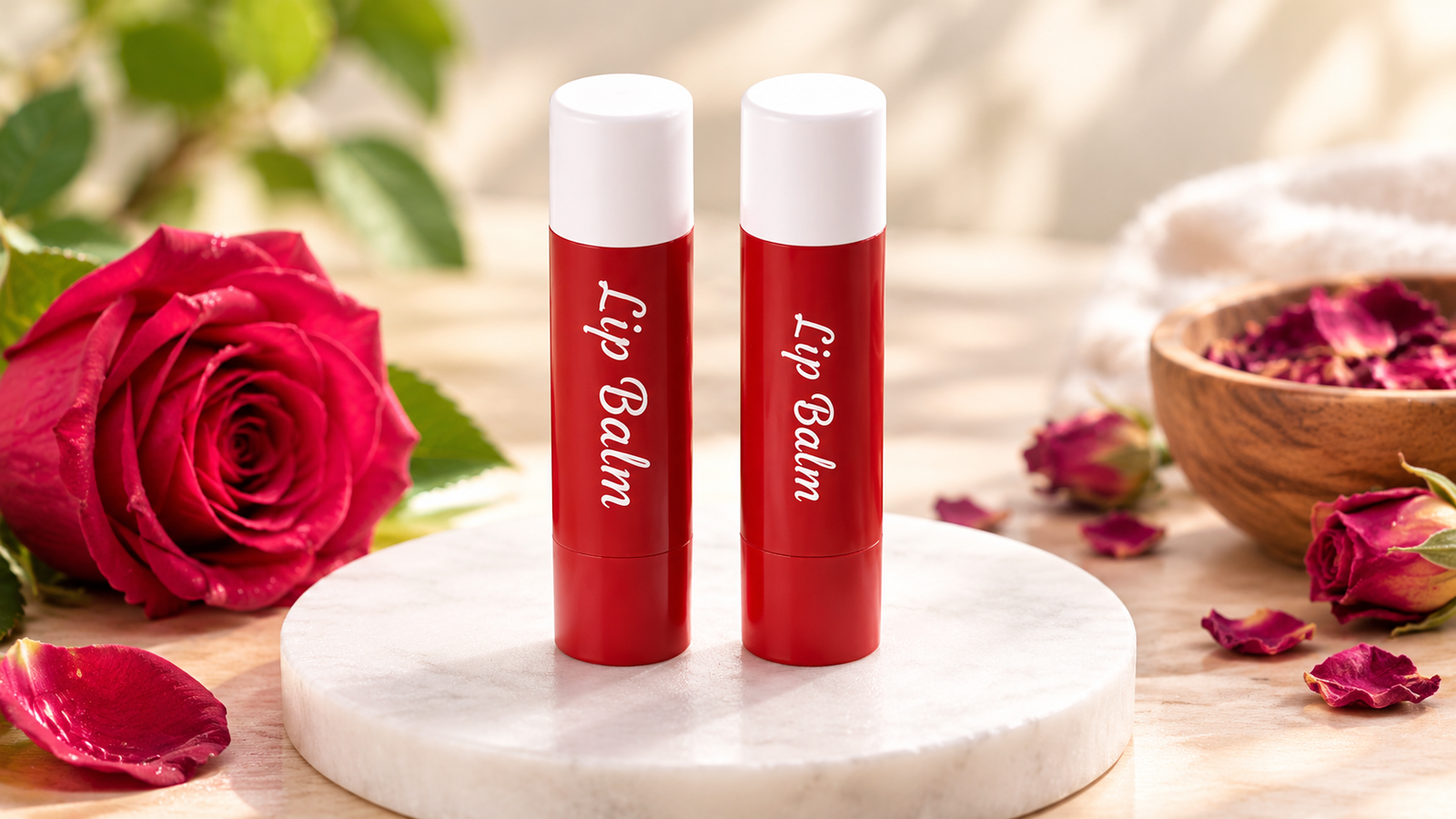
Lip balm product presentation showcasing packaging possibilities for private-label cosmetic and skincare brands.
The lip care category offers opportunities for both established businesses and new cosmetic brands. A business may want to introduce a simple daily-use lip balm, develop a premium product range or add lip care products to an existing skincare collection. Each approach requires a clear product concept and an understanding of the manufacturing process.
Before approaching a manufacturer, consider your target audience, product requirements, preferred ingredients, packaging format and expected order quantity. Having these details ready makes discussions more productive and helps manufacturers understand the type of product you want to develop.
Quick Answer: Custom lip balm manufacturing involves product planning, formulation selection, ingredient evaluation, sample development, packaging selection, label design and production. Brands should discuss their requirements with a suitable manufacturer, evaluate samples and approve the final product specifications before bulk manufacturing begins.
1. Understanding Custom Lip Balm Manufacturing
Custom lip balm manufacturing is the process of developing and producing lip care products according to a brand's preferred product specifications and commercial requirements. It can involve selecting an existing formulation, discussing formulation adjustments, choosing ingredients, deciding on product appearance and selecting suitable packaging.
Unlike purchasing a standard retail product, a custom manufacturing project gives businesses an opportunity to discuss how the finished product should look and fit within their brand range. The available customisation depends on the manufacturer's capabilities, materials, packaging availability and order quantity.
What makes a lip balm product customised?
A custom lip balm can differ from another product in several ways. These differences may relate to the base formulation, fragrance or flavour direction, colour, texture, product size, container and printed branding. Some brands prefer a simple formulation with minimal design changes, while others want a more distinctive presentation.
For example, a skincare brand may prefer a classic lip balm in a compact twist-up tube. A gift-focused business may be more interested in premium packaging and coordinated branding. A beauty retailer may want multiple variants with different product presentations.
The first step is to identify which features are essential and which are optional. This gives the manufacturer a clear starting point for discussing feasibility, samples and pricing.
2. Why Brands Are Exploring Custom Lip Balm
Lip balm is a familiar personal-care product that can complement several types of cosmetic and skincare collections. Its compact size and everyday use make it suitable for different retail and promotional product strategies.
For businesses, developing a branded lip balm can provide an opportunity to introduce a focused product without immediately building a large skincare range. It can also complement existing products such as moisturisers, face care products and other personal-care items.
Opportunities for different types of businesses
- Cosmetic brands: Add lip care products to an existing beauty collection.
- Skincare businesses: Introduce a product that complements everyday skincare routines.
- Startups: Explore a specific product category when planning a new brand.
- Retailers: Develop branded product ranges for their customers.
- Corporate businesses: Explore customised lip balm products for promotional and gifting requirements.
- Established manufacturers and distributors: Expand their existing personal-care portfolios.
Building a consistent product range
When introducing a new product, think about how it will work alongside your existing products. Consistent packaging colours, typography and product naming can help create a recognisable brand identity.
A brand that already sells skincare products may choose a lip balm presentation that follows the same visual style. Businesses launching their first product can use the same planning approach to establish a consistent appearance from the beginning.
3. Understanding Lip Balm Formulation
Lip balm formulation is one of the most important stages of product development. The formulation influences the product's texture, spreadability, appearance, consistency and overall application experience.
A typical lip balm formulation may combine oils, waxes, emollients and other selected ingredients. The proportions and selection of these components depend on the intended product type and the manufacturer's formulation process.
Texture and consistency
Texture plays an important role in how customers experience a lip balm. Some products are designed to have a soft and smooth consistency, while others may have a firmer structure. The formulation should be suitable for the selected packaging and intended application method.
A product that is too soft may not perform as expected in certain containers, while an excessively firm texture may affect application. These characteristics should be evaluated during sample development rather than assumed from the ingredient list alone.
Appearance and finish
Different brands may prefer different product appearances. A clear balm, a lightly tinted option or a glossy-looking formulation can create different visual presentations. The final appearance depends on the selected ingredients, colour requirements and formulation specifications.
Fragrance and flavour preferences
Some lip balm products are developed with a particular fragrance or flavour direction, while others use little or no added fragrance. The choice should match the product concept and intended customer preferences.
Any ingredients intended for lip-area products should be evaluated for their suitability for the intended application. Ask the manufacturer about the available options and relevant product specifications.
Important formulation point: Do not select a lip balm only by its appearance or fragrance. Texture, ingredient suitability, packaging compatibility and the finished product specification should all be evaluated before approving bulk production.
4. Common Lip Balm Ingredients
Lip balm ingredients influence the product's structure, texture and application characteristics. Understanding the basic ingredient categories can help businesses communicate their formulation preferences more clearly to manufacturers.
The exact ingredients and their proportions vary between formulations. The following are examples of ingredient categories commonly considered during lip balm development.
1. Oils
Oils are used in many lip balm formulations to contribute to the product's emollient properties and application feel. Depending on the formulation concept, manufacturers may evaluate different plant-derived or other suitable cosmetic oils.
2. Waxes
Waxes help provide structure and firmness to a balm. Their selection and proportion can influence the final consistency, stick formation and product stability.
3. Butters
Selected cosmetic butters may be used to contribute to the texture and feel of a lip balm. Their suitability depends on the desired product characteristics and the overall formulation.
4. Emollients
Emollient ingredients are considered when developing a smooth application experience. Their selection depends on the intended finish and the compatibility of ingredients within the formula.
5. Fragrance and flavour components
Depending on the product concept, suitable fragrance or flavour components may be considered. The manufacturer should evaluate the suitability of these materials for the intended lip-care application.
6. Colour ingredients
For tinted lip balm products, suitable cosmetic colour ingredients may be considered according to the desired shade and product specifications. Colour consistency should be checked during sample evaluation.
| Ingredient Category | Purpose in Formulation | What Brands Should Discuss |
|---|---|---|
| Oils | Contribute to the emollient feel and application. | Ingredient selection and desired product feel. |
| Waxes | Help create product structure and firmness. | Texture and suitability for the packaging format. |
| Butters | Contribute to the formulation's texture. | Product concept and ingredient compatibility. |
| Emollients | Influence smoothness and application characteristics. | Desired finish and formulation requirements. |
| Fragrance Components | Provide a selected fragrance direction. | Suitable options for the intended application. |
| Colour Ingredients | Provide the desired product appearance. | Shade selection and consistency. |
Brands should not assume that adding more ingredients automatically creates a better product. The suitability, quality and compatibility of the selected materials matter more than the length of an ingredient list.
For additional information about cosmetic manufacturing, businesses can explore the UNICO Cosmetics category.
5. Different Types of Custom Lip Balm
Before selecting a formulation, decide which type of lip balm best matches your brand positioning. Different product concepts can require different formulation discussions, packaging choices and visual presentations.
Classic lip balm
A classic lip balm is a straightforward product concept designed for everyday personal-care use. Brands may prefer a simple appearance, practical packaging and a formulation focused on the desired texture and application experience.
Rose lip balm
Rose-themed lip balms are an option for brands that want a floral-inspired product concept. Depending on the formulation and design, the product may feature a rose-inspired colour, fragrance direction or packaging presentation.
Businesses interested in this category can explore Rose Lip Balm Manufacturing in India to learn more about this product category.
Tinted lip balm
Tinted lip balms combine a lip-care product concept with a touch of colour. Shade selection, colour consistency and the final appearance should be discussed during product development.
Flavoured lip balm
Flavoured lip balms can be developed around different product concepts and customer preferences. Brands should discuss suitable flavour options and confirm that the selected ingredients are appropriate for the intended product.
Natural-inspired lip balm
Some brands prefer a natural-inspired product identity and may focus on selected oils, waxes or other ingredients. The final formulation and any natural-related marketing claims should be supported by the actual ingredient specifications.
The right product type depends on your target customers, brand positioning, price range and manufacturing requirements. It is better to finalise the product concept before moving into detailed packaging and artwork discussions.
6. The Lip Balm Making and Development Process
Lip balm making for commercial brands involves several stages. The exact process depends on the manufacturer's equipment, formulation, production method and packaging requirements. Understanding the broad development stages helps businesses prepare for discussions and approvals.
Step 1: Product concept and requirement planning
Start by deciding what type of lip balm you want to introduce. Define the intended customer, product format, preferred texture, fragrance direction and brand positioning. Prepare reference images if you have a particular product appearance in mind.
Step 2: Formulation discussion
Discuss the proposed formulation with the manufacturer. Explain your ingredient preferences and the characteristics you want from the finished product. Ask which options are feasible and whether an existing formulation or additional development discussion is more suitable.
Step 3: Sample development
Where available, request samples to review the product's texture, appearance, fragrance and application. Compare the sample with your original brief and provide clear feedback.
Step 4: Packaging selection
Choose packaging that suits the formulation, product size, brand identity and intended customer. The manufacturer can help discuss available container options and their compatibility with the product.
Step 5: Artwork and label approval
Prepare the logo, product name, colour scheme and packaging artwork. Review the spelling, readability and required product information before giving final approval.
Step 6: Production and quality checks
Once the product specifications and artwork have been approved, the manufacturing process can proceed according to the agreed order terms. Ask about the quality checks performed during production and before finished products are released.
Step 7: Packaging and dispatch
The finished product is packed according to the approved packaging specifications. Confirm the agreed packing details, dispatch arrangements and documentation before the order is completed.
7. Lip Balm Packaging Ideas for Cosmetic Brands
Packaging is an important part of a lip balm product because it influences presentation, convenience and brand recognition. Even when two products have similar formulations, their packaging can create very different customer impressions.
When exploring lip balm packaging ideas, consider the product size, container material, opening mechanism, design, colour and labelling space. The packaging should also be suitable for the selected formulation and intended usage.
Minimal and clean packaging
Minimal packaging uses simple visual elements, limited colours and clear typography. It can be suitable for brands that want a neat and understated appearance. A clean design also makes it easier to maintain consistency across multiple product variants.
Premium packaging
Premium-inspired packaging may use coordinated colours, distinctive finishes and carefully designed labels. Businesses developing a higher-positioned product range should ensure that the packaging style matches the overall brand presentation.
Floral and colour-based packaging
For rose or floral-inspired lip balm products, brands may consider soft shades, floral design elements and coordinated product colours. The design should remain readable and should not overcrowd the available label space.
Travel-friendly packaging
Compact containers and practical twist-up formats can be considered when portability is an important part of the product concept. Size and closure design should be evaluated before choosing the final packaging.
Before finalising any design, request packaging samples or specifications where available. Check the container's finish, dimensions, closure and suitability for the proposed formulation.
8. Choosing Lip Balm Containers and Tubes
Lip balm containers are available in different shapes, sizes and designs. The right choice depends on the product format, application preference, branding requirements and manufacturing availability.
Twist-up lip balm tubes
Lip balm tubes are a popular format for stick-style products. They usually provide a compact presentation and a practical mechanism for dispensing the balm. Businesses should review the tube size, material, cap and filling compatibility.
Small jars and containers
Jar-style lip balm containers provide a different presentation from conventional tubes. They may suit certain product concepts, but the application method and packaging hygiene considerations should be evaluated.
Custom-shaped containers
Some businesses may want distinctive container designs to create a more recognisable product. Custom shapes or special packaging may involve additional development, sourcing or setup requirements.
| Packaging Format | Key Characteristics | What to Confirm |
|---|---|---|
| Twist-up Tubes | Compact stick-style presentation. | Tube size, mechanism and filling compatibility. |
| Small Jars | Container-based balm presentation. | Closure, dimensions and application requirements. |
| Custom Containers | Distinctive packaging appearance. | Availability, cost and minimum quantity. |
| Printed Packaging | Brand-focused product presentation. | Artwork, printing method and label space. |
When comparing cosmetic packaging manufacturers and cosmetic packaging suppliers, do not focus only on appearance. Confirm material specifications, compatibility, printing options, availability and overall costs.
Packaging decisions should be finalised in coordination with the manufacturer rather than selected independently without considering the formulation.
9. Lip Balm Labels and Branding
Lip balm labels play an important role in communicating product information and establishing brand identity. Since lip balm containers are often small, the label design needs to balance visual appeal with readability.
Custom lip balm labels can help businesses create a consistent appearance across different product variants. They may include the brand name, product name, selected design elements and applicable product information.
Important elements of a lip balm label
- Brand name: Your business or product brand identity.
- Product name: A clear name that identifies the lip balm.
- Net quantity: Product quantity as applicable.
- Ingredient information: Relevant ingredient details as required.
- Manufacturer information: Applicable manufacturing details.
- Batch details: Required identification information.
- Other declarations: Applicable labelling and regulatory information for the intended market.
Designing effective custom lip balm labels
Begin with your logo and brand colours. Select fonts that remain readable at the actual label size. Avoid adding too many decorative elements because they can make small labels difficult to read.
If you are launching multiple lip balm variants, maintain a consistent layout while using suitable colour differences to distinguish them. This creates a more organised product collection.
Check artwork before printing
Always review the final artwork at its actual packaging dimensions. Check spelling, logo placement, product name, ingredient details and other required declarations. Confirm that the printing method is suitable for the selected packaging material.
The applicable labelling requirements depend on the product and market where it will be sold. Brands should verify the required declarations before approving the final artwork.
10. Organic and Natural Lip Balm Considerations
Natural lip balm and organic lip balm are product concepts that some cosmetic brands explore when planning their ingredient and brand positioning. However, these terms should be used carefully and should accurately reflect the actual formulation and supporting documentation.
A natural-inspired product may include selected plant-derived oils, waxes or butters, depending on the formulation. An organic claim requires appropriate substantiation for the ingredients and product under the applicable standards.
What should brands consider?
- Review the source and specifications of the proposed ingredients.
- Discuss the formulation requirements with the manufacturer.
- Confirm ingredient suitability for the intended lip-care application.
- Evaluate the finished product rather than relying only on individual ingredient descriptions.
- Check whether the proposed packaging is suitable for the product.
- Use organic, natural or other marketing claims only when properly supported.
A product should not be described as organic simply because it contains one or more plant-derived ingredients. Brands should verify the basis of each claim and ensure that the final label and marketing content accurately represent the product.
For businesses, a clear ingredient strategy is more useful than making broad claims without supporting information. It also helps manufacturers understand the actual formulation requirements.
11. Choosing the Right Cosmetic Manufacturing Partner
Selecting a suitable manufacturing partner is an important decision for any business planning a custom lip balm. The manufacturer should understand your product requirements and be able to explain its available services, production process and commercial terms.
When researching cosmetic manufacturing partners, review their product categories, manufacturing experience, quality practices, packaging support and communication. A company's website can provide an initial overview, but important project details should be confirmed directly.
Evaluate relevant manufacturing experience
Ask whether the manufacturer has experience with lip care or related cosmetic products. Find out whether it can discuss formulation, packaging, labelling and production requirements for your project.
Discuss formulation and development capabilities
A suitable partner should be able to explain the available formulation options and identify which requested features need additional evaluation. Ask whether samples are available and how product changes are handled.
Check quality practices
Discuss how raw materials, production stages and finished products are checked. Ask about the relevant product specifications and documentation available for your order.
Review packaging support
Some projects require only standard packaging with a brand label, while others involve more detailed packaging discussions. Confirm whether the manufacturer can support your selected format or coordinates packaging through external suppliers.
Compare communication and commercial terms
A professional supplier should explain MOQ, pricing, sample charges, production timelines and payment terms clearly. Ask for a written quotation that specifies what is included and what may be charged separately.
Businesses can also review UNICO Pharmaceuticals' company information and certification information while evaluating potential manufacturing partners.
12. MOQ, Pricing and Production Planning
The cost of custom lip balm manufacturing depends on several project-specific factors. These may include formulation requirements, ingredient selection, product size, packaging format, branding, order quantity and additional development work.
MOQ, or minimum order quantity, is the minimum quantity a manufacturer is willing to produce or supply under specified conditions. It may vary depending on the product, packaging and degree of customisation.
Factors that can influence manufacturing costs
- Type of lip balm formulation.
- Selected ingredients and their specifications.
- Product size and quantity per unit.
- Choice of lip balm tubes or other containers.
- Custom lip balm labels and printing requirements.
- Special packaging or artwork requirements.
- Sample development and revisions.
- Production quantity and delivery arrangements.
Questions to ask before placing an order
| Area | Questions to Ask | Why It Matters |
|---|---|---|
| MOQ | What is the minimum order quantity? | Helps plan the initial investment. |
| Formulation | Are formulation changes possible? | Clarifies product development options. |
| Samples | Are sample and revision charges applicable? | Helps plan development expenses. |
| Packaging | Which containers and printing options are available? | Supports packaging decisions. |
| Quotation | What is included in the quoted price? | Helps compare total project costs. |
| Timeline | What is the expected production schedule? | Supports launch planning. |
Before confirming the order, ask for a written quotation and an approved product specification. This should clearly explain the agreed formulation, product size, packaging, labelling and other relevant requirements.
Do not make launch commitments based on estimated timelines alone. Sampling, artwork approval, packaging availability and production scheduling can all influence the final timeline.
13. Custom Lip Balm Manufacturing Checklist
Use the following checklist when preparing a lip balm manufacturing enquiry. It will help you organise your requirements before contacting a supplier.
Before Approving Your Lip Balm Project
- Define your target audience and brand positioning.
- Decide which type of lip balm you want to develop.
- Prepare your preferred formulation and ingredient requirements.
- Discuss texture, fragrance and colour preferences.
- Evaluate available product samples.
- Select suitable lip balm containers or tubes.
- Finalise packaging and branding preferences.
- Prepare custom lip balm labels and artwork.
- Verify applicable product labelling requirements.
- Confirm MOQ and complete pricing details.
- Understand quality-control and documentation practices.
- Approve the final product and packaging specifications.
- Confirm the production and dispatch schedule.
Having this information ready makes it easier for the manufacturer to understand your expectations. It also reduces the chances of confusion during sampling, artwork approval and production.
For new brands, starting with a clearly defined product concept is often more practical than planning several variants at the same time. Once the initial product requirements are understood, additional variants can be discussed separately.
14. Explore Custom Lip Balm Manufacturing with UNICO Pharmaceuticals
UNICO Pharmaceuticals is an Indian pharmaceutical and cosmetic manufacturing company based in Ludhiana, Punjab. With more than 35 years of manufacturing experience and a GMP-certified facility, UNICO provides businesses with a starting point for exploring its cosmetic product categories and manufacturing information.
Businesses looking for a lip balm manufacturer in India can explore the dedicated UNICO lip balm manufacturing page to understand the category and discuss their product requirements.
Whether you are planning a new lip care product or looking to expand an existing cosmetic range, it is important to prepare a clear manufacturing brief. Include your preferred lip balm type, formulation requirements, ingredient preferences, packaging format, branding needs and estimated order quantity.
Discuss your product and formulation requirements
Explain whether you are interested in a classic lip balm, rose-inspired lip balm, tinted product or another concept. Share your preferences for texture, appearance, fragrance and ingredients so that the available options can be discussed.
Explore packaging and branding
Packaging and labelling should be considered alongside the formulation. Discuss the available container formats, label requirements, logo placement and product presentation. The final options will depend on project requirements and manufacturing feasibility.
Why consider UNICO Pharmaceuticals?
- More than 35 years of manufacturing experience.
- GMP-certified manufacturing facility.
- Based in Ludhiana, Punjab, India.
- Information about cosmetic and personal-care product categories.
- A dedicated lip balm manufacturing category page for business enquiries.
You can explore the UNICO Lip Balm Manufacturers in India page for category information.
You may also explore Rose Lip Balm Manufacturing for a related product category, or visit the Cosmetics Manufacturing page to learn about other cosmetic product categories.
For further company information, visit the About UNICO page and review the Certificates section.
Prepare your manufacturing enquiry
When contacting UNICO, share the product concept, preferred formulation, packaging ideas and expected quantity. Mention whether you are interested in an existing product option or want to discuss specific customisation requirements.
For project discussions and business enquiries, visit the UNICO Contact Us page. Confirm product availability, customisation options, MOQ, pricing and timelines directly before making a manufacturing decision.
15. Final Thoughts: Build a Lip Balm Product That Reflects Your Brand
Custom lip balm manufacturing involves several connected decisions, from formulation and ingredient selection to packaging, labelling and branding. Each stage contributes to the final product and should be considered carefully before bulk production.
Start by defining your product concept and identifying the features that matter most to your target customers. Discuss the formulation with a suitable manufacturer, review samples, compare packaging formats and prepare clear artwork. Confirm all relevant product specifications and commercial terms before approving the order.
A well-planned product development process can help cosmetic businesses make informed decisions and establish a consistent product identity. Whether you are introducing your first lip balm or adding another product to an existing skincare collection, the right manufacturing discussions can provide a practical foundation for your project.
If you are researching a custom lip balm manufacturer in India, explore the available manufacturing options and share your requirements before moving forward with product development.
Planning to Launch Your Own Lip Balm Brand?
Explore lip balm manufacturing with UNICO Pharmaceuticals. Discuss your product concept, formulation preferences, packaging requirements and private-label business needs.
Explore Lip Balm Manufacturing →Frequently Asked Questions About Custom Lip Balm Manufacturing
Here are answers to common questions businesses ask when exploring custom lip balm manufacturing, formulation, packaging and private-label cosmetic products.
1. What is custom lip balm manufacturing?
Custom lip balm manufacturing is the process of developing and producing lip care products according to a brand's requirements. It may include formulation discussions, ingredient selection, packaging, labelling and branding, depending on the manufacturer's capabilities.
2. What ingredients are commonly used in lip balm formulation?
Common ingredient categories include oils, waxes, butters, emollients and selected fragrance or colour components. The actual ingredients and proportions depend on the product concept and the manufacturer's formulation process.
3. Can I create a custom lip balm for my own brand?
Businesses can approach cosmetic manufacturers to discuss branded lip balm products. Customisation may involve product selection, formulation preferences, packaging, labels and artwork. Available options should be confirmed directly with the manufacturer.
4. What are the different types of lip balm?
Common product concepts include classic lip balm, rose lip balm, tinted lip balm, flavoured lip balm and natural-inspired lip balm. Each type may require different formulation and packaging discussions.
5. What are the best lip balm packaging ideas for cosmetic brands?
Packaging ideas include twist-up tubes, compact containers, small jars and customised packaging. The right option depends on product format, brand positioning, packaging availability and formulation compatibility.
6. What is the difference between lip balm tubes and containers?
Lip balm tubes are generally used for stick-style products and offer a compact dispensing format. Other containers, such as small jars, use a different application method. Selection depends on the intended product design and customer experience.
7. Why are custom lip balm labels important?
Custom lip balm labels help establish brand identity and communicate product information. A good label design should maintain readability while including the applicable product declarations and branding elements.
8. Can I manufacture natural lip balm or organic lip balm?
Natural-inspired and organic product concepts can be discussed with a manufacturer. Ingredient selection and the basis for any natural or organic claims should be verified. Organic claims should only be used when supported by appropriate documentation and applicable standards.
9. What is the MOQ for custom lip balm manufacturing?
The minimum order quantity depends on the manufacturer, formulation, packaging format and customisation requirements. Ask whether the MOQ applies to the complete order or separately to each product variant.
10. How long does lip balm manufacturing take?
The timeline depends on formulation discussions, sample development, packaging availability, artwork approvals, order quantity and the production schedule. Request a project-specific timeline from the manufacturer before confirming a launch date.
11. How do I choose the right cosmetic packaging manufacturer?
Compare packaging quality, material specifications, available formats, printing options, compatibility and commercial terms. Also confirm whether the manufacturer supplies packaging directly or works with external cosmetic packaging suppliers.
12. Can lip balm packaging and branding be customised?
Customisation may include logo placement, label design, packaging colours and selected container options. The available choices depend on the supplier, packaging format, order quantity and project requirements.
13. What should I check before approving a lip balm sample?
Review the texture, appearance, fragrance, application, consistency and packaging compatibility. Compare the sample with your requirements and confirm the final product specification in writing before bulk manufacturing.
14. How can I find lip balm manufacturers in India?
Research manufacturers with relevant cosmetic product experience, review their product categories and discuss formulation, packaging, quality practices and MOQ. You can explore the UNICO Lip Balm Manufacturers in India page for further information.
15. How can I contact UNICO Pharmaceuticals for lip balm manufacturing?
Visit the UNICO Lip Balm Manufacturing page or use the Contact Us page. Share your product concept, formulation preferences, packaging requirements and estimated quantity to discuss your enquiry.
Explore Related UNICO Pharmaceuticals Pages
Explore related cosmetic manufacturing categories and company information.
Lip Balm Manufacturers in IndiaRose Lip Balm Manufacturing
Cosmetic Manufacturing
About UNICO Pharmaceuticals
Certificates and Quality Information
Contact UNICO Pharmaceuticals
This article provides general information about custom lip balm manufacturing, formulation, ingredients, packaging and branding. Actual ingredients, formulations, packaging options, product specifications, MOQ, pricing, documentation and production timelines vary according to the manufacturer and individual project requirements. Cosmetic brands should verify applicable product safety and labelling requirements and ensure that all ingredient, natural, organic and product-related marketing claims are accurate and properly supported.