
How to Choose the Best Face Mask for Your Skin Type
Choosing a face mask is easier when you understand what your skin needs. A mask designed for oily skin may focus on absorbing excess oil, while a hydrating formula may be more suitable for dry skin. Sensitive, combination and acne-prone skin can need different considerations, too. This guide explains how to choose a face mask for oily skin, dry skin, sensitive skin and combination skin, what ingredients to look for, and how to use a mask as part of a balanced skin-care routine.
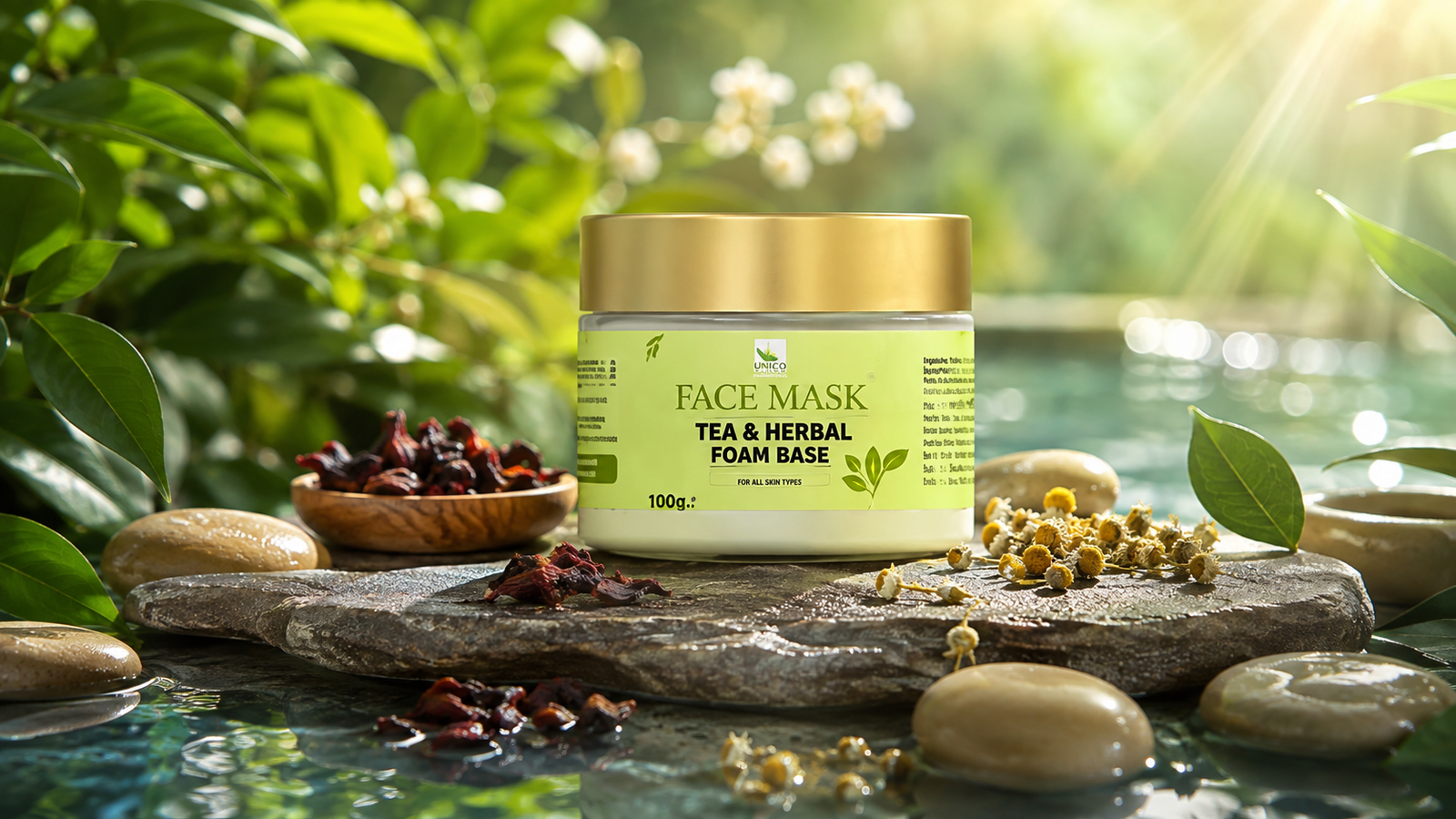
Choose a face mask according to your skin type, comfort and individual skin-care needs.
Face masks are available in many formats, including clay masks, cream masks, gel masks, sheet masks and wash-off treatments. Their textures and ingredients can vary significantly, so the best option is not necessarily the most expensive or the most popular one. The goal is to select a product that suits your skin, follow its directions and avoid ingredients that you know cause irritation.
Before choosing a mask, think about how your skin usually feels after cleansing. Does it become shiny quickly, feel tight or flaky, react easily to new products, or show both oily and dry areas? These observations can help you narrow down your options. Skin can also change with weather, hormones, age and other factors, so review your skin's needs rather than relying on a label alone.
Quick answer: A clay-based mask may suit some people with oily skin; a moisturising cream or gel mask may help dry-feeling skin; and fragrance-free, gentle formulas are often a sensible starting point for sensitive skin. For combination skin, consider applying different products to different areas if the product directions allow it. No face mask works best for everyone.
1. What Does a Face Mask Do?
A face mask is a skin-care product designed to provide a particular type of temporary care. Depending on its formulation, it may help remove surface impurities, absorb some excess oil, add moisture or leave the skin feeling softer. Different products have different purposes, and the results depend on the ingredients, how the product is used and the individual's skin.
A mask should complement, not replace, the basics of a routine: a suitable cleanser, moisturiser and daily sun protection. Stronger or more frequent use does not automatically produce better results. Follow the label instructions and discontinue use if a product causes persistent burning, swelling or significant irritation.
Set a realistic goal before choosing
Decide what you want the mask to do. If your main concern is shine, you may prefer a product formulated for oily skin. If your skin feels tight after cleansing, a moisturising mask may be a better fit. If your skin reacts easily, simplicity and tolerance are important. A mask cannot permanently change your natural skin type, and it should not be treated as a cure for a medical skin condition.
2. How to Identify Your Skin Type
Understanding your skin type helps you choose products more thoughtfully. Wash your face with a gentle cleanser, pat dry and observe how your skin feels after a little time without applying other products. This is only a basic observation, not a medical diagnosis, and skin can have more than one characteristic.
Oily skin
Oily skin often develops visible shine, particularly around the forehead, nose and chin. Pores may appear more noticeable, and some people experience blackheads or breakouts. A suitable mask may focus on removing surface residue and absorbing some excess oil without leaving the skin uncomfortably tight.
Dry skin
Dry skin may feel tight, rough or flaky and can feel uncomfortable after cleansing. A moisturising face mask for dry skin can be a useful occasional addition, especially when it contains ingredients that help attract or retain water and support the skin's moisture barrier. A daily moisturiser is still important.
Sensitive skin
Sensitive skin may sting, itch, redden or feel uncomfortable after using certain products. Fragrance, exfoliating acids, essential oils and other ingredients can be triggers for some individuals, although reactions vary. Look for a gentle formula with a short, clear ingredient list and patch-test before applying it to the whole face.
Combination skin
Combination skin often has an oilier forehead, nose and chin (the T-zone), with normal or dry-feeling cheeks. A single rich or strongly oil-absorbing mask may not suit every area equally. You can consider a balanced formula or targeted application, provided the product instructions permit it.
Acne-prone skin
Acne-prone skin can have blackheads, whiteheads or inflamed spots. Choose non-comedogenic products where possible and avoid scrubbing or aggressively drying the skin. A face mask for acne-prone skin may support a routine, but persistent or painful acne may need advice from a qualified healthcare professional.
3. Best Face Mask for Oily Skin
If your skin tends to become shiny during the day, a face mask for oily skin may be designed to absorb some excess surface oil and remove impurities. Clay masks are a common option because certain clays can absorb oil. However, the best clay mask for oily skin should leave the skin comfortable rather than stripped, tight or irritated.
What to look for
- Clay-based ingredients: Kaolin or bentonite may help absorb surface oil in suitable formulations.
- Lightweight texture: A product that rinses off easily may be comfortable for regular skin-care use.
- Balanced formulation: Avoid assuming that a harsh, drying sensation means the mask is working better.
- Clear directions: Use only for the stated duration and frequency.
Is the best face mask for oily skin always a clay mask?
No. A clay mask is one option, not a universal answer. If your skin is oily but also dehydrated or sensitive, an overly drying formula may make it feel uncomfortable. You may prefer a gentler wash-off mask and a lightweight moisturiser. If you experience frequent breakouts, select products carefully and consider professional guidance when needed.
Face mask for oily skin and pimples
When searching for a face mask for oily skin and pimples, avoid rough scrubs and products that cause burning. Some masks can temporarily reduce surface oil, but they do not replace proven acne treatments. Introduce one new product at a time so that you can identify any irritation or worsening breakouts.
4. Best Face Mask for Dry Skin
Dry-feeling skin generally benefits from a mask focused on hydration and comfort rather than oil absorption. A hydrating face mask for dry skin may contain humectants such as glycerin or hyaluronic acid, alongside emollients that help soften the skin. The best choice depends on your preferences, sensitivities and the rest of your routine.
Ingredients that may help dry-feeling skin
- Glycerin: A humectant that helps attract water to the outer layers of the skin.
- Hyaluronic acid: A water-binding ingredient used in many moisturising formulas.
- Emollients: Ingredients that help soften and smooth the skin's surface.
- Barrier-supporting ingredients: Depending on the formula, these may help reduce moisture loss.
How to choose a mask for dry skin
Look for wording such as moisturising, hydrating or suitable for dry skin, and check the ingredient list if you have known sensitivities. A cream or gel mask may feel more comfortable than a clay-based formula. Avoid very hot water and excessive cleansing, which can worsen dryness for some people. After rinsing a wash-off mask, apply a moisturiser while the skin is still slightly damp if that suits your routine.
Face mask for dry sensitive skin
If your skin is both dry and sensitive, prioritise gentle, fragrance-free products and avoid introducing several new products at once. Patch-test first, follow the directions and stop if you experience a reaction. Persistent cracking, inflammation or discomfort deserves advice from a dermatologist or another qualified healthcare professional.
5. Best Face Mask for Sensitive Skin
The best face mask for sensitive skin is usually one that your skin tolerates well, rather than one with the longest ingredient list or strongest claims. Sensitive skin can react differently from person to person, so there is no single ingredient or product guaranteed to work for everyone.
How to select a gentle mask
- Consider fragrance-free products if fragrance tends to irritate your skin.
- Be cautious with strong exfoliating ingredients, essential oils and products that promise an intense peel.
- Look for clear instructions and avoid leaving a mask on longer than directed.
- Patch-test a small area before first use, following the product's instructions.
- Do not apply a mask to broken, severely irritated or sunburned skin unless a healthcare professional advises it.
Terms such as “natural” or “botanical” do not guarantee that a product will be non-irritating. Plant extracts and essential oils can also cause reactions in some people. Check the full ingredient list and consider your own history of sensitivities.
When should you stop using a face mask?
Remove the product if you experience strong burning, itching or discomfort. If swelling, blistering, a severe rash or symptoms near the eyes occur, seek appropriate medical advice. If you repeatedly react to skin-care products, a dermatologist may help identify possible triggers.
6. Best Face Mask for Combination Skin
Combination skin can be challenging because the T-zone may become oily while the cheeks feel normal or dry. A face mask for combination skin should fit these differences rather than treating the entire face as if it had one uniform need.
Option 1: Choose a balanced formula
A mild mask that does not leave the skin too oily or too dry may be a practical starting point. Review the product's stated purpose and stop using it if it creates persistent tightness, redness or breakouts.
Option 2: Target different areas
Some people use a clay mask only on oilier areas and a hydrating mask on drier areas. This approach is sometimes called multi-masking. Use it only when both products are suitable for your skin and their directions allow the intended application. Avoid layering several active products together if you are unsure how your skin will respond.
Keep the rest of your routine consistent
Use a gentle cleanser, a moisturiser suited to your skin and daily sun protection. A face mask should be an occasional addition, not a reason to skip moisturising the dry areas or over-treat the oily areas. Reassess your routine if the weather or your skin's condition changes.
7. Face Masks for Acne-Prone Skin and Pimples
When choosing a face mask for acne prone skin, focus on tolerance and avoid products that clog pores or irritate your skin. A mask may make skin feel cleaner or temporarily less oily, but it should not be presented as a guaranteed acne cure. Acne has different causes and levels of severity, and a mask alone may not be enough to manage it.
Practical selection tips
- Look for non-comedogenic claims where available, while remembering that individual responses still vary.
- Avoid abrasive particles and vigorous scrubbing over active pimples.
- Do not squeeze spots or use a mask to try to dry them out aggressively.
- Introduce products one at a time and monitor your skin.
- Seek professional advice for deep, painful, persistent or scarring acne.
What about face masks for pimples?
A mask formulated for oily or acne-prone skin may be part of a routine, but results vary by formula and individual. Avoid combining several strong products at once, and do not assume that stinging or redness means a product is effective. If acne is persistent or painful, a qualified healthcare professional can help you explore suitable treatment options.
8. Different Types of Face Masks
Understanding the different types of face masks can help you choose a format that matches your skin-care goals. The product's full formulation matters more than the format alone.
Clay masks
Clay masks commonly contain ingredients such as kaolin or bentonite. They are often marketed for oily skin because some clays can absorb surface oil. They may not be the best choice for skin that is very dry or easily irritated.
Cream masks
Cream masks generally have a richer texture and may be designed to leave dry-feeling skin softer and more comfortable. Check the ingredient list if you have sensitivity to fragrance or particular moisturising ingredients.
Gel masks
Gel masks often have a lightweight, cooling texture. Depending on their formula, they may provide a comfortable hydrating step for some skin types, including skin that dislikes heavy textures.
Sheet masks
Sheet masks hold a serum-like formula against the skin for a limited time. Their ingredients vary widely, so check the label and avoid ingredients that you know trigger a reaction.
Exfoliating masks
Some masks contain exfoliating ingredients that help loosen dead surface cells. These products can irritate some users, particularly when combined with other exfoliating products. Follow the instructions carefully and avoid overuse.
Wash-off masks
Wash-off masks are removed with water after the specified time. They can be clay-based, cream-based or gel-based. Choose according to your skin's needs and use the product only as directed.
9. Ingredients to Look For in a Face Mask
The ingredient list can help you understand what a product is designed to do. No ingredient guarantees a particular result, and the overall formula, concentration and usage directions all matter.
| Ingredient or category | Common use | Considerations |
|---|---|---|
| Kaolin clay | Often used to absorb surface oil | May feel drying for some skin types |
| Bentonite clay | Common in oil-absorbing masks | Follow the product's duration and frequency instructions |
| Glycerin | Humectant used in moisturising formulas | Check the full formula if you have known sensitivities |
| Hyaluronic acid | Helps bind water in skin-care products | Works as part of the overall moisturising routine |
| Emollients | Help soften and smooth the skin | Choose a texture that feels comfortable for your skin |
| Fragrance | Added for scent | Consider fragrance-free products if fragrance is a known trigger |
| Exfoliating acids | Used in some exfoliating formulas | May irritate; avoid overuse or combining too many actives |
Always read the full ingredient list
Product labels and marketing terms can be useful, but they are not a substitute for reading the ingredient list and directions. If you have known allergies, review the formula carefully. Introduce one new product at a time so you can better identify the cause if irritation occurs.
10. Common Mistakes to Avoid When Choosing a Face Mask
- Choosing only by popularity: A popular product may not suit your skin type or preferences.
- Leaving a mask on for too long: Longer application does not necessarily improve results and may cause discomfort.
- Overusing clay masks: Frequent use may leave some skin types feeling excessively dry or tight.
- Ignoring fragrance sensitivities: Fragrance can be a trigger for some people.
- Scrubbing active pimples: Rough scrubbing may worsen irritation.
- Trying several new products at once: It can be difficult to identify which product caused a reaction.
- Expecting instant or permanent changes: A face mask is not a permanent skin-type changer or a guaranteed treatment for a skin condition.
- Skipping moisturiser: A mask should not replace the other steps your skin needs.
11. How to Use a Face Mask Correctly
Using a face mask according to its instructions can help you avoid unnecessary irritation and get the intended experience from the product.
- Cleanse gently: Start with clean skin unless the product instructions say otherwise.
- Read the label: Check how much product to apply and how long to leave it on.
- Apply carefully: Avoid the eyes and lips unless the product is specifically designed for those areas.
- Do not exceed the recommended time: Leaving a mask on longer is not automatically better.
- Rinse as directed: Use the removal method stated on the product label.
- Moisturise if appropriate: Apply a suitable moisturiser after a wash-off mask if it fits your routine.
- Monitor your skin: Stop using the product if you develop persistent burning, itching, swelling or irritation.
How often should you use a face mask?
The right frequency depends on the specific product and your skin's tolerance. Follow the manufacturer's directions rather than using a mask every day by default. If your skin becomes dry, tight, red or uncomfortable, reduce use or discontinue the product.
12. Face Mask Comparison Table
| Skin type | Mask option to consider | What to prioritise | What to watch for |
|---|---|---|---|
| Oily skin | Gentle clay mask | Oil absorption and comfortable feel | Excessive dryness or tightness |
| Dry skin | Hydrating cream or gel mask | Moisturising ingredients | Known irritants and over-cleansing |
| Sensitive skin | Gentle, fragrance-free formula | Simple formulation and tolerance | Burning, itching or redness |
| Combination skin | Balanced mask or targeted application | Different needs across facial areas | Over-drying the cheeks or T-zone |
| Acne-prone skin | Suitable, gentle wash-off formula | Non-irritating use and pore-conscious selection | Harsh scrubbing and unsupported treatment claims |
This comparison is a general guide rather than a guarantee. The most suitable face mask depends on the complete formula, your skin's condition and your individual tolerance.
13. Choosing a Skin-Care Product Manufacturer
Businesses planning to launch their own face mask range may need to evaluate potential cosmetic manufacturing partners. Alongside product concept and packaging, consider formulation requirements, quality processes, product testing, labelling, documentation and applicable regulatory obligations.
UNICO Pharmaceuticals provides information about its company and cosmetic manufacturing category through its website. Businesses researching a potential manufacturing partner can review the available information and contact the company to discuss their specific requirements.
Questions to discuss with a manufacturer
- What types of face mask formulations can be discussed?
- What product specifications, sampling and quality checks can be provided?
- Which packaging options are suitable for the intended formula?
- What ingredient, labelling and regulatory documentation is required?
- What are the minimum order quantity, price components and production timeline?
Clear product requirements make it easier to assess whether a proposed manufacturing arrangement suits your business. Avoid making product performance or skin-benefit claims unless they are supported by suitable evidence and comply with applicable requirements.
14. Final Thoughts: How to Choose the Right Face Mask
The best face mask for your skin type is the one that matches your needs and that your skin tolerates well. Oily skin may suit a gentle clay mask, dry skin may prefer a hydrating formula, sensitive skin generally benefits from cautious product selection, and combination skin may need a more targeted approach. For acne-prone skin, avoid harsh scrubbing and remember that a mask is not a replacement for appropriate acne care.
Start with your skin's main concern, read the ingredient list, follow the product directions and introduce new products gradually. A consistent routine and realistic expectations are more useful than frequently switching between masks. If you experience persistent irritation or significant acne, consult a qualified healthcare professional.
Explore UNICO Pharmaceuticals
Learn more about UNICO's cosmetic manufacturing services, company experience and available product information.
Explore Cosmetic Manufacturing →Frequently Asked Questions About Choosing a Face Mask
Here are answers to common questions about face masks for oily, dry, sensitive, combination and acne-prone skin.
1. How do I choose the best face mask for my skin type?
Identify your main skin concern, check the mask's intended use and review its ingredients. Oily skin may suit a gentle clay mask, dry skin may benefit from a hydrating formula, and sensitive skin should prioritise products it tolerates. Patch-test new products and follow the label directions.
2. Which face mask is best for oily skin?
A gentle clay mask containing ingredients such as kaolin or bentonite may help absorb surface oil. The best choice should not leave your skin excessively tight or irritated. Product suitability depends on the complete formula and your skin's response.
3. What is the best clay mask for oily skin?
Look for a clay mask designed for oily skin with clear usage instructions. Ingredients such as kaolin or bentonite are commonly used to absorb surface oil, but a clay mask may still be too drying for some people. Stop or reduce use if irritation develops.
4. Which face mask is suitable for dry skin?
A hydrating face mask for dry skin may contain humectants such as glycerin or hyaluronic acid and other moisturising ingredients. A cream or gel texture may feel comfortable. Continue using a suitable moisturiser as part of your routine.
5. Is a hydrating face mask good for dry skin?
It can be a useful addition to a dry-skin routine if the formula suits your skin. Check the ingredient list and directions, avoid products that cause irritation and apply moisturiser afterward when appropriate.
6. What is the best face mask for sensitive skin?
Consider a gentle, fragrance-free formula with ingredients you know you tolerate. No product is guaranteed to suit everyone with sensitive skin, so patch-test first and avoid products that cause burning, itching or redness.
7. Which face mask is suitable for dry sensitive skin?
A gentle hydrating mask may be a starting point, especially if it avoids ingredients that have triggered reactions for you before. Patch-test the product and discontinue use if discomfort occurs. Seek professional advice for persistent symptoms.
8. What is the best face mask for combination skin?
A balanced formula may work for some people. Others may prefer targeted application, such as a clay mask on oily areas and a hydrating mask on dry areas, provided both products' instructions allow it.
9. Can I use a face mask for oily skin and pimples?
You can consider a gentle product suited to oily, acne-prone skin, but avoid harsh scrubbing and over-drying. Face masks do not guarantee acne treatment. Persistent, painful or scarring acne should be assessed by a qualified healthcare professional.
10. What are the different types of face masks?
Common types include clay masks, cream masks, gel masks, sheet masks, exfoliating masks and wash-off masks. Their purpose depends on the ingredients and formulation, so choose based on your skin needs rather than the format alone.
11. How often should I use a face mask?
Follow the specific product's instructions because recommended frequency varies. Using a mask more often than directed can cause dryness or irritation. Reduce use or stop if your skin becomes uncomfortable.
12. Should I moisturise after using a face mask?
For many wash-off masks, applying a suitable moisturiser afterward can help maintain skin comfort. Follow the product directions and choose a moisturiser that suits your skin type.
13. Can natural face masks cause irritation?
Yes. Natural or botanical ingredients can still trigger irritation or allergic reactions in some people. Check the ingredient list, patch-test new products and stop using a product if a reaction occurs.
14. Can a face mask permanently change my skin type?
No. A face mask may temporarily affect how the skin feels or looks, but it does not permanently change your natural skin type. Skin can change over time because of factors such as weather, hormones and age.
15. When should I seek professional advice about my skin?
Seek advice if you have persistent irritation, recurring reactions, severe dryness, or painful, persistent or scarring acne. Get prompt medical advice for severe swelling, blistering or a significant reaction.
Explore Related UNICO Pharmaceuticals Pages
Visit these pages to learn more about UNICO Pharmaceuticals and its cosmetic manufacturing information.
UNICO Pharmaceuticals Cosmetic Manufacturing About UNICO Pharmaceuticals Certificates and Quality Information Contact UsThis article provides general skin-care information and is not medical advice. Individual skin responses vary. Follow each product's instructions and consult a qualified healthcare professional for persistent skin concerns or reactions.