
Mask Manufacturer in India: A Guide to Face Mask Manufacturing
Finding the right mask manufacturer in India is an important decision for businesses planning to launch or expand a skincare product range. Whether you are a cosmetic brand, distributor, wholesaler or entrepreneur, choosing a manufacturing partner requires careful evaluation of product specifications, quality procedures, packaging, pricing and production capabilities. This guide explains how to assess a face mask manufacturer in India, understand the face mask manufacturing process and prepare for a productive B2B manufacturing enquiry.
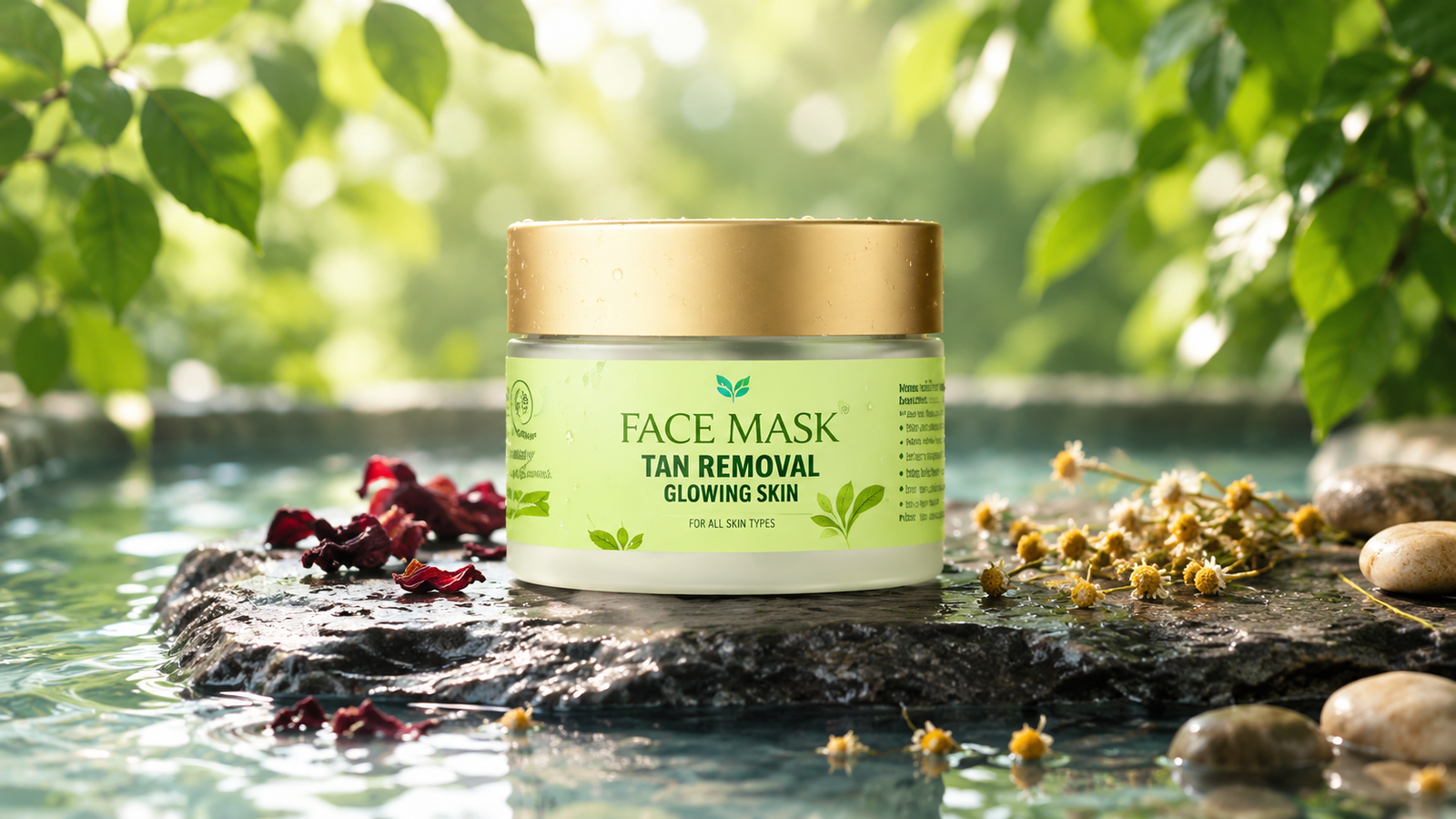
The Indian cosmetics market includes businesses serving different customer groups and price segments. For a new or established skincare brand, working with a suitable manufacturing partner can help organise product development, production and packaging without building a complete manufacturing operation independently. However, suppliers differ in their capabilities, so it is important to confirm whether a company can meet your specific requirements.
If your business is researching a face mask manufacturing company in India, begin by defining the product you want to develop. Consider its intended cosmetic use, formulation preferences, target customer, packaging, expected quantity and sales channel. These details help you compare suppliers on an equivalent basis and request a more useful quotation.
Quick takeaway: A suitable mask manufacturer should explain its relevant manufacturing capabilities, available formulations, sample process, quality procedures, packaging options, MOQ, pricing and production schedule. Confirm the details for your specific product before committing to a bulk order.
1. What Does a Mask Manufacturer in India Do?
A mask manufacturer develops or produces a specified mask product according to an agreed formulation, manufacturing process and set of product requirements. In the cosmetics category, a face mask is generally designed for a particular skincare routine, such as cleansing, moisturising or exfoliation. The exact purpose depends on the product formulation and its approved directions for use.
The term “mask manufacturer” can refer to different types of businesses. Some companies produce protective or industrial masks, while cosmetic manufacturers produce skincare products applied to the face. For this blog, the focus is on cosmetic face mask manufacturing for skincare brands and B2B buyers.
What services may a manufacturer provide?
Depending on the company's capabilities and the commercial agreement, services may include product selection, formulation discussions, sampling, bulk production, filling, packaging and labelling. Some manufacturers work with existing formulations, while others may offer product development or customisation options. These services should always be confirmed directly.
A manufacturer and a brand owner may have different responsibilities. The brand may need to provide artwork, approve samples, define product positioning and review the information printed on packaging. The manufacturing partner may handle the activities included in the agreed production scope. A clear written agreement helps avoid misunderstandings.
Who should contact a face mask manufacturer?
- Skincare brands planning to introduce a new product.
- Cosmetic companies expanding their existing range.
- Distributors and wholesalers exploring bulk purchasing.
- Retail businesses creating products under their own brand.
- E-commerce businesses entering the skincare category.
- Established brands looking for additional production partners.
Before approaching a supplier, prepare a short product brief. Include the intended mask type, preferred packaging, target price range and estimated quantity. This makes it easier for the manufacturer to understand your requirements and explain which options may be suitable.
For an initial overview of UNICO Pharmaceuticals, visit the About Us page. You can also explore the cosmetics category for related product and manufacturing information.
2. Types of Cosmetic Face Masks
Before contacting a face mask maker in India, decide which type of product best matches your brand concept. Different mask formats can have different ingredient requirements, textures, packaging needs and production considerations. The following are common product concepts to discuss with a prospective manufacturer; availability must be confirmed for each project.
Clay and cleansing masks
Clay-based masks are often positioned for cleansing skincare routines. Their characteristics depend on the type of clay, supporting ingredients and overall formulation. Brands should choose product claims that accurately reflect the formula and avoid promising medical results without the appropriate evidence and permissions.
Hydrating face masks
Hydrating masks are designed around a moisturising skincare concept. Depending on the formula, they may contain humectants, emollients and other cosmetic ingredients. The intended skin feel, application method and product positioning should be discussed during product planning.
Gel and cream masks
Gel and cream formats offer different application experiences. A gel formulation may be positioned as lightweight, while a cream mask may offer a richer feel. The choice depends on the intended customer, formulation compatibility, packaging and desired product experience.
Exfoliating masks
Exfoliating masks may use physical exfoliating materials or appropriate chemical exfoliating ingredients. These products need careful attention to formulation, directions, intended use and applicable safety requirements. Ask the manufacturer which product specifications and evaluations are relevant to the selected formula.
Botanical and ingredient-focused masks
Some brands build their products around selected botanical or familiar skincare ingredients. Ingredient selection should be guided by the product brief, formulation compatibility and available supporting information. A botanical ingredient is not automatically suitable for every skin type or safe under every condition.
Product planning tip: Choose a mask based on your target customers and intended cosmetic use, not just a trend. Define the desired texture, packaging, price range and product claims before requesting a quotation.
3. Why Businesses Work with Manufacturers
Working with an external manufacturer can help a business access production capabilities without setting up its own facility. This arrangement may be useful for companies that want to focus on brand development, distribution, sales and customer relationships. The benefits depend on the manufacturer's services and the agreement made with the buyer.
Launch products under your own brand
A private label arrangement may allow a company to sell an agreed product under its own brand name. This can involve selecting a suitable existing formulation, choosing packaging and preparing label artwork. Customisation and branding services vary, so ask which options are available and what additional costs may apply.
Organise production and purchasing
An experienced manufacturing partner can explain the steps required to move from a product brief to a finished order. This may include sample review, packaging selection, quotation approval and production scheduling. Clear documentation helps both parties track decisions and manage changes.
Plan for business growth
A brand may start with one product and expand its range as it gains market knowledge. Planning future demand, storage and cash flow can help prevent unnecessary inventory. Ask about repeat-order terms and whether different variants require separate minimum quantities.
Focus on sales and distribution
When production is handled externally, a business may be able to spend more time on online listings, retail relationships, customer acquisition and brand communication. It still needs to manage stock, provide accurate product information and maintain appropriate customer service.
For brands researching additional personal care products, UNICO's skin and hair care section is another useful internal resource.
4. Understanding the Face Mask Manufacturing Process
The face mask manufacturing process varies by formulation, packaging and supplier. A typical project begins with product requirements and continues through formulation discussions, sample approval, packaging decisions, production and dispatch. Not every project follows the same sequence, so the actual workflow should be confirmed with the manufacturer.
Step 1: Define the product requirements
Prepare a product brief that describes the mask type, intended cosmetic use, target customer, preferred texture, packaging format and approximate order quantity. Include ingredient preferences, fragrance requirements or restrictions where relevant. Also explain the market and sales channel you plan to serve.
Step 2: Discuss formulation options
Ask whether an existing formulation could meet your requirements or whether additional development is necessary. Discuss the desired texture, application experience, ingredients and proposed cosmetic claims. Confirm the feasibility of the product before moving forward.
Step 3: Evaluate samples
Where samples are available, evaluate them against the product brief. Review appearance, consistency, application, packaging usability and overall presentation. Share clear feedback and make sure the approved product specifications are recorded before bulk production.
Step 4: Confirm packaging and artwork
Select packaging suitable for the formulation, target quantity and sales channel. Finalise the label design and required product information. Check the text, net quantity, ingredient declaration and other applicable details before approving the artwork.
Step 5: Review the quotation
Request written pricing and order terms. Confirm the minimum order quantity, unit price, packaging inclusions, taxes, additional charges, payment terms and estimated schedule. Ask how changes to the formulation or packaging after approval will be handled.
Step 6: Production and quality checks
Once the requirements are approved, production can proceed according to the agreed plan and the manufacturer's procedures. Depending on the product, relevant checks may include appearance, consistency, filling quantity, packaging integrity and other appropriate evaluations.
Step 7: Finished goods and dispatch
Confirm the agreed quantity, packaging, labelling and applicable documentation before dispatch. Arrange transportation and storage according to the product's requirements. Maintain inventory and batch records after receiving the goods.
| Manufacturing Stage | What to Confirm |
|---|---|
| Product brief | Mask type, intended use, target customer and quantity |
| Formulation | Ingredients, texture and approved specifications |
| Sampling | Evaluation process, revisions and final approval |
| Packaging | Container, compatibility, label and artwork |
| Quotation | MOQ, unit price, included services and extra charges |
| Quality | Relevant checks, records and applicable documentation |
| Dispatch | Quantity, transport, storage and delivery terms |
5. How to Choose a Face Mask Manufacturer in India
Choosing a face mask manufacturer in India requires more than finding the lowest quotation. A suitable partner should be able to explain its capabilities, provide relevant product information and establish clear terms for production. Use the following criteria to compare suppliers fairly.
1. Verify relevant manufacturing capabilities
Ask whether the company can produce your intended type of cosmetic mask. Discuss formulation options, sampling, filling, packaging, production capacity and repeat orders. Confirm which activities are performed by the manufacturer and whether any part of the process depends on external suppliers.
2. Review company experience
Review the company's background, relevant experience and product categories. Ask questions that relate directly to your proposed product. Years of experience can be useful context, but they should not replace checking the manufacturer's current capabilities and the suitability of its services for your order.
You can review UNICO Pharmaceuticals' company information to learn about its background. Confirm current product-specific capabilities directly with the team.
3. Ask about quality procedures
Ask how materials are identified, how batches are documented and which finished-product checks apply. Request relevant documentation and confirm the scope of any certification mentioned by the supplier. Verify that documents relate to the facility and activities relevant to your proposed product.
UNICO's certificates and quality information page can be reviewed during your supplier assessment. Check the relevant documents directly before making a purchasing decision.
4. Understand sampling and approval
A sample can help you assess whether the product matches your expectations. Ask about sample availability, charges, revisions and approval procedures. Clarify how the final approved formulation and specifications will be recorded and how any mismatch with the agreed requirements will be handled.
5. Compare minimum order quantities
The MOQ may depend on the formulation, packaging format, order quantity and level of customisation. Ask whether different sizes or variants require separate orders. A clear understanding of MOQ helps you plan your initial investment and avoid purchasing more stock than your business can reasonably sell.
6. Compare complete quotations
Request a breakdown of the unit price, packaging, sampling, printing, testing, taxes, transport and additional charges where applicable. Make sure competing quotations cover comparable specifications. A lower unit price may not represent better overall value if important services are excluded.
7. Check communication and planning
Clear communication matters from the first enquiry to repeat orders. Ask who will manage the project, how approvals will be documented and how schedule changes will be communicated. A reliable process should make it clear what information is needed from each party.
8. Confirm regulatory responsibilities
Discuss the responsibilities of the manufacturer and brand owner for product specifications, labelling, documentation and market requirements. These obligations depend on the product, intended market and agreement. Clarify them before approving artwork or starting production.
6. Quality Control and Product Documentation
Quality considerations should be discussed before manufacturing begins. The appropriate checks depend on the formulation, product specifications, intended use and applicable requirements. A manufacturer should be able to explain which procedures and records are relevant to the particular product being produced.
Raw material and batch information
Ask how relevant materials are identified and managed and which batch records are maintained. Such records can help the parties trace production and investigate issues if a concern arises. Confirm which documents can be shared with the buyer.
Finished-product checks
Depending on the formulation, checks may include appearance, consistency, filling quantity, packaging integrity or other relevant parameters. Ask which checks are included, who carries them out and whether records or results are available.
Certificates and their scope
Do not rely only on a general statement that a company is certified. Review the actual certificate, issuing organisation, validity and scope. Confirm that it applies to the relevant facility and activities. A facility-level certification should not automatically be interpreted as proof of every possible claim about an individual product.
Label and packaging information
Product labelling should meet the requirements applicable to the intended market. Depending on the product, relevant information may include product identity, net quantity, ingredient details, manufacturer information, batch details, directions and other declarations. Confirm the requirements before finalising packaging.
Important: Ask for relevant documents and verify their scope. Do not assume that every supplier offers the same tests, certifications or documentation for every product.
7. Private Label and Third-Party Manufacturing
Businesses often compare private label and third-party manufacturing when searching for a mask making company in India. The terminology can vary between suppliers, so the most important step is to understand exactly what each company includes in its service.
In a private label arrangement, an agreed product may be marketed under the buyer's brand. In a third-party arrangement, an external manufacturer produces goods for another business according to agreed requirements. Either model can involve different levels of formulation selection, customisation, packaging and support.
| Factor | What to Ask the Manufacturer |
|---|---|
| Branding | Can the agreed product be supplied under your brand? |
| Formulation | Are existing formulations available, or is development required? |
| Customisation | Which changes are possible and what are their costs? |
| Packaging | Which containers, labels and printing options are available? |
| Minimum order | What MOQ applies to each product and variant? |
| Documentation | Which product and batch documents can be supplied? |
| Responsibilities | Who approves artwork, specifications and product claims? |
Neither arrangement automatically guarantees lower costs, faster delivery or unlimited customisation. Confirm the production scope, payment terms, product specifications and responsibilities in writing. If you are comparing multiple face mask companies in India, use the same product brief when requesting quotations.
To start a product-specific discussion, visit the UNICO face mask manufacturer page and confirm which manufacturing options are currently available for your requirements.
8. Packaging and Brand Development
Packaging affects product presentation, handling, storage and the customer experience. A suitable pack should be compatible with the formulation, practical for the intended use and appropriate for the brand's positioning. Packaging choices can also affect the overall project cost.
Select a practical packaging format
Depending on the formulation and supplier's capabilities, a face mask may be packed in a jar, tube, sachet or another suitable format. Each option has different implications for dispensing, convenience, presentation and material use. Confirm available options and compatibility before finalising your product.
Keep label information clear
A well-organised label should make the product identity and intended cosmetic use easy to understand. Review the brand name, product name, ingredient information, net quantity and other applicable declarations. Ensure that the design is readable and that all required details are correct.
Review artwork before production
Check spelling, dimensions, colours, text placement and print specifications before approving artwork. Keep a record of the final approved design. Changes made after printing or production has begun may affect costs and schedules, so confirm the revision process in advance.
Consider the total packaging cost
Packaging cost may include the container, label, printing, decoration and outer packaging. Ask the manufacturer to identify which items are included in the quotation and which are optional or charged separately. This makes it easier to estimate the total cost of bringing the product to market.
For related cosmetic product information, visit the UNICO cosmetics page and discuss the packaging requirements for your proposed face mask.
9. MOQ, Cost and Production Planning
The cost of face mask production depends on several factors, including formulation, ingredients, packaging, quantity and project requirements. There is no single price or MOQ that applies to every product. A written quotation based on your actual requirements is the most reliable way to understand the proposed investment.
What affects manufacturing cost?
- Formulation: Ingredients, texture and development requirements.
- Packaging: Container type, size, printing and outer packaging.
- Quantity: Batch size and the manufacturer's pricing structure.
- Sampling: Sample preparation, revisions and development charges.
- Quality checks: Product-specific evaluations and documentation.
- Artwork: Design preparation, printing and approval.
- Logistics: Taxes, transportation and applicable delivery charges.
How should a new brand plan its first order?
Estimate demand using your sales channels, launch plan, expected rate of sale and available working capital. A larger order may change the unit price, but it can also increase inventory risk. Choose an order quantity that is realistic for your business and confirm the supplier's MOQ before committing.
If you want multiple variants, ask whether each formulation, pack size or label design requires a separate minimum order. Do not assume the quantity for one product applies to every other product.
What should the quotation include?
A useful quotation should clearly identify the product specification, order quantity, unit price, included packaging, extra charges, payment terms, estimated production schedule and delivery terms. Clarify how changes to the approved formulation or artwork will be handled.
The production schedule should be confirmed after the manufacturer has reviewed the project requirements, material availability, packaging and approvals. Avoid committing to a launch date until the supplier has provided a realistic estimate.
10. Supplier Evaluation Checklist
When searching for the best face mask company in India, avoid relying only on rankings, advertising or the lowest quotation. The right supplier is the one whose verified capabilities and commercial terms fit your product requirements. Use this checklist when comparing manufacturers.
Before You Select a Supplier
- Confirm the company manufactures the type of cosmetic mask you require.
- Ask about relevant experience and current production capabilities.
- Review the available formulation and sample approval process.
- Confirm MOQ for each product and packaging variant.
- Request a complete quotation with inclusions and exclusions.
- Understand the quality checks and documentation available.
- Verify the scope of any certification that is relevant to your project.
- Confirm packaging compatibility and label requirements.
- Discuss the estimated schedule and dispatch terms.
- Record final specifications, approvals and responsibilities in writing.
Compare suppliers on the same specifications
Prepare one product brief and share it with each supplier you are considering. Compare the responses against the same requirements. This helps you identify meaningful differences in price, product scope, packaging and service rather than comparing quotations that cover different things.
Look beyond the initial price
A lower quotation may exclude sampling, printing, packaging or other charges. A higher quotation may include services that another supplier charges separately. Compare the complete cost, relevant quality procedures, communication and order terms before choosing a partner.
Confirm the details before payment
Before confirming the order, make sure the product specification, quantity, packaging, payment terms and delivery arrangements are clear. Ask how order changes, sample approvals and product concerns will be managed. Keeping written records helps both parties understand the agreed requirements.
11. Discuss Your Requirements with UNICO Pharmaceuticals
UNICO Pharmaceuticals has more than 35 years of industry experience. Businesses researching cosmetic manufacturing can review the company's website and contact the team to discuss their particular product requirements.
If you are looking for a mask manufacturer in India for a cosmetic face mask project, begin by preparing a short brief that explains your intended product, formulation preferences, packaging and estimated quantity. This helps establish which options need to be discussed and confirmed.
Information to include in your enquiry
- Your company or brand name and contact details.
- The type of face mask you want to develop or purchase.
- Preferred formulation, ingredients or texture, if known.
- Packaging format and approximate size.
- Estimated order quantity and target market.
- Any branding, labelling or documentation requirements.
Visit the dedicated Face Mask Manufacturer in India page to begin your enquiry. You can also review company information and the certificates page as part of your supplier evaluation.
For information about other cosmetic categories, visit UNICO Cosmetics or explore the Skin and Hair Care section. For project-specific questions, use the Contact Us page.
12. Conclusion
Selecting the right face mask manufacturing partner begins with a clear product brief and a practical supplier evaluation. Check the manufacturer's relevant capabilities, formulation options, sample approval process, packaging, quality procedures, MOQ and commercial terms. Review quotations on an equivalent basis and clarify responsibilities before production begins.
Whether you are comparing a face mask maker in India for a new brand or assessing a manufacturing partner for an existing product range, the most useful decision is one based on verified capabilities and clearly agreed specifications. Avoid making a decision on price alone or assuming that every supplier offers the same services.
For businesses exploring cosmetic face mask manufacturing, UNICO Pharmaceuticals' dedicated page is a useful starting point. Share your product requirements directly with the team to confirm available options, pricing, order quantities and the next steps for your project.
Looking for a Face Mask Manufacturing Partner?
Discuss your product concept, packaging preferences and estimated order quantity with UNICO Pharmaceuticals. Contact the team to confirm the options available for your requirements.
Explore Face Mask Manufacturing → Send an Enquiry →Frequently Asked Questions
1. How can I find a mask manufacturer in India?
Start by identifying manufacturers whose capabilities match your product requirements. Review company information, relevant quality procedures, formulation options, packaging, MOQ and commercial terms. Request a written quotation and confirm product-specific details directly with the supplier.
2. What is the difference between a mask manufacturer and a face mask manufacturer?
The term mask manufacturer can refer to different product categories, including protective or industrial masks. A face mask manufacturer may refer to a producer of cosmetic skincare masks. Clarify the product category when contacting a supplier.
3. What does a face mask manufacturing company in India do?
Depending on its capabilities, a company may offer formulation selection, sampling, bulk production, filling, packaging and labelling. Available services vary, so confirm which activities are included in the proposed project.
4. What is the face mask manufacturing process?
A typical process may include preparing a product brief, discussing formulation options, reviewing samples, finalising packaging, approving the quotation, producing the order, carrying out relevant checks and arranging dispatch. The exact workflow varies by product and supplier.
5. Can I launch a face mask under my own brand?
Some manufacturing arrangements allow products to be marketed under the buyer's brand. Confirm the availability of private label services, formulation options, packaging, MOQ and branding terms directly with the manufacturer.
6. How do I compare face mask companies in India?
Compare suppliers using the same product brief. Review relevant capabilities, sample approval, quality procedures, documentation, packaging, pricing, MOQ, production schedule and communication. Verify any certification relevant to the proposed project.
7. How can I identify the best face mask company in India for my business?
The right company is the one whose verified capabilities, product options and commercial terms match your requirements. Compare complete quotations, ask questions about quality and documentation, and confirm the agreed specifications before placing an order.
8. What does a face mask maker in India need from a buyer?
Usually, the buyer should provide the intended product type, target customer, formulation preferences, packaging, approximate quantity and target market. Any special ingredient, artwork or documentation requirements should also be discussed early.
9. What is the MOQ for cosmetic face mask production?
The minimum order quantity depends on the product, formulation, packaging and supplier's commercial terms. Request the applicable MOQ for each product variant and packaging format before planning your investment.
10. What factors affect face mask production cost?
Costs may depend on formulation, ingredients, packaging, order quantity, sampling, artwork, relevant checks, taxes and logistics. Request a written quotation that identifies what is included and which charges may apply separately.
11. What packaging options can be used for face masks?
Depending on the formulation and supplier, options may include jars, tubes, sachets or other suitable formats. Confirm availability, product compatibility, printing options and costs before finalising packaging.
12. Why should I review samples before bulk production?
Samples help you assess the proposed product against the agreed brief. Review appearance, texture, application, packaging usability and presentation. Record feedback and confirm the final specifications before approving bulk production.
13. What quality documents should I ask a manufacturer for?
Ask which product specifications, relevant test information, batch records and compliance documents are available for your project. The appropriate documentation depends on the product, agreement and intended market.
14. How can I check a manufacturer's certification?
Review the certificate itself, its issuing organisation, validity and scope. Confirm that it applies to the facility and activities relevant to your product. Do not assume that a general certification statement guarantees every claim about an individual finished product.
15. Does UNICO Pharmaceuticals have a page for face mask manufacturing?
Yes, you can visit the UNICO Face Mask Manufacturer in India page. Contact the company directly to confirm current capabilities, available options, MOQ, pricing and project requirements.
16. How do I contact UNICO Pharmaceuticals for a manufacturing enquiry?
Visit the face mask manufacturing page or use the Contact Us page. Share your product type, packaging preferences and estimated order quantity to start the discussion.
Explore Related UNICO Pharmaceuticals Pages
Explore related company information, cosmetic categories and enquiry options.
Face Mask Manufacturer in India Cosmetics Skin & Hair Care About Us Certificates Contact UsThis article provides general information for businesses evaluating cosmetic face mask manufacturing. Actual product availability, formulation, customisation, minimum order quantities, pricing, production timelines and documentation must be confirmed directly with the manufacturer. Product claims and labelling should meet the requirements applicable to the intended market.