
How to Start an Attar Business in India: Manufacturing, Packaging and Private Label
Starting an attar business in India can be an opportunity for entrepreneurs, retailers, fragrance enthusiasts and existing businesses that want to introduce a focused perfume range. Before investing in stock, it helps to understand the product category, target customers, supplier options, packaging choices and costs that can affect your business. Whether you plan to sell ready-packed attars, purchase wholesale quantities or explore a private label range under your own brand, a clear plan can help you make more informed decisions. This guide explains the practical steps involved in starting an attar business in India, from choosing a product range to evaluating manufacturers, planning packaging and preparing a supplier enquiry.
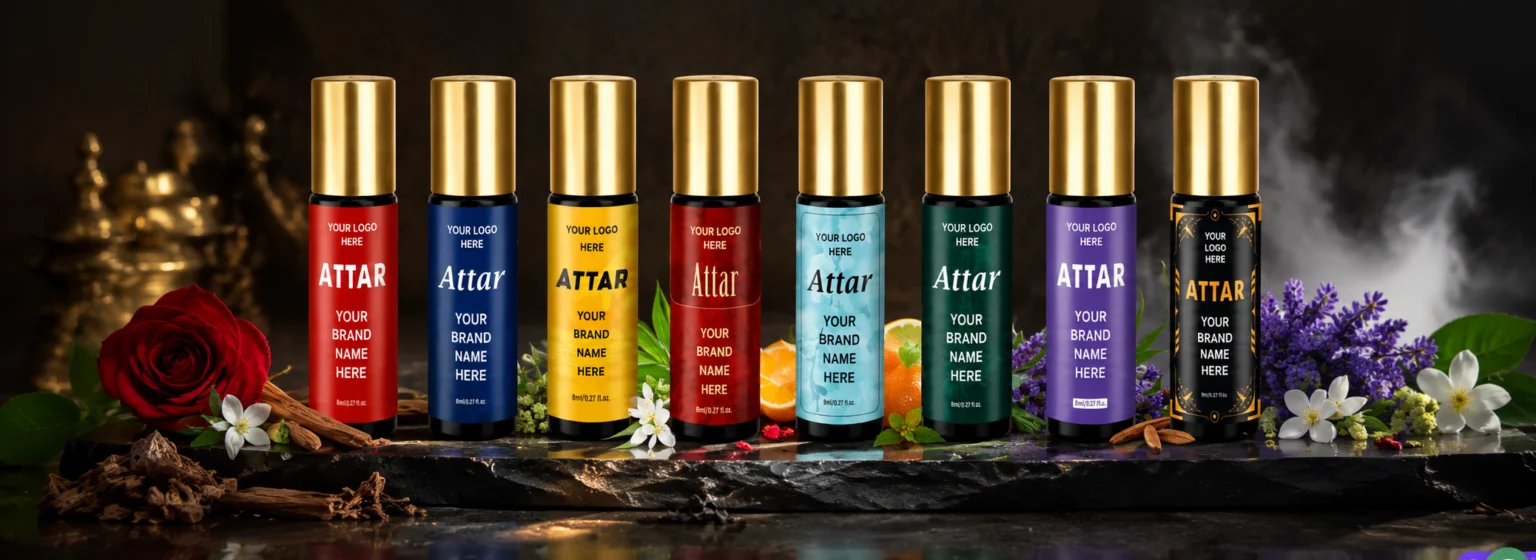
Attar product selection, packaging and supplier planning are important parts of launching a fragrance business.
Attar products are sold through different channels, including perfume shops, local retailers, gifting businesses and online stores. The right approach depends on whom you want to serve and what type of product you intend to offer. A small retailer buying finished products may have different needs from a new brand developing its own labels and packaging. Defining your business model early will make it easier to compare suppliers and estimate the investment required.
Searches such as attar manufacturing in India, attar packaging and private label perfume manufacturing can help you discover potential suppliers and understand the services available. However, search results alone cannot confirm a company's capabilities. Always check product details, ask for written quotations and verify the terms that apply to your specific order.
Quick answer: To start an attar business in India, choose your target customers, research the market, select a suitable product range, calculate your budget, compare attar suppliers or manufacturers, confirm packaging and labelling requirements, and plan sales and inventory. If you want to launch your own brand, ask potential suppliers whether private label services are available and confirm the scope, minimum order quantity, pricing and lead time before committing.
1. Choose Your Attar Business Model
The first step is deciding how you want to participate in the attar market. Your business model affects your starting investment, level of control over branding, supplier relationship and day-to-day responsibilities. There is no single model that suits every entrepreneur, so compare the options with your available budget, experience and customer base.
Retailing Ready-Made Attar Products
In a retail model, you purchase finished products from a supplier and sell them to your customers. This may be suitable if you already operate a shop, have a local customer network or want to test demand before investing in a new brand. You need to assess product selection, purchase price, packaging, stock availability and the supplier's reorder terms.
Wholesale or Distribution
A wholesale business generally focuses on supplying products to retailers, resellers or other commercial buyers. You may need to manage larger orders, price lists, delivery coordination and repeat supply. Before choosing this route, estimate how much inventory you can finance and store, and confirm whether the supplier's minimum order quantities and commercial terms suit your planned scale.
Launching Your Own Private Label Brand
With a private label model, products are offered under your brand identity, subject to the supplier's available services and the applicable product requirements. This route can give you more control over brand presentation, labels and the range you develop, but it may involve additional artwork, packaging, approval and minimum quantity considerations. Ask exactly which parts of the process the supplier will handle.
Start with a Clear Business Goal
Write down what success should look like for your first stage. For example, you may want to test a small product selection with local buyers, supply a few retail stores or build an online fragrance brand. Your goal will help you determine the first order size, marketing effort and amount of money to reserve for future replenishment.
2. Research the Market and Target Customers
Market research helps you avoid choosing products based only on personal preference. Your customers may value different fragrance styles, bottle sizes, packaging designs and price ranges. Before approaching an attar company in India, research the segment you intend to serve and make a list of product requirements you can discuss with suppliers.
Define Your Customer Segment
Potential customers may include perfume shops, gift stores, online fragrance buyers, local retailers, distributors or people looking for traditional fragrance products. Consider their buying habits, preferred price points and reasons for purchasing. If you already have customers from another business, ask which fragrance products they would be interested in rather than assuming demand.
Review Competing Products
Look at products sold by competing brands and retailers. Note the sizes, packaging styles, product descriptions, price positioning and sales channels they use. This research can help you identify a market position, but do not copy another company's brand name, label design or protected content. Aim to develop a distinct and accurate presentation for your own business.
Use Search Data Carefully
Keyword research can reveal how people search for suppliers and packaging. Terms such as attar packaging, attar packaging box, attar company in India and attar manufacturing in India may be useful when planning website content. Search volume is only one signal; it does not guarantee sales or show whether every searcher is a potential customer.
Validate Demand Before Buying in Bulk
Talk to prospective buyers, test interest in product concepts and review enquiries from your intended sales channels. If you are starting from scratch, avoid tying up too much money in a large variety of products before you have evidence of demand. A focused launch can make it easier to learn which products deserve further investment.
3. Select Your Attar Product Range
Your product range should reflect your audience, budget and supplier availability. Attars can vary by fragrance profile, product specification, bottle format and presentation. Do not assume every supplier carries the same range or that a fragrance description guarantees a particular performance. Request product details and samples where available so you can evaluate the options against your business needs.
Choose Fragrance Profiles
Some customers prefer floral, woody, earthy, fresh, sweet or warm fragrance profiles. These broad descriptions can help organise a catalogue, but the actual scent should be assessed directly when possible. Ask suppliers for current product lists, clear descriptions and information about available sizes or variants.
Keep the Initial Range Manageable
Launching with too many products can make purchasing, storage, content creation and sales tracking more complicated. Consider starting with a carefully selected group that matches your customer research. You can expand the range later based on sales, feedback and the availability of suitable products.
Check Product Format and Intended Use
Confirm the exact product being supplied, its intended use, ingredient information and directions. Do not rely solely on a product name, colour or bottle design. Where you plan to sell through a particular channel, check whether the format and product information are appropriate for that channel and market.
Ask for Samples Where Available
Samples can help you evaluate fragrance, packaging and overall presentation before committing to a larger purchase. Ask whether samples are available, whether a fee applies and how the final product specification will be recorded. If you approve a sample, clarify how the bulk order will be matched to that approved specification.
4. Estimate Startup Costs and Set a Budget
The cost of starting an attar business in India varies according to the business model, product selection, order quantity, packaging, marketing and logistics. There is no universal startup figure that applies to every business. Instead of relying on a broad estimate, build a budget from supplier quotations and the costs relevant to your plan.
List the Main Cost Categories
- Initial stock: The cost of the products and quantities you plan to purchase.
- Bottles and packaging: Any separate charges for bottles, caps, labels, boxes, printing or packing.
- Branding and design: Logo, artwork, product photography and other creative work, if required.
- Shipping and handling: Transport, protective packaging, warehousing and delivery costs.
- Sales and marketing: Website expenses, marketplace charges, advertising, promotions and sales materials.
- Business administration: Applicable registrations, accounting, tax and compliance-related expenses.
- Working capital: Money reserved for reorders, unexpected costs and operating expenses while sales develop.
Request a Detailed Quotation
Ask each supplier to quote against the same product, quantity and packaging requirements. Check whether taxes, freight, samples, artwork and customisation are included or charged separately. A low unit price may not represent the lowest overall cost if essential items are excluded from the quotation.
Keep a Reserve for Reorders
Do not spend the entire available budget on the first order. You may need funds to replenish a product that sells well, replace damaged packaging, pay delivery costs or support marketing while you build demand. A realistic reserve can help prevent a promising product from going out of stock before you can reorder it.
Budget tip: Prepare a simple cost sheet with product cost, packaging, applicable taxes, freight, selling expenses and expected selling price. Use actual quotations wherever possible, and update the sheet when any specification or quantity changes.
5. Find an Attar Manufacturer or Supplier in India
Choosing the right supply partner is a key step in launching your business. Search terms such as attar manufacturer in India, attar perfume manufacturers India and wholesale attar suppliers can help you build an initial shortlist. However, some businesses manufacture products, while others source, distribute or trade them. Understand the role of each company before placing an order.
Check the Supplier's Actual Role
Ask whether the company manufactures the product itself, arranges production through another facility or supplies finished products. Clarify who is responsible for the product specification, packaging, quality information and any customisation. These details matter when you need a consistent product or want to develop a brand.
Review Product and Company Information
Read the supplier's product pages and company information, and check whether its contact details and business claims are clear. Where certificates or quality claims are mentioned, request relevant documents and confirm their scope. A general website statement does not automatically prove that every product or process carries a particular certification.
Compare Suppliers on the Same Criteria
Assess product range, sample availability, MOQ, packaging choices, quotation detail, communication and delivery arrangements. Do not select a supplier solely because it appears first in search results or uses the phrase “best attar manufacturer.” The best fit is the company that can demonstrate a suitable offer for your actual requirements.
Research Location-Specific Suppliers Carefully
Some buyers search for an attar manufacturer in Kannauj because the city is associated with traditional perfumery. Location can be a useful starting point for research, but it should not replace supplier verification. Ask about the exact product, business role, packaging, documentation and commercial terms, whether the supplier is in Kannauj or another city.
Keep Important Details in Writing
Before making payment, record the product name, specification, quantity, packaging, price, payment terms, delivery expectations and process for handling issues. Written confirmation helps both sides understand what was agreed and reduces the risk of confusion during fulfilment.
6. Understand Private Label Attar Manufacturing
Private label perfume manufacturing may be relevant if you want to sell fragrance products under your own brand rather than reselling another brand's finished goods. The exact service varies by supplier, so ask whether it offers private label attar products and what the arrangement includes. Do not assume that a company offering bulk products also offers custom branding or formulation.
Decide What You Want to Customise
Prepare a list of requirements before contacting potential partners. You may need your own brand label, a particular bottle style, printed outer packaging or support with artwork. Some projects may use an existing product with custom branding, while others may require additional product development. Confirm which options are actually available for the product you want.
Ask About Minimum Order Quantities
Private label orders may have minimum quantities for the product, bottle, label printing or packaging components. Ask whether the MOQ applies to each fragrance and design or to the total order. If you plan to launch several variants, understand whether each one creates a separate minimum or cost.
Confirm Branding and Artwork Responsibilities
Ask who prepares the artwork, checks label dimensions, arranges printing and approves the final design. Supply your logo and brand details in the requested format, and review a proof before printing. Confirm spelling, product information, net quantity and any required warnings or declarations before authorising production.
Understand the Commercial Agreement
Request a written breakdown of product costs, packaging charges, artwork fees, samples, MOQ, lead time and payment terms. Ask how changes after approval will be handled and whether they can affect cost or delivery. These details are particularly important when a project includes printed materials or customised packaging.
Build a Brand with Accurate Claims
Your brand name, product descriptions and promotional claims should accurately represent the product you sell. Avoid unsupported statements about ingredients, origin, natural content or performance. Check applicable labelling and advertising requirements for your product and target market before launching.
7. Plan Attar Bottle and Box Packaging
Packaging affects product protection, storage, customer experience and brand presentation. Buyers researching attar packaging, attar packaging box or attar box packaging should consider both appearance and practical suitability. The right pack is not necessarily the most elaborate one; it should suit the product, budget, distribution method and expectations of the intended customer.
Choose a Suitable Bottle
Consider bottle size, material, closure, applicator and ease of handling. Ask the supplier which bottle formats are available and whether the selected pack is compatible with the product. If possible, inspect a sample of the complete product rather than approving a bottle based only on a photograph.
Compare Attar Bottle and Box Options
An outer box may provide space for branding and product information and can help protect the bottle during storage and transport. Ask about box dimensions, material, finish, printing options and minimum quantities. Search terms such as attar bottle box and attar box packaging may also help you research packaging suppliers, but confirm specifications directly before ordering.
Plan Label Design and Readability
Labels should be readable at the actual size and should not hide essential product information. Check the brand name, product identity, net quantity, ingredient details, directions and other information required for the product and market. Get the final proof approved by the responsible person before bulk printing.
Calculate the Complete Packaging Cost
Ask whether the quotation includes the bottle, cap, label, printed box, assembly and protective shipping materials. If packaging is sourced separately, include the cost of transport, storage and handling. Compare like-for-like quotes using the same material, dimensions, print specifications and quantity.
Consider Shipping and Storage
Packaging should protect the product during the expected handling and delivery process. Discuss how the supplier packs orders for transport and whether additional protection is needed for online shipments or longer journeys. Also ask about suitable storage conditions and inspect deliveries for visible damage or discrepancies.
8. Check Product Quality, Labels and Documentation
Before selling attar products, understand what you are purchasing and what information supports the product's description. Requirements vary according to the product type and the market where it will be sold. Ask the supplier for relevant product details and check applicable rules with an appropriate compliance professional or authority where needed.
Review Product Specifications
Confirm the product identity, available ingredient information, intended use and any relevant handling instructions. If you are buying more than one fragrance or format, make sure the details are clearly distinguished in the quotation and order records. Avoid relying on a product name alone to identify what will be supplied.
Ask About Available Quality Records
Depending on the product and supplier, relevant information may include specifications, batch details, test reports or other documents. Ask what is available and whether any additional documentation is required for your intended sales channel. If a supplier mentions a certificate, confirm its relevance and scope rather than assuming it covers all products.
Check Labels Before Launch
Product labels and online listings should provide accurate information. Confirm which declarations, ingredient details, directions, warnings or other particulars apply to your product. Do not copy another brand's label or use unsupported claims. For products sold in different markets, verify the requirements for each destination.
Keep Batch and Purchase Records
Retain supplier invoices, approved specifications, product details, batch information where supplied and communication about any product concerns. Good records make it easier to investigate discrepancies, manage reorders and respond to customer questions. Establish a simple process for inspecting incoming stock before it is offered for sale.
9. Set Pricing and Calculate Your Margins
Pricing should account for the total cost of getting the product ready to sell, not just the purchase price. Your selling price also needs to fit the expectations of your customers and the channel through which you sell. Before setting a price, calculate costs for each product format and review the margin available after normal selling expenses.
Calculate Your Total Unit Cost
Include the product, bottle and packaging costs, applicable taxes, freight and any other expenses that can be reasonably allocated to each unit. If you have separate design or setup charges, decide how you will account for them across the planned order quantity. Use a consistent method so you can compare product variants fairly.
Account for Sales Channel Expenses
Online marketplaces, payment processing, delivery, discounts, returns and advertising can affect the amount you retain from each sale. Retail and wholesale channels may also have different margin expectations. Estimate these expenses before deciding whether a product's selling price is commercially workable.
Review Pricing as Costs Change
Packaging prices, shipping charges and supplier quotations can change over time. Review your cost sheet when you reorder or modify a product. If you offer discounts, confirm that the discounted price still covers your costs and fits your business goals.
10. Choose Sales Channels and Promote Your Brand
Your sales channel should match your customers and your ability to fulfil orders. A local shop, retail distribution network, business-to-business sales process and online store each require a different approach. Start with the channels you can manage well and expand when you have a clearer understanding of demand.
Local Retail and Wholesale Sales
If you plan to sell to shops or distributors, prepare a clear product list, price structure, packaging details and order terms. Explain the product accurately and make it easy for buyers to understand available quantities and how to place repeat orders. Follow up professionally and keep a record of enquiries and sales.
Build a Useful Website
A website can explain your brand, display product information and answer common buying questions. Use clear product names, original descriptions, quality images and simple navigation. If your business targets commercial buyers, include a straightforward enquiry route and ask visitors only for information needed to respond to their request.
Use SEO Content Strategically
Useful articles can address questions people ask before buying or starting a fragrance business. Topics related to attar packaging, supplier selection, wholesale purchasing and private label manufacturing can support discovery when they are relevant to your services. Use keywords naturally, link to relevant product or enquiry pages and avoid repeating the same phrase unnaturally throughout this article.
Show Product Details Clearly
Use accurate photographs that show the bottle, label and packaging clearly. Keep product descriptions consistent with the actual item and avoid implying that a particular package, ingredient or service is available unless it has been confirmed. Clear information helps customers make decisions and can reduce misunderstandings after purchase.
11. Plan Inventory, Reorders and Customer Service
Once you begin selling, track which products generate enquiries and orders. Inventory planning helps you balance product availability against the money tied up in stock. Keep records from the beginning, even if your business is small, so that future purchasing decisions are based on actual activity rather than guesswork.
Track Sales by Product
Record units purchased, units sold, current stock, product costs and reorder dates. If you sell through more than one channel, track sales separately where possible. This can help you identify which fragrances or formats deserve attention and which products may be tying up too much capital.
Set Reorder Points
Discuss lead times and availability with your supplier, then decide when to reorder based on stock levels and expected demand. Avoid assuming that every product can be replenished immediately. If a product is important to your business, confirm availability before making strong delivery promises to customers.
Respond to Customer Questions
Prepare accurate answers about product format, size, packaging, use and delivery. If you do not know an answer, confirm it with the supplier rather than guessing. Keep a record of repeated questions and use them to improve your product pages, sales materials and customer support process.
Review Performance Regularly
At regular intervals, compare sales, gross margin, customer feedback, stock levels and marketing expenses. Use what you learn to adjust product selection, reorder quantities and promotions. Growth is easier to manage when decisions are linked to actual results and available working capital.
12. Mistakes to Avoid When Starting an Attar Business
A new business can face avoidable problems when it rushes into purchasing or chooses a supplier without enough information. A careful launch does not remove every risk, but it can help you identify uncertainties before they become expensive.
- Ordering too many variants at once: A large range can increase stock costs before demand is understood.
- Choosing only by lowest price: Compare product details, packaging, included costs and delivery terms as well as price.
- Skipping samples where available: Review the product and packaging against your requirements before approving a larger order.
- Assuming private label is included: Confirm branding, printing, artwork and packaging services separately.
- Ignoring packaging costs: Bottles, caps, labels, boxes and transport can change your total unit cost.
- Using unsupported product claims: Make sure product descriptions and advertising statements are accurate and substantiated.
- Failing to confirm MOQ: Check whether minimum quantities apply per product, fragrance, bottle or design.
- Spending the entire budget on stock: Keep money available for reorders, delivery, marketing and other operating costs.
- Leaving agreements verbal: Keep written records of the final specification, quotation and delivery arrangement.
- Neglecting customer feedback: Use questions, reviews and sales data to improve the range over time.
Before committing to a supplier, review your checklist and resolve any important unanswered questions. If a quotation, product description or delivery promise is unclear, ask for clarification. It is better to take time comparing suitable options than to make a rushed purchase based on assumptions.
13. Explore Attar Manufacturing with UNICO Pharmaceuticals
If you are researching suppliers for an attar-related business, you can start by reviewing the dedicated UNICO Attar Manufacturer in India page. Use the page to explore the information available and then contact the team to confirm current product options, the company's role in the supply process, packaging availability, minimum quantities, pricing and timelines for your specific requirements.
Prepare Your Requirements Before Contacting a Supplier
A useful enquiry should explain what you are trying to achieve. Include your business type, target market, preferred fragrance or product style, approximate quantity and packaging requirements. If you want to sell under your own brand, ask whether private label services are available and specify whether you need labels, boxes, artwork support or other customisation.
Review Company and Certificate Information
For background information, visit the UNICO About Us page. Available documentation can be reviewed through the Certificates page. Check the scope and relevance of any document directly with the company, especially if it is important to your product or sales market.
Explore Related Product Categories
If your wider business also involves personal care products, you can review UNICO's Cosmetics page and Skin & Hair Care Products page. These links provide information about other product categories; confirm the availability and suitability of any specific service directly before planning your range.
Questions to Include in Your Enquiry
- Which attar or fragrance products are currently available?
- What product sizes, bottle formats and packaging options can be discussed?
- What MOQ applies to each product, fragrance or packaging design?
- Are samples available, and what is the approval process?
- Does the company offer private label or custom branding for this project?
- Which label, box printing or artwork services are included, if any?
- What product information and documentation can be provided?
- What costs are included in the quotation, and which are separate?
- What is the estimated timeline after specifications and artwork are approved?
For a direct discussion, visit the UNICO Pharmaceuticals Contact Us page. Share your requirements and ask the team to confirm which options are currently available for your project.
14. Final Checklist Before Launching Your Attar Business
Use this checklist to review your plan before placing an order or launching your first products:
- Define the target customers and business model.
- Research competing products, price points and sales channels.
- Select a manageable initial range based on customer needs.
- Set a budget for stock, packaging, marketing, logistics and working capital.
- Shortlist suppliers and confirm whether they manufacture, source or distribute products.
- Request product information, samples where available and written quotations.
- Confirm MOQ, packaging costs, artwork responsibilities and lead times.
- Check applicable labelling, documentation and market requirements.
- Calculate total unit cost and set a commercially realistic selling price.
- Plan how you will promote the products, handle enquiries and fulfil orders.
- Keep records of approved specifications, purchases, stock and customer feedback.
Starting an attar business in India involves more than selecting a fragrance and buying stock. A clear business model, careful supplier evaluation, suitable packaging, realistic budgeting and accurate product information can help you build a more organised launch plan. Begin with requirements you can verify, make decisions using written details and expand your range as you learn more about your customers.
Planning an Attar or Private Label Project?
Explore UNICO's attar-related information and contact the team to discuss your product requirements, packaging preferences and approximate order quantity.
Explore Attar Manufacturing →Frequently Asked Questions About Starting an Attar Business in India
These answers cover common questions about attar business planning, suppliers, private label options, packaging and initial costs.
1. How do I start an attar business in India?
Choose your business model, research target customers, select a manageable product range, estimate your budget and compare suppliers. Confirm product specifications, MOQ, packaging, pricing and applicable requirements before placing an order.
2. How much investment is needed to start an attar business?
The investment depends on product quantity, packaging, business model, marketing, shipping and other operating costs. Prepare a budget using actual supplier quotations and keep a reserve for reorders and ongoing expenses.
3. How can I find an attar manufacturer in India?
Search for relevant suppliers, review their company and product information, and ask whether they manufacture, source or distribute products. Compare written quotations, product details, packaging options, MOQ and delivery terms before making a decision.
4. What is private label attar manufacturing?
Private label manufacturing is an arrangement in which products are offered under a brand's own identity, subject to the supplier's available services. Confirm whether labels, boxes, artwork, customisation and product supply are included in the proposed arrangement.
5. Can I start my own attar brand?
Yes, you can explore building an attar brand by researching your customers, selecting suitable products and discussing private label or branding options with potential suppliers. Check minimum quantities, packaging costs, product information and applicable requirements before launch.
6. What is the difference between an attar manufacturer and an attar supplier?
A manufacturer produces a product, while a supplier may manufacture, source or distribute it. Some businesses perform more than one role. Ask the company to explain its role and the responsibilities included in your order.
7. What should I check before choosing an attar company in India?
Review the product range, specifications, available documentation, packaging, MOQ, complete pricing, payment terms, delivery timeline and communication. Verify important claims and keep agreed details in writing.
8. How do I choose attar packaging?
Consider bottle size, material, cap or applicator, label readability, outer box, product protection and total cost. Ask the supplier for available formats and check that the packaging suits the product and intended market.
9. What is the difference between attar bottle packaging and attar box packaging?
Bottle packaging holds the product and includes elements such as the bottle, closure and applicator. Box packaging is the outer pack used for presentation, product information and additional protection. Costs and available options vary by supplier and specification.
10. What is the MOQ for private label perfume manufacturing?
There is no universal MOQ. Minimum quantities can depend on the product, fragrance, bottle, label design, printed box and supplier. Ask whether each variant has a separate minimum and request a quotation for your planned quantity.
11. Can I buy attar products wholesale?
Wholesale purchasing depends on the supplier's product range and commercial terms. Ask about available quantities, unit prices, packaging, freight, repeat-order availability and whether the MOQ applies to each fragrance or the complete order.
12. How do I calculate the selling price of attar?
Include the product, packaging, applicable taxes, freight and other costs, then account for selling-channel expenses such as payment fees, delivery, discounts and marketing. Compare the resulting price with customer expectations and your business goals.
13. Should I order samples before buying attar in bulk?
Where samples are available, they can help you assess the fragrance and packaging before a larger order. Ask about sample fees, variants and how the approved product specification will be recorded for the bulk order.
14. How can I promote a new attar business online?
Create a useful website with accurate product descriptions, clear photographs and straightforward contact details. Publish relevant content, use search keywords naturally, maintain consistent product information and track which channels generate genuine enquiries and sales.
15. What documents should I ask an attar supplier for?
Ask for the product information and documentation relevant to the specific item and market. Depending on the product, this may include specifications, ingredient details, batch information or available test reports. Confirm applicable requirements with a qualified professional or relevant authority.
16. Where can I find UNICO's attar-related information?
Visit the UNICO Attar Manufacturer in India page and contact the team to confirm current products, packaging options, services and commercial terms.
17. How do I contact UNICO Pharmaceuticals about my requirements?
Use the UNICO Contact Us page and share your intended product, target market, packaging preferences and approximate quantity so the team can understand your enquiry.
Explore Important UNICO Pharmaceuticals Pages
Use these internal links to learn more about the company and submit a product enquiry.
UNICO Pharmaceuticals Attar Manufacturer in India About Us Certificates Cosmetics Skin & Hair Care Products Contact UsThis article provides general business-planning information and is not legal, tax or regulatory advice. Product availability, supplier roles, private label services, packaging, minimum order quantities, prices and lead times vary by provider and project. Verify details directly with the relevant supplier and check applicable requirements for the product and intended market.