
How to Start Your Own Face Wash Brand in India
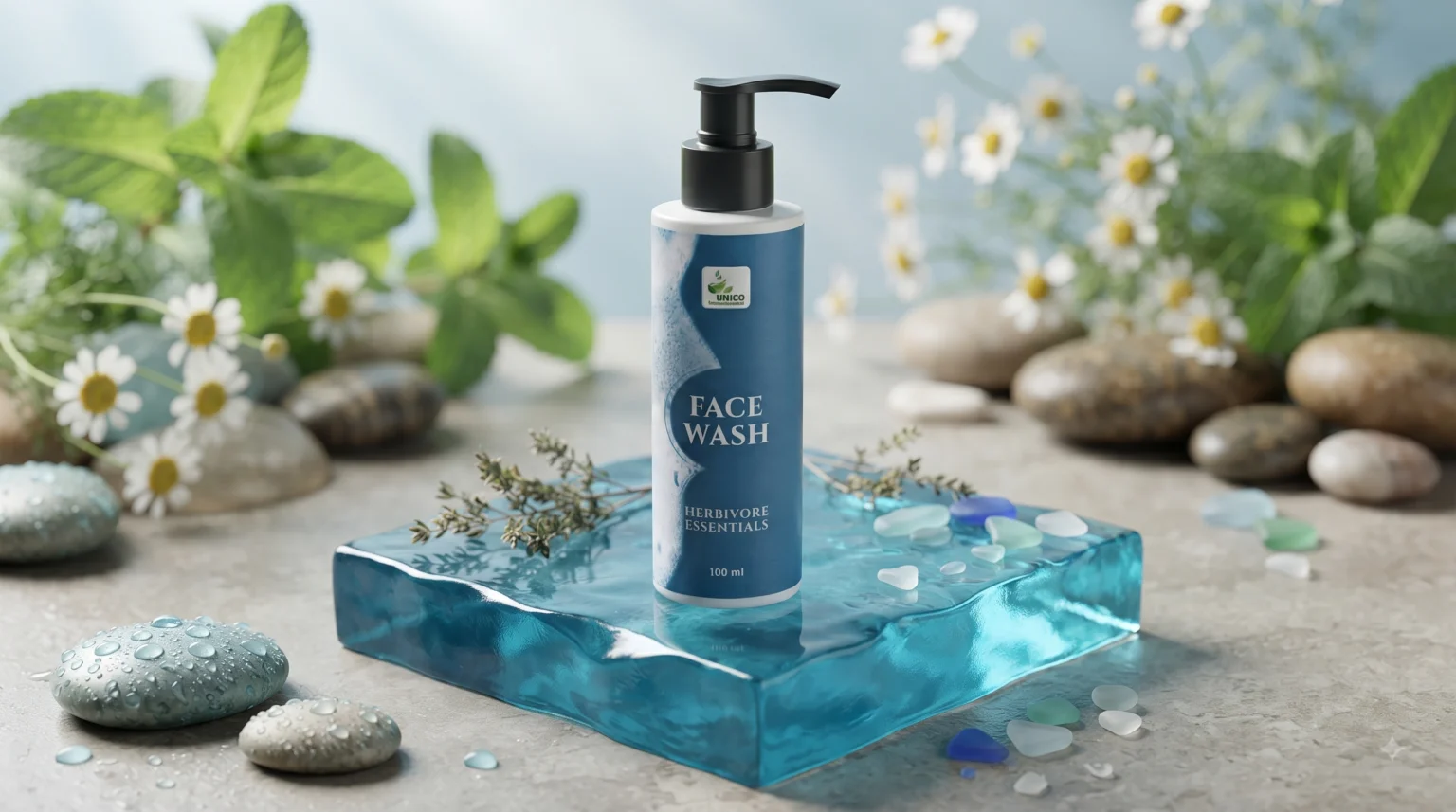
Starting a face wash brand in India can be an opportunity for entrepreneurs, distributors, retailers and established businesses that want to enter the skincare market. Face wash is a familiar personal-care product used by people with different skin types and preferences. However, launching a successful product involves more than selecting a name and putting a label on a bottle. You need a clear target market, a suitable formulation, reliable manufacturing, appropriate packaging and a practical marketing plan.
If you are researching how to start a face wash brand in India, one of your first decisions is whether to manufacture the product yourself or work with an experienced cosmetic manufacturer. For many new brands, private-label or third-party manufacturing can be a practical route because it allows them to explore product development and production without establishing their own manufacturing facility.
Your business plan should also cover product positioning, minimum order requirements, packaging options, regulatory responsibilities, pricing, distribution and customer acquisition. These decisions influence how much capital you need and how efficiently you can introduce your product to the market.
This guide explains the main steps involved in starting a face wash brand, choosing a manufacturing partner, planning your budget and building a product range that fits your business goals.
Quick takeaway: Start with a defined customer group and one clear product concept. Compare private-label and third-party manufacturing options, confirm the product specifications and total costs, and prepare your branding and sales plan before committing to a production order.
Table of Contents
- 1. Understand the Face Wash Market
- 2. Choose a Business and Manufacturing Model
- 3. Decide Your Face Wash Product Concept
- 4. Find the Right Face Wash Manufacturer
- 5. Plan Formulation and Product Quality
- 6. Understand Regulatory and Label Requirements
- 7. Choose Packaging and Branding
- 8. Estimate Your Face Wash Brand Startup Costs
- 9. Calculate Product Pricing and Margins
- 10. Create a Launch and Marketing Plan
- 11. Common Mistakes to Avoid
- 12. Face Wash Brand Launch Checklist
- 13. Private Label Face Wash Manufacturing with Unico
- Frequently Asked Questions
1. Understand the Face Wash Market in India
Before investing in a new product, understand the customers you want to serve. The face wash category includes products developed for different skin types, preferences, price points and usage needs. Trying to appeal to every customer with one product can make it difficult to communicate what makes your brand different.
Start by researching the products already available in your intended market. Review their pack sizes, price ranges, ingredient positioning, packaging styles, customer reviews and retail availability. Look for recurring customer complaints or unmet needs, but validate those observations through research instead of assuming that every trend represents a viable business opportunity.
Identify Your Customer
Decide whether your product is aimed at students, working professionals, families, premium skincare buyers or another clearly defined group.
Study Competitors
Compare competing products, their claims, packaging, prices, customer feedback and distribution channels.
Choose a Price Segment
Define whether you want to compete in an affordable, mid-range or premium segment and plan costs accordingly.
Find a Clear Difference
Build your product concept around a relevant feature, such as skin-type suitability, texture, fragrance or a considered ingredient profile.
Choose a specific market position
For example, you might plan a gentle daily cleanser, a refreshing face wash for oily skin, a hydrating cleanser or a botanical-inspired skincare product. These are product concepts, not guarantees of performance. Any final claims must match the formulation, supporting evidence and applicable regulations.
Search demand can help you understand how customers describe their needs. Keywords such as how to start a skincare brand in India are useful for business research, while searches for specific face wash types can reveal the language consumers use when shopping. For your business, combine keyword research with competitor analysis, customer interviews and sales-channel research.
2. Choose a Business and Manufacturing Model
There is more than one way to launch a face wash brand. Your choice depends on available capital, production experience, desired control over the formulation and the scale at which you want to operate.
Option A: Build Your Own Manufacturing Facility
Setting up a manufacturing facility gives a business greater direct involvement in production. However, it can require significant investment in premises, equipment, qualified personnel, quality systems, utilities, documentation and applicable licences or permissions. You must also plan for maintenance, raw material sourcing, testing, batch records and ongoing operational expenses.
This model may suit businesses with the resources and experience to manage manufacturing operations. For a new brand that wants to test market demand first, the investment and operational responsibilities may be substantial.
Option B: Private Label Face Wash
Private label face wash generally refers to a product manufactured for sale under your own brand name. Depending on the manufacturer's offering, you may be able to choose from available formulations, packaging formats and product variations. The precise level of customization differs between suppliers, so confirm what is included before making a decision.
This model can help entrepreneurs focus on brand development, sales, distribution and customer relationships while an external manufacturer handles the agreed production activities.
Option C: Third-Party Face Wash Manufacturing
With third-party manufacturing, a business engages another manufacturer to produce a product according to agreed requirements. The arrangement may involve an existing formulation or a customized product concept, subject to the manufacturer's capabilities, commercial terms and applicable requirements.
If you are comparing a third-party face wash manufacturer with a private-label supplier, ask for a clear explanation of formulation ownership, customization options, sampling, quality documentation, packaging, minimum order quantity and production timelines.
| Business Model | What It Involves | Important Consideration |
|---|---|---|
| Own manufacturing facility | Managing production infrastructure and operations directly | Higher operational responsibility and setup planning |
| Private label | Selling an agreed manufactured product under your brand | Confirm available formulas, customization and order terms |
| Third-party manufacturing | Outsourcing production according to an agreed arrangement | Check quality processes, documentation and responsibilities |
For entrepreneurs who want to enter the market without immediately setting up their own facility, working with a suitable manufacturer may simplify the production side of the project. You can explore Unico's face wash manufacturing solutions to discuss your product and business requirements.
3. Decide Your Face Wash Product Concept
Before contacting a manufacturer, write down what you want your product to achieve for its intended users. A clear product brief makes discussions about formulation, packaging, pricing and manufacturing much more productive.
Define the intended user
Identify the skin type, age group and general customer needs your product is designed for. Avoid making broad claims such as “suitable for everyone” unless they are appropriate for the final formulation and supported by relevant assessment. A defined target customer makes it easier to develop product messaging and choose suitable sales channels.
Choose the product format
Face wash products may vary in texture, cleansing system, fragrance, appearance and dispensing format. Some are designed around a gel texture, while others may be creamier or have a different consistency. The format should be selected according to the intended product experience, formulation feasibility and customer expectations.
Develop a product brief
Your brief can include the following details:
- Proposed product name and brand positioning.
- Target customer and intended skin type.
- Preferred texture, fragrance and appearance.
- Ingredient preferences or ingredients you want to avoid.
- Desired pack size and packaging type.
- Target retail price and expected sales channels.
- Expected initial order quantity and future demand estimate.
- Required product claims, supporting evidence and documentation.
A detailed brief does not need to be complicated. Its purpose is to help the manufacturer understand your priorities and identify which requests are technically and commercially feasible.
4. Find the Right Face Wash Manufacturer in India
Selecting the right manufacturing partner is one of the most important steps when you start a face wash brand. The manufacturer can affect product consistency, production planning, packaging choices, documentation and your ability to fulfil orders as demand grows.
When searching for a face wash manufacturer in India, compare suppliers using the same criteria rather than choosing only on the basis of the lowest quoted price.
Check manufacturing experience
Ask about the manufacturer's experience with cosmetic and skincare products, the categories it handles and its ability to manage the type of product you want to launch. Relevant experience can make technical discussions more efficient, but you should still verify the supplier's current capabilities and suitability for your project.
Review quality systems and documentation
Ask what quality checks, batch documentation, testing and traceability processes apply to the product. Request relevant facility and certification information, and verify that the documents are current and applicable to the proposed manufacturing arrangement. Do not assume that a single certificate proves every product-specific requirement has been met.
Confirm minimum order quantity
The minimum order quantity, often called MOQ, can vary according to the formulation, packaging components, production setup and manufacturer's policies. Ask whether the MOQ applies to each product, fragrance, pack size or label variation. A low unit price may not be useful if the initial order is too large for your expected demand.
Discuss customization and packaging support
Ask whether the manufacturer can accommodate your preferred formulation, fragrance, colour, viscosity, pack size and label requirements. Clarify which components are standard and which require additional development, sourcing or approvals.
Evaluate communication and production planning
Look for clear answers, documented commercial terms and realistic timelines. Discuss sampling, approval stages, raw material availability, packaging procurement and how changes to the approved specifications will be handled.
Manufacturer selection tip: Compare at least the product specifications, MOQ, sample process, quality documentation, packaging costs, payment terms and expected lead time. Ask for written confirmation before placing a production order.
To explore the available options, visit Unico's Face Wash Manufacturer in India page or use the contact page to discuss your requirements.
5. Plan Formulation and Product Quality
The formulation determines many of the product's characteristics, including cleansing performance, texture, fragrance, appearance, stability and how it feels during use. A successful face wash is not simply a list of popular ingredients. The complete formula must be developed and evaluated as a finished cosmetic product.
Understand the role of ingredients
Different ingredients can serve different purposes in a face wash, such as cleansing, maintaining product consistency, supporting the desired texture or helping protect the formulation. The exact ingredients and their concentrations should be selected by appropriately qualified formulation professionals based on product requirements and compatibility.
If you want a botanical-inspired product or a formulation aimed at a particular skin type, explain the concept to the manufacturer. Ingredient selection must still account for stability, compatibility, safety, sensory performance and the claims you intend to make.
Request samples and evaluate them
Before approving bulk production, ask whether samples are available and how they will be evaluated. Review the texture, spreadability, fragrance, rinsing experience, packaging compatibility and overall user experience. If you intend to make specific performance claims, discuss what testing or evidence may be needed to substantiate them.
Ask about quality checks
Depending on the product and applicable requirements, quality evaluation may include checks relating to appearance, odour, pH, viscosity, microbiological quality, stability and packaging compatibility. The specific testing plan should be determined by the formulation, intended use, applicable standards and the manufacturer's quality procedures.
Ask how approved specifications are recorded and how production batches are checked against them. Consistency matters because customers expect repeat purchases to deliver a comparable product experience.
Do not make unsupported claims
Claims such as “dermatologically tested”, “clinically proven”, “chemical-free”, “100% safe” or “guaranteed acne removal” should not be used casually. Marketing statements must be accurate, appropriate for the product and supported by suitable evidence. Discuss proposed claims with the manufacturer and relevant regulatory professionals before printing packaging or publishing advertisements.
6. Understand Regulatory and Label Requirements in India
Before selling your face wash, determine which legal and regulatory requirements apply to the product and your business model. Requirements can depend on product classification, the manufacturing arrangement, the parties involved and the claims made on the label or in advertising.
Do not assume that outsourcing manufacturing automatically transfers every compliance responsibility to the manufacturer. Establish in writing which party is responsible for manufacturing permissions, product documentation, label review, testing, recordkeeping and any required approvals.
Review the product and business requirements
- Confirm the applicable cosmetic product and manufacturing requirements with the manufacturer and a qualified regulatory professional.
- Verify the relevant licences, permissions and documents for the proposed manufacturing arrangement.
- Review applicable labelling, packaging and consumer information requirements before final artwork approval.
- Check requirements that may apply to the business entity, tax registration, invoicing and selling through your chosen channels.
- Ensure product claims and advertising statements are accurate and supported by appropriate evidence.
- Maintain supplier agreements, purchase records, approved specifications and relevant product documentation.
Review label information carefully
The label may need to display specific information under the rules applicable to the product and package. Depending on the requirements, this can include product identity, ingredient information, net quantity, batch details, manufacturer information, relevant dates, directions for use, warnings and other prescribed declarations.
The exact declarations can vary, so use a compliant label review process rather than relying on a generic online checklist. Finalise the artwork only after the responsible parties have checked the required information.
For information about Unico's background and quality credentials, you can visit the About Us page and the Certificates page. Always confirm that the specific documents and capabilities relevant to your product are applicable to your proposed order.
7. Choose Packaging and Branding for Your Face Wash
Packaging influences how customers recognise your product, understand its benefits and use it every day. It also affects manufacturing cost, storage, shipping and the overall presentation of your brand.
Select a practical packaging format
Depending on the formulation and supplier options, a face wash may be packed in a tube, bottle or another suitable container. Consider ease of dispensing, product protection, portability, leakage risk and compatibility with the formulation. Ask the manufacturer which formats are available and whether any packaging components require separate minimum quantities.
Create a clear brand identity
Your brand name, logo, colour palette, typography and packaging design should work together. The product name should be easy to read, and the main product purpose should be clear without overcrowding the label with too many claims.
Before finalising your design, consider:
- Whether the product looks appropriate for your target price segment.
- Whether the brand name and visual identity are distinct and suitable for use.
- Whether the label remains readable on the selected pack size.
- Whether all required declarations fit into the approved artwork.
- Whether the packaging is compatible with the product and supply chain.
- Whether the same identity can be extended to future skincare products.
Plan packaging costs early
Packaging costs can include the container, cap or pump, label, carton, printing, design work and setup charges where applicable. Custom colours, printed components or specialised packaging may change the minimum order quantity and lead time. Obtain a detailed quote rather than comparing only the formula cost per unit.
8. How Much Does It Cost to Start a Face Wash Brand in India?
The cost of starting a face wash brand in India depends on the business model, formulation, order quantity, packaging, branding, compliance work and marketing plan. There is no single amount that applies to every new brand.
A business using an existing private-label formulation may have a different cost structure from a brand requesting extensive customization. Setting up your own manufacturing facility is a separate investment category and involves additional infrastructure and operational expenses.
Understand the main cost components
| Cost Component | What to Include | What to Ask |
|---|---|---|
| Product manufacturing | Production charges and agreed formulation costs | What is included in the quoted unit price? |
| Sampling and development | Samples, development work and any applicable revisions | Are sample or development charges separate? |
| Packaging | Containers, caps, labels, cartons and printing | Are packaging costs included or charged separately? |
| Compliance and testing | Applicable reviews, tests and documentation | Which party arranges and pays for each requirement? |
| Branding | Logo, artwork, product photography and design | What work is required before production? |
| Marketing | Website, content, advertising and launch promotions | What budget is needed to reach the target customer? |
| Distribution | Shipping, storage, retailer margins and fulfilment | What are the costs of reaching each sales channel? |
Ask for a detailed manufacturing quotation
When contacting a private label face wash manufacturer, share your target pack size, product concept, expected quantity, packaging preference and customization needs. Request a written quotation that separates the main cost components wherever possible.
Confirm whether taxes, freight, packaging, artwork, testing, sampling and other charges are included. Ask about payment terms, production lead times and the validity period of the quotation. This makes it easier to compare different manufacturers fairly.
Plan for working capital
Your budget should cover more than the initial production order. You may need funds for product samples, website development, product photography, launch promotions, storage, shipping and future inventory. Keep a contingency for unexpected costs and avoid committing your entire budget to stock before you have a realistic sales plan.
Budget tip: Ask manufacturers for their current MOQ and quotation based on your actual specifications. Do not use an estimated online cost as a final business budget without obtaining supplier quotes and accounting for marketing and distribution expenses.
9. Calculate Your Selling Price and Profit Margins
Setting a retail price requires more than adding a markup to the manufacturing cost. You need to consider the complete cost of getting the product to the customer and the margin required by your business and sales partners.
Start by calculating the landed cost per unit. This may include the manufacturing price, packaging charges not already included, freight, applicable taxes, storage and other costs associated with getting stock ready for sale. Avoid counting the same expense twice if it is already included in the manufacturer's quotation.
Include channel-related expenses
If you sell through distributors, retailers, online marketplaces or your own website, each channel can have a different cost structure. Consider commissions, retailer margins, payment processing, shipping, promotional discounts, returns and customer acquisition costs where applicable.
For example, a product that appears profitable when sold directly may deliver a different margin when supplied through multiple distribution partners. Prepare separate calculations for each channel before setting your final selling price.
Use a simple pricing worksheet
- Manufacturing and packaging cost per unit.
- Freight, storage and other landed costs.
- Taxes and channel charges, as applicable.
- Distributor or retailer margin where relevant.
- Marketing and customer acquisition allowance.
- Expected selling price and contribution after variable costs.
Test your pricing assumptions against competitor prices and your target customer's expectations. The lowest price is not always the best positioning, and a premium price needs a clear value proposition. Your price should support both customer acceptance and the long-term financial needs of your business.
10. Create a Launch and Marketing Plan
Once your product, manufacturing arrangement and packaging are taking shape, prepare a launch plan. A good launch connects product availability with a clear message and a reliable way for customers to buy or enquire.
Build a professional online presence
Create a website or product landing page that explains the product's intended use, key features, pack size, directions, ingredient information and relevant warnings. Use clear product photography and make the purchase or enquiry process easy to follow. Ensure all claims match the approved product information.
For brands selling to businesses rather than directly to consumers, a separate B2B page can explain manufacturing requirements, private-label options and the process for requesting a quotation. If your business is still developing its product, use a lead form to collect relevant enquiries and follow up with prospective partners.
Use SEO to attract relevant visitors
Search engine optimization can help customers discover your product and business through useful content. Build pages around the needs of your audience rather than repeating the same keyword in every paragraph.
For a face wash brand, relevant content could include choosing a cleanser for a particular skin type, understanding product ingredients, comparing face wash formats and explaining how to use the product. Make sure any skincare guidance is accurate, balanced and consistent with the product's intended use.
If you are researching manufacturing partners for your brand, use a dedicated commercial page such as Unico's face wash manufacturer page to explore manufacturing information and discuss requirements.
Plan social media and product content
Prepare a consistent set of product photographs, short videos, usage instructions and brand messages. Content should help customers understand the product rather than relying only on promotional claims. Customer feedback can inform future content, but obtain appropriate permission before using reviews, photographs or testimonials.
Choose your sales channels
You might begin with your own website, selected retailers, distributors, online marketplaces or another channel that suits your target customer. Each option has different requirements for pricing, inventory, fulfilment, product information and customer service. Start with a manageable plan and expand after evaluating actual performance.
Measure results after launch
Track sales, enquiries, repeat purchases, customer feedback, website conversion rates and marketing costs. For paid advertising, monitor whether the campaign generates relevant customers at an acceptable cost. Use the data to improve your messaging, channel selection, pricing and inventory planning.
11. Common Mistakes to Avoid When Starting a Face Wash Brand
1. Launching without customer research
A product idea may sound attractive, but demand needs to be validated. Research competitors, talk to prospective buyers and define the problem your product is intended to address before committing to a large order.
2. Choosing a manufacturer only on price
A low quotation does not tell you everything about formulation suitability, quality systems, packaging, communication or production consistency. Compare the complete offer and verify the relevant capabilities before making a decision.
3. Ignoring the MOQ
An order that is too large can tie up cash in inventory, while an order that is too small may not meet the supplier's requirements. Discuss quantity options and calculate whether the order fits your forecast and available working capital.
4. Finalising artwork before confirming requirements
Packaging artwork may need revisions if product specifications, label declarations or container dimensions change. Confirm the product details and applicable labelling requirements before approving the final design for printing.
5. Making unsupported product claims
Claims can create consumer expectations and compliance risks. Use accurate language and ensure that any performance statements are appropriate for the product and supported by relevant evidence.
6. Forgetting distribution and marketing costs
Manufacturing is only one part of the business. Your financial plan should also cover storage, shipping, channel margins, promotional activity and the resources needed to serve customers.
7. Launching too many products at once
Starting with several variants can increase complexity in formulation, packaging, inventory and marketing. Consider validating one well-defined product concept first, then expand based on customer feedback and business performance.
12. Face Wash Brand Launch Checklist
Use this checklist to organise the major tasks before placing your first production order.
Business Planning
Define the target customer, market position, sales channel, budget and initial demand estimate.
Product Development
Prepare the product brief, discuss formulation options, review samples and agree on specifications.
Manufacturer Selection
Compare supplier capabilities, MOQ, quotation, quality documentation, communication and timelines.
Packaging and Compliance
Confirm packaging, review label information, clarify responsibilities and approve final artwork.
Financial Planning
Calculate landed cost, channel margins, launch expenses, working capital and future reorder needs.
Launch Preparation
Prepare product content, sales channels, customer support, inventory planning and performance tracking.
13. Step-by-Step Process to Launch Your Face Wash Brand
After the initial research, follow a documented process so that each major decision is completed before the next one creates additional cost.
Research the Market
Identify your intended customer, review competing products and select a realistic price segment.
Write Your Product Brief
Record the product concept, preferred texture, ingredient preferences, pack size, target quantity and positioning.
Contact Suitable Manufacturers
Share the same brief with potential suppliers and compare their capabilities, MOQ, quotations and timelines.
Review Samples and Specifications
Evaluate the product experience, agree on specifications and discuss any required testing or revisions.
Finalise Packaging and Documentation
Confirm the container, label artwork, product information and applicable compliance responsibilities.
Approve the Commercial Terms
Review the final quotation, quantities, payment terms, production plan and delivery arrangements in writing.
Prepare Your Sales Channels
Develop product pages, photography, marketing content, distribution plans and customer support processes.
Launch and Improve
Monitor customer feedback, sales performance and marketing results, then use the findings to plan future orders.
14. Private Label Face Wash Manufacturing with Unico Pharmaceuticals
If you want to launch a skincare product under your own brand, choosing a suitable manufacturing partner can help you organise the production process. Unico Pharmaceuticals has more than 35 years of manufacturing experience and operates a GMP-certified facility. Businesses can discuss their cosmetic product requirements and determine whether the available manufacturing options fit their project.
When approaching a manufacturer, it helps to share a clear brief instead of requesting only a general price. Include your target market, product concept, expected quantity, packaging preference and any specific customization requirements. This gives the manufacturer a more useful starting point for discussing feasibility and commercial terms.
What to discuss with a face wash manufacturer
- Your proposed face wash type and target customer.
- Whether an existing formulation or a customized concept is required.
- Available packaging formats and pack sizes.
- Minimum order quantity for your product and packaging selection.
- Sampling, product evaluation and approval steps.
- Applicable quality checks and supporting documentation.
- Label artwork, branding and packaging responsibilities.
- Quotation, payment terms and estimated production timeline.
You can learn more about Unico's broader cosmetic manufacturing solutions and explore the Skin & Hair Care range for related product categories.
For background information, visit the About Us page. You can also review the available information on the Certificates page. Confirm the specific documentation, production options and terms relevant to your proposed product before proceeding.
Planning to Launch Your Own Face Wash Brand?
Discuss your face wash product concept, private-label requirements, packaging preferences and expected order quantity with Unico Pharmaceuticals.
Explore Face Wash Manufacturing15. Final Thoughts
Starting your own face wash brand in India requires a combination of market research, product planning, manufacturing decisions, financial preparation and effective marketing. A clear product concept helps you define what you want to offer, while a detailed brief helps potential manufacturers understand your expectations.
Private-label and third-party manufacturing can be options for businesses that want to sell a face wash product under their own brand without immediately setting up a manufacturing facility. Before choosing a supplier, compare product capabilities, quality systems, MOQ, packaging, documentation, pricing and production timelines.
Plan your budget around the complete business rather than the manufacturing quote alone. Include branding, compliance, shipping, marketing and working capital. Once your product is ready, measure customer response and sales performance so that future decisions are based on real results.
If you are ready to explore your options, visit Unico Pharmaceuticals' Face Wash Manufacturer in India page or contact the team to discuss your business requirements.
Frequently Asked Questions About Starting a Face Wash Brand in India
1. How do I start my own face wash brand in India?
Start by researching the market, defining your target customer, selecting a product concept, estimating your budget and comparing manufacturing options. Then finalise the formulation, packaging, applicable compliance requirements, pricing and sales plan before launching.
2. How to start a skincare brand in India with a manufacturer?
Prepare a product brief and contact suitable cosmetic manufacturers. Discuss formulation options, samples, MOQ, packaging, documentation, costs and timelines. Confirm the responsibilities of each party and approve the final specifications before production.
3. What is private label face wash?
Private-label face wash is a product manufactured for sale under a business's own brand. Depending on the supplier, a brand may select from available formulations or discuss customization, packaging and other product requirements.
4. What is the difference between private-label and third-party face wash manufacturing?
The terms can overlap. Private label usually focuses on selling a manufactured product under your brand, while third-party manufacturing describes outsourcing production to another manufacturer. Ask each supplier to explain its exact service, customization options and responsibilities.
5. How much does it cost to start a face wash brand in India?
The cost depends on the formulation, MOQ, packaging, sampling, branding, testing, compliance, distribution and marketing. Request current quotations based on your product specifications and prepare a separate budget for business and launch expenses.
6. What is the minimum order quantity for private-label face wash?
MOQ varies by manufacturer, formulation, packaging format and order requirements. Ask whether the quantity applies to each product, pack size or variant and confirm the terms in writing before committing to an order.
7. Can I start a face wash brand without my own factory?
You may be able to use a private-label or third-party manufacturing arrangement instead of setting up your own factory. You still need to establish the applicable business, product, labelling and compliance responsibilities for your specific arrangement.
8. How do I choose the right face wash manufacturer in India?
Compare relevant manufacturing experience, quality systems, documentation, formulation capabilities, packaging options, MOQ, pricing, production timelines and communication. Verify that the supplier can meet the requirements of your particular product.
9. Can I customize the formulation of my face wash?
Customization depends on the manufacturer's capabilities, formulation feasibility, ingredient availability, order quantity and commercial terms. Share your product brief and discuss what changes are possible, along with sample evaluation and any required testing.
10. How long does it take to launch a face wash brand?
The timeline varies according to formulation development, sampling, revisions, packaging procurement, label review, production scheduling and applicable requirements. Ask the manufacturer for a project-specific estimate after the product brief is reviewed.
11. What packaging is suitable for a face wash product?
Suitable packaging depends on the formulation, dispensing needs, target price, customer preferences and product compatibility. Tubes and bottles are common options, but you should confirm the available formats and packaging requirements with the manufacturer.
12. Do I need to check regulatory requirements before selling face wash?
Yes. Determine the applicable product, manufacturing, labelling and business requirements before sale. Clarify which responsibilities belong to your business and which belong to the manufacturer, and seek qualified regulatory advice where needed.
13. How should I price my face wash product?
Calculate the full landed cost per unit and include applicable taxes, shipping, channel margins, marketing, fulfilment and other expenses. Compare your proposed price with competitor products and your target customer's expectations before finalising it.
14. How can I market a new face wash brand?
Build a clear brand identity, prepare accurate product content and choose suitable sales channels. Use SEO, social media, retail partnerships or paid advertising where appropriate, then monitor sales, customer feedback and acquisition costs to improve the launch plan.
15. Can a startup work with a private-label face wash manufacturer?
A startup can explore private-label manufacturing if its product requirements, expected quantity, budget and business arrangement match the manufacturer's offering. Confirm the MOQ, commercial terms, documentation and production capabilities before proceeding.
16. What should I ask before placing my first manufacturing order?
Ask about the final formulation, sample approval, specifications, MOQ, itemised quotation, packaging, quality checks, required documents, payment terms, production timeline, delivery and how product changes will be managed.
17. Where can I find a face wash manufacturer in India?
You can research cosmetic manufacturers online, compare their capabilities and contact shortlisted suppliers with your product brief. Visit Unico Pharmaceuticals' Face Wash Manufacturer in India page to explore its offering and discuss your requirements.
18. Does Unico Pharmaceuticals offer cosmetic manufacturing support?
Unico Pharmaceuticals has more than 35 years of manufacturing experience and a GMP-certified facility. Businesses can contact the team to discuss their cosmetic product requirements, manufacturing options and the suitability of the available services for their project.
Face Wash Manufacturer in India | Skin & Hair Care Products | Cosmetic Manufacturing | About Unico Pharmaceuticals | Certificates | Contact Us