
How to Use Hair Conditioner Correctly for Better Hair Care
Knowing how to use hair conditioner correctly is an important part of a simple and effective hair care routine. Conditioner helps improve softness, smoothness and manageability after shampooing. However, the right application method, amount of product and frequency of use can vary depending on your hair type and the conditioner you choose. In this guide, learn how to apply hair conditioner, how to use shampoo and conditioner together, how to condition dry or curly hair, and how leave-in conditioner differs from a regular rinse-out product.
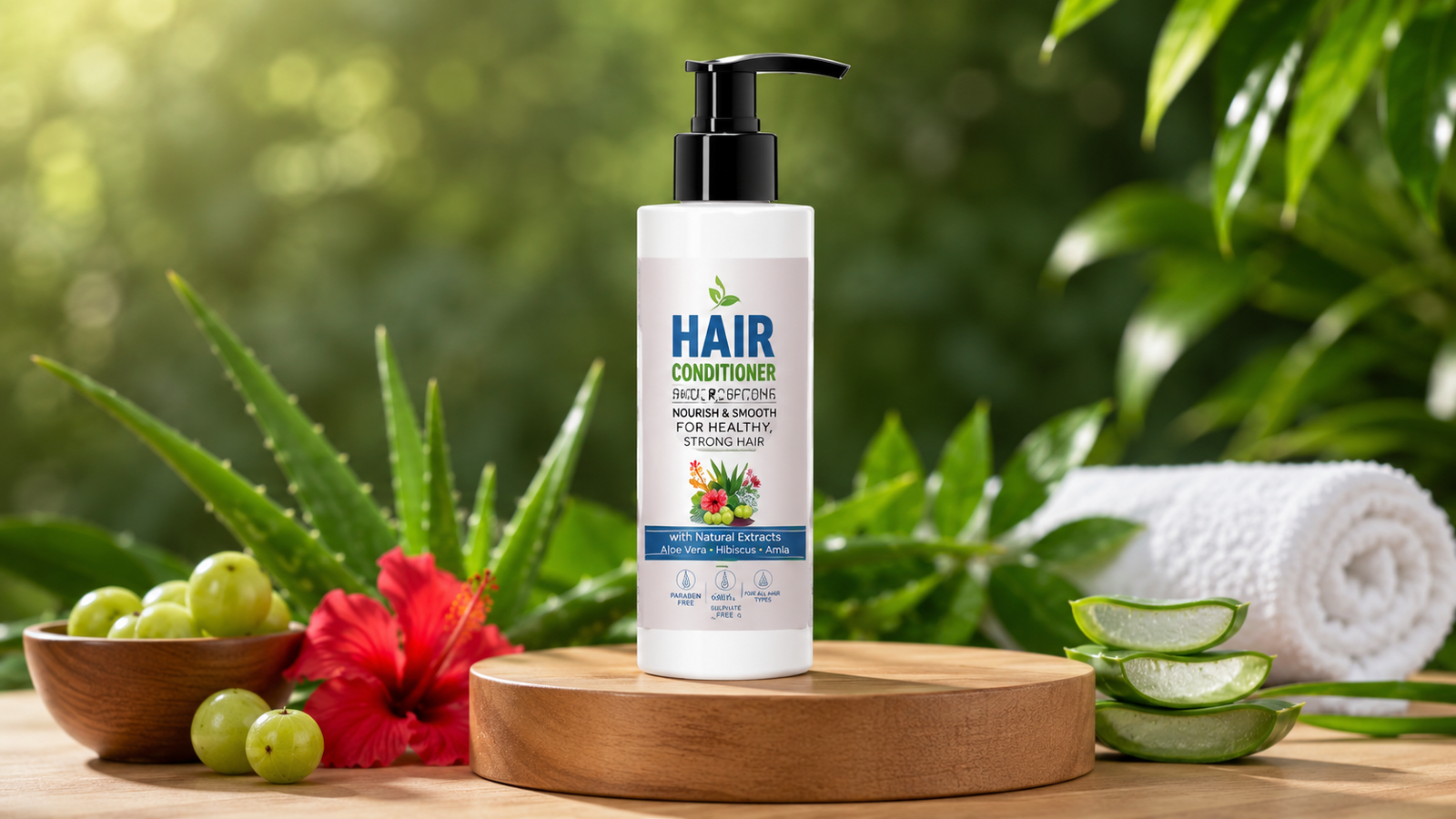
A hair care routine starts with choosing a suitable shampoo and conditioner and applying each product correctly.
Many people use conditioner after shampooing but may not know how much to apply, where to distribute it or how long to leave it on. Applying too little may not provide the desired conditioning effect, while using a heavy product near the roots can leave some hair types feeling flat or greasy. The goal is to select a product suited to your hair and follow its label directions.
Whether you have straight, wavy, curly, thick, fine or dry hair, a few simple steps can help make conditioning more consistent. This article explains the process in practical terms, including common mistakes, different conditioner types and answers to frequently asked questions.
Quick answer: For a regular rinse-out conditioner, shampoo your hair first, rinse thoroughly, gently squeeze out excess water, apply conditioner mainly to the mid-lengths and ends, leave it on for the time stated on the label, and rinse well. Adjust the amount and application method to your hair type and the product instructions.
1. What Is Hair Conditioner and Why Is It Used?
Hair conditioner is a hair care product designed to improve the feel and manageability of hair. Depending on the formulation, it can help make strands feel softer, reduce friction during combing, improve smoothness and make detangling easier. Conditioner is commonly used after shampooing because cleansing can leave some hair types feeling rough or tangled.
Hair strands have an outer layer called the cuticle. When the hair surface becomes rough or the strands rub against one another, hair may feel tangled and difficult to comb. Conditioning ingredients can help the strands glide more easily, making everyday grooming more manageable. The result depends on the product, your hair condition and how you use it.
What Are the Main Benefits of Conditioner?
- Improved softness: Conditioner can help hair feel smoother and softer after washing.
- Easier detangling: It can reduce friction and help a comb move through the lengths more easily.
- Better manageability: Conditioned hair may be easier to style and maintain.
- Reduced friction: A suitable conditioner can help reduce mechanical stress caused by combing and grooming.
- Support for dry-feeling hair: Some formulas help hair feel more moisturised and less rough.
- Smoother appearance: Conditioning may improve the appearance of frizz and flyaways, depending on the hair type and formulation.
Conditioner does not permanently repair split ends or reverse all forms of hair damage. It can improve the feel and appearance of the hair, but damaged ends may still need trimming. Choosing realistic expectations helps you build a practical routine rather than relying on a single product to solve every hair concern.
Why Is Conditioner Usually Applied After Shampoo?
Shampoo is primarily used to cleanse the scalp and hair by removing excess oil, sweat, dirt and product residue. Conditioner serves a different purpose: it helps improve the feel and manageability of the hair lengths. Using both products in the correct order allows each to perform its intended role.
For more product-selection guidance, read the UNICO article on the best shampoo and conditioner for dry hair.
2. How to Use Hair Conditioner Step by Step
If you are wondering how to apply hair conditioner correctly, the process is straightforward. The following steps describe a typical rinse-out conditioner routine. Always follow the directions on your specific product because application and contact time can vary.
Step 1: Wet Your Hair Thoroughly
Begin by wetting your hair with lukewarm water. Make sure the scalp and lengths are thoroughly wet before applying shampoo. Very hot water may make the washing experience uncomfortable and can leave some hair feeling drier, so a comfortable temperature is generally preferable.
Step 2: Cleanse Your Hair With Shampoo
Apply an appropriate amount of shampoo and gently massage it into the scalp with your fingertips. Avoid scratching the scalp with your nails or aggressively rubbing the lengths together. Rinse thoroughly so that the shampoo does not remain in your hair.
The amount of shampoo you need depends on your hair length, scalp oiliness, styling products and washing frequency. Follow the product instructions and adjust your routine according to how your scalp and hair feel.
Step 3: Remove Excess Water
After rinsing your shampoo, gently squeeze excess water from the hair. You do not need to make your hair completely dry. Removing excess water can help prevent the conditioner from becoming overly diluted and makes it easier to distribute the product through the lengths.
Step 4: Apply Conditioner to the Appropriate Areas
Take a small amount of conditioner into your palm and spread it between your hands. Apply it through the mid-lengths and ends, where tangles, dryness and roughness are often more noticeable. Use your fingers to distribute it evenly instead of concentrating all the product in one place.
People with very short hair may need only a small amount. Longer or thicker hair may require more product to cover the lengths. If your hair is fine or your scalp becomes oily quickly, avoid applying a rich rinse-out conditioner directly to the roots unless the product specifically recommends it.
Step 5: Gently Detangle Your Hair
While the conditioner is on your hair, gently separate tangles with your fingers or a suitable wide-tooth comb if the product directions allow it. Start near the ends and work gradually upward. Avoid pulling hard through knots, as wet hair can be more vulnerable to mechanical damage.
Step 6: Leave It On as Directed
Allow the conditioner to remain on your hair for the time recommended on the packaging. Some everyday conditioners are designed for brief application, while certain intensive treatments may require a different amount of time. Leaving a rinse-out conditioner on for much longer than directed does not automatically make it more effective.
Step 7: Rinse Thoroughly
Rinse your hair well with water, making sure the product is removed according to the label instructions. Hair should feel manageable rather than coated with a heavy residue. If your hair feels flat or greasy after washing, you may be using too much product or a formula that is too rich for your hair type.
Step 8: Dry Your Hair Gently
Use a soft towel to blot or squeeze out water instead of rubbing your hair vigorously. Detangle carefully and use heat styling tools only when needed. If you use a leave-in product or heat protectant, select one intended for that purpose and follow its instructions.
Remember: Apply regular rinse-out conditioner mainly to the hair lengths, distribute it evenly, follow the recommended contact time and rinse as directed. The best amount depends on your hair and the specific formula.
3. How to Use Shampoo and Conditioner Together
Using shampoo and conditioner together can help you cleanse your scalp while keeping the hair lengths manageable. The products have different functions, so the usual order is shampoo first and conditioner second.
The Correct Order for Washing Hair
- Wet your hair thoroughly with lukewarm water.
- Apply shampoo to the scalp and massage gently.
- Rinse the shampoo completely.
- Squeeze out excess water from your hair.
- Apply conditioner to the lengths and ends as directed.
- Leave the product on for the recommended time.
- Rinse thoroughly and dry your hair gently.
Should You Use Shampoo and Conditioner Every Day?
There is no single washing schedule that works for everyone. Some people with oily scalps prefer frequent washing, while others with dry, curly or textured hair may find that washing less often suits them better. Exercise, climate, sweat, styling products and scalp condition can also influence how often you wash.
Choose a shampoo and conditioner based on your needs rather than assuming that all hair types need the same routine. If your scalp becomes irritated, persistently itchy or unusually flaky, consider professional advice instead of repeatedly changing products without understanding the cause.
Can You Use Conditioner Without Shampoo?
Yes, conditioner can be used without shampoo in some situations, depending on the product and your hair care routine. However, ordinary conditioner is not a replacement for shampoo when you need to remove significant oil, dirt or styling-product buildup from the scalp.
Some products are specifically designed for cleansing without traditional shampoo, but their instructions differ from those of standard conditioners. Check the product label before changing the normal washing order.
4. How Much Conditioner Should You Use?
The right quantity depends on hair length, thickness, texture, dryness and the consistency of the formula. There is no universal measurement that suits every person. Start with a modest amount, distribute it through the lengths and add a little more only if necessary.
| Hair Type or Length | Practical Starting Point | What to Consider |
|---|---|---|
| Short hair | A small amount | Focus on the strands that need conditioning without overloading the roots. |
| Medium-length hair | A moderate amount | Spread the product evenly through the mid-lengths and ends. |
| Long hair | Enough to cover the lengths | Work in sections if needed to avoid leaving areas untreated. |
| Thick or curly hair | Adjust according to density and dryness | Use your fingers to distribute the product carefully through the strands. |
| Fine or oily hair | Start with less | A lighter formula may help prevent a flat or weighed-down feel. |
| Dry or damaged-feeling hair | Use the amount recommended on the label | A suitable richer conditioner may improve softness and detangling. |
How Often Should You Apply Conditioner?
Many people use a rinse-out conditioner after each shampoo wash. Whether this is suitable for you depends on the formula and your hair. If your hair feels soft and manageable without excessive residue, your routine may be working well. If it becomes heavy, limp or greasy, reduce the quantity or consider a lighter product.
Conditioning needs can also change with the seasons, water conditions, hair treatments and styling habits. Review your routine occasionally instead of assuming the same quantity and product will always be ideal.
5. How to Condition Different Hair Types
Understanding your hair type can help you decide how much conditioner to use and where to apply it. A product that feels comfortable on thick, dry hair may feel too heavy on fine hair. The goal is to find a balance between manageability and a clean, lightweight finish.
How to Use Conditioner for Curly Hair
Curly hair can be prone to tangling and may feel dry along the lengths. If you are learning how to use conditioner for curly hair, choose a formula suited to your texture and follow the directions carefully.
- Apply conditioner evenly to the lengths and ends.
- Separate tangles gently with your fingers or a suitable wide-tooth comb.
- Avoid forceful brushing through knots.
- Consider a leave-in product if it is suitable for your curl type and routine.
- Use enough product for even coverage without automatically applying excessive amounts.
Some people with curly hair prefer richer formulas, while others find lightweight products easier to manage. Experiment carefully with products designed for your hair type and assess how your hair feels after drying.
How to Condition Dry Hair
Dry-feeling hair may benefit from a conditioner designed to improve softness, smoothness and detangling. Concentrate on the mid-lengths and ends, where dryness is often most noticeable. Avoid aggressive towel drying and excessive heat styling, which can contribute to roughness and breakage.
For more guidance, explore the guide to the best shampoo and conditioner for dry hair. It can help you understand why matching cleansing and conditioning products to your hair needs is important.
How to Use Conditioner for Fine Hair
Fine hair can become weighed down by heavy products. Start with a small quantity and focus on the ends rather than coating the scalp. A lightweight conditioner may be a better fit if your hair loses volume quickly after washing.
Rinse thoroughly and notice how your hair behaves once it is dry. If it feels coated or looks flat, try reducing the amount or selecting a lighter formula.
How to Condition Thick Hair
Thick hair may require more product to distribute conditioner across all the lengths. Divide the hair into sections and apply the product evenly. Work gradually through the ends, where tangles can be more difficult to remove.
Do not assume that using a very large amount will always give better results. Even distribution and the suitability of the formulation are more important than quantity alone.
How to Use Conditioner for Men
The basic method for men is the same as for anyone else: shampoo when appropriate, apply a suitable conditioner to the hair lengths and rinse according to the label. Hair length, texture, scalp oiliness and styling habits matter more than gender when choosing a product.
If you have short hair, you may need less conditioner than someone with long hair. If your hair is dry, curly or frequently heat-styled, a suitable conditioning product may still be useful. Avoid applying a heavy product to the scalp if it leaves your hair greasy or uncomfortable.
6. How to Use Leave-In Conditioner
Leave-in conditioner is different from a regular rinse-out conditioner. It is designed to remain on the hair after application rather than being rinsed away immediately. Depending on its formulation, it may help improve detangling, smoothness and manageability between washes.
Step-by-Step Leave-In Conditioner Application
- Read the label: Check whether the product should be applied to damp hair, dry hair or both.
- Start with a small amount: You can usually add more if needed, but excessive product may weigh hair down.
- Distribute through the lengths: Apply evenly to the areas that need extra conditioning, following the product directions.
- Detangle gently: Use your fingers or a suitable comb to separate knots without pulling forcefully.
- Style as desired: Allow the product to remain in the hair as directed and continue with your usual routine.
Can You Use Leave-In Conditioner Every Day?
Frequency depends on the product, your hair type and how your hair responds. Some leave-in conditioners are suitable for frequent use, while others may be better used less often. Follow the instructions and reduce the amount or frequency if your hair begins to feel coated or heavy.
Can You Apply Leave-In Conditioner to Dry Hair?
Some leave-in products can be applied to dry hair, while others are intended mainly for damp hair. Check the label rather than assuming all formulas work in the same way. When applying a product to dry hair, begin with a small amount and distribute it carefully.
Can You Use Rinse-Out and Leave-In Conditioner Together?
They can be used in the same routine if both products are suitable for your hair. A rinse-out conditioner is applied after shampooing and rinsed away, while a leave-in product remains on the hair according to its instructions. Start with modest quantities to avoid buildup or a heavy finish.
7. How and When to Apply Conditioner
Knowing how and when to apply conditioner can make your routine easier to follow. For a standard rinse-out product, the usual time is after shampooing. Other conditioner types may have different instructions, so check whether the product is intended for use before shampooing, after shampooing or between washes.
After Shampoo: How to Use Conditioner
After shampooing, rinse your hair and gently squeeze out excess water. Apply the conditioner to the lengths and ends, distribute it evenly and leave it on for the recommended period. Rinse thoroughly unless the product specifically says otherwise.
Should Conditioner Be Applied to Wet or Dry Hair?
Regular rinse-out conditioner is generally used on wet hair after shampooing. Leave-in conditioners may be designed for damp hair, dry hair or both. Intensive treatments and pre-shampoo products may have their own application methods.
The packaging is the best guide because formulas differ. Using a product in a way that conflicts with its instructions may affect the experience or intended performance.
Should Conditioner Touch the Scalp?
For many conventional rinse-out conditioners, applying the product mainly to the mid-lengths and ends is a practical approach. The scalp often needs cleansing, while the lengths may need additional conditioning. However, some products are specifically designed for scalp application, so follow the directions for your selected formula.
How Long Should Conditioner Stay in the Hair?
Follow the contact time stated on the label. Everyday conditioners, intensive treatments and leave-in products are not interchangeable. Leaving a rinse-out formula on for an extended period is not necessarily beneficial and may leave unwanted residue if the product is not designed for that use.
8. Common Hair Conditioning Mistakes
Even when you use a suitable product, small mistakes can affect the final result. Reviewing your application method can help you identify why your hair feels greasy, tangled or less manageable than expected.
1. Applying Too Much Product
More conditioner does not automatically mean softer hair. Excessive product can leave some hair types feeling heavy or coated. Start with a modest amount and adjust based on your hair length, thickness and the product directions.
2. Concentrating Conditioner at the Roots
Applying a rich conditioner heavily near the scalp may make some hair types look flat or oily. Unless the formula is intended for scalp application, focus on the lengths and ends and follow the product instructions.
3. Not Rinsing Properly
Leaving unwanted residue can affect how your hair feels after washing. Rinse thoroughly as directed, particularly if your hair is fine or you have used a generous amount of product.
4. Detangling Too Aggressively
Pulling a brush forcefully through tangled hair can contribute to breakage. Work from the ends upward and use your fingers or a suitable wide-tooth comb to ease apart knots.
5. Choosing a Product Without Considering Hair Type
A very rich conditioner may not suit fine hair, while a lightweight formula may not provide the feel that some thick or dry hair types prefer. Consider texture, length, styling habits and your desired finish when selecting a product.
6. Expecting Conditioner to Repair Every Hair Concern
Conditioner can improve softness and manageability, but it cannot permanently restore split ends or guarantee that damaged hair will return to its original condition. Gentle handling, sensible heat use and trimming damaged ends may also be important.
7. Ignoring Product Instructions
Rinse-out conditioner, leave-in conditioner and intensive treatments may have different directions. Do not assume that every product should be used for the same duration or applied to the same areas.
Practical tip: If your hair feels heavy after conditioning, try reducing the quantity, rinsing more thoroughly or choosing a lighter formula. If dryness or scalp irritation persists, consider seeking advice from a qualified professional.
9. How to Choose a Suitable Conditioner
Choosing a conditioner starts with understanding what you want it to do. You may want easier detangling, a softer feel, better manageability for curls or a lighter finish for fine hair. Product descriptions can help, but the ingredient list, instructions and suitability for your hair type should also guide your choice.
Consider Your Hair Texture
Fine, thick, straight, wavy, curly and coily hair can respond differently to the same formulation. Look for a product designed for your needs, then evaluate how your hair feels after using it as directed.
Identify Your Main Hair Care Concern
If your main concern is dry-feeling hair, look for a conditioner formulated to improve softness and manageability. If tangling is the main problem, focus on products intended to help detangle. If your hair becomes flat easily, consider a lighter product and use a smaller amount.
Check Ingredients and Directions
Read the ingredient list and follow the directions for use. If you have known sensitivities, check the ingredients carefully and discontinue use if the product causes irritation. Ingredient names alone do not guarantee that a product will deliver a particular result for every user.
Choose the Right Conditioner Type
- Rinse-out conditioner: Used after shampooing and rinsed away as directed.
- Leave-in conditioner: Designed to remain on the hair after application.
- Deep conditioner or hair mask: A more intensive conditioning product with its own directions and contact time.
- Co-wash or cleansing conditioner: A specialised product intended to cleanse and condition according to its instructions.
These products serve different purposes. Select the type that fits your routine rather than assuming one product must replace every other hair care step.
10. Conditioner for Dry Hair: How to Use It
Dry-feeling hair can be difficult to detangle and may look rough or frizzy. A suitable conditioner can help improve the feel of the hair, but the result depends on the product, your hair condition and how it is used. A gentle routine can also help reduce unnecessary friction.
Use a Suitable Shampoo and Conditioner Pair
Start with a shampoo appropriate for your scalp and hair. Follow it with a conditioner designed to support the needs of dry-feeling lengths. You do not necessarily need the richest product available; the best choice is one that provides suitable conditioning without leaving unwanted residue.
Read more in our related guide: Best Shampoo and Conditioner for Dry Hair.
Focus on the Mid-Lengths and Ends
The ends of longer hair are older than the roots and may be more prone to roughness and splitting. Apply conditioner evenly through the lengths, paying attention to areas that tangle easily. Avoid rubbing the hair aggressively during washing and drying.
Reduce Excessive Heat Styling
Frequent high-heat styling can contribute to dryness and damage. When possible, reduce the temperature and frequency of heat tools. Use a suitable heat protectant when styling with heat and follow its directions.
Detangle Gently After Washing
Use your fingers or an appropriate comb to work through tangles slowly. Begin at the ends and move upward. Avoid pulling through knots because forceful detangling can cause breakage even when conditioner has been applied.
Know When You Need More Than Conditioner
Persistent dryness, breakage, unusual hair loss or scalp discomfort may have causes that conditioner alone cannot address. Consider professional advice if the problem continues despite a gentle, consistent routine.
11. Build a Simple Hair Care Routine
A useful hair care routine does not need to involve many products. Start with a suitable shampoo and conditioner, then add other products only when they serve a clear purpose for your hair and scalp.
A Basic Washing-Day Routine
- Wet your hair with comfortable-temperature water.
- Cleanse the scalp with a suitable shampoo.
- Rinse thoroughly and gently squeeze out excess water.
- Apply rinse-out conditioner to the appropriate areas.
- Leave it on for the recommended time and rinse as directed.
- Gently towel-dry and detangle without pulling.
- Use a leave-in product or heat protectant if needed and appropriate.
Adjust the Routine to Your Needs
If your scalp becomes oily quickly, you may need a different washing frequency than someone with a dry scalp. If your hair is curly or easily tangled, gentle detangling and a suitable conditioning product may be especially helpful. Review how your hair responds instead of following a routine simply because it works for someone else.
Keep Product Use Consistent
Changing multiple products at the same time can make it difficult to identify which product suits you. Introduce changes gradually and pay attention to how your hair and scalp respond. Follow product instructions and stop using any product that causes an adverse reaction.
12. Explore Hair Care Products and Information at UNICO Pharmaceuticals
Hair conditioner is one part of the broader hair care category. For businesses researching cosmetic and personal care products, UNICO Pharmaceuticals provides website resources that can help you explore related categories and company information.
If you are looking for more guidance on shampoo and conditioner selection, read the related article: Best Shampoo and Conditioner for Dry Hair. It complements this guide by focusing on product selection for dry-feeling hair.
Explore Related UNICO Pages
- Skin & Hair Care Products – explore the relevant product category.
- Cosmetics – browse the cosmetics category.
- About UNICO Pharmaceuticals – learn more about the company.
- Certificates and Quality Information – review the available company documentation.
- Contact UNICO Pharmaceuticals – contact the team for business enquiries.
Businesses considering a hair care product should describe their requirements clearly and confirm available products, specifications, packaging, minimum order quantities, pricing and manufacturing services directly with the company. Do not assume that every formulation or customisation option is available without confirmation.
13. Final Thoughts: Use Hair Conditioner the Right Way
Learning how to use hair conditioner correctly can make your hair care routine easier and more consistent. For most regular rinse-out conditioners, the basic method is to shampoo first, remove excess water, apply conditioner mainly to the mid-lengths and ends, leave it on as directed and rinse thoroughly.
The right product and quantity depend on your hair length, texture, dryness and personal preferences. Curly or dry hair may benefit from a different formula than fine hair, while leave-in conditioners require a different approach from rinse-out products. Always read the label and avoid using more product than your hair needs.
For additional product-selection advice, explore UNICO's guide to the best shampoo and conditioner for dry hair. You can also visit the Skin & Hair Care Products page for related category information.
Looking for More Hair Care Product Information?
Explore UNICO Pharmaceuticals' hair care and cosmetics resources or contact the team to discuss a business-related product enquiry.
Explore Hair Care Products →Frequently Asked Questions About How to Use Hair Conditioner
Find quick answers to common questions about conditioner application, shampooing, dry hair, curly hair and leave-in products.
1. How to use hair conditioner correctly?
After shampooing, rinse your hair and gently squeeze out excess water. Apply conditioner mainly to the mid-lengths and ends, distribute it evenly, leave it on for the recommended time and rinse thoroughly as directed.
2. How to apply hair conditioner after shampoo?
Once you have rinsed your shampoo, remove excess water and spread conditioner through the hair lengths and ends. Follow the label directions for contact time and rinsing.
3. How to use shampoo and conditioner together?
Wet your hair, apply shampoo to the scalp, massage gently and rinse. Next, apply conditioner to the appropriate areas, leave it on as directed and rinse thoroughly.
4. Should conditioner be applied to wet or dry hair?
Regular rinse-out conditioner is generally applied to wet hair after shampooing. Leave-in products and specialised treatments may have different directions, so check the label.
5. How much hair conditioner should I use?
The amount depends on your hair length, thickness, texture and product formulation. Start with a small amount and add more only if needed to cover the lengths evenly.
6. How long should conditioner stay in the hair?
Follow the contact time on the packaging. Different conditioners and intensive treatments have different instructions, so do not assume that leaving a product on longer will improve its results.
7. Should I apply conditioner to my scalp?
For many conventional rinse-out conditioners, focusing on the mid-lengths and ends is a practical approach. Follow the product directions, especially if the formula is specifically designed for scalp application.
8. How to use conditioner for curly hair?
Choose a conditioner suited to your hair texture, distribute it through the lengths and gently detangle with your fingers or a suitable wide-tooth comb. Avoid pulling forcefully through knots.
9. How to use conditioner for dry hair?
Use a conditioner intended for dry-feeling hair, apply it evenly to the lengths and ends, and rinse as directed. Gentle towel drying and reduced excessive heat styling may also help improve manageability.
10. How to use conditioner for men?
Men can follow the same basic method: apply a suitable rinse-out conditioner after shampooing, focus on the hair lengths as directed and rinse thoroughly. The amount depends on hair length and texture.
11. How to use leave-in conditioner?
Apply a small amount to damp or dry hair, depending on the product instructions. Distribute it through the appropriate areas and leave it in without rinsing if that is how the product is designed to be used.
12. Can I use leave-in conditioner every day?
It depends on the product and your hair type. Follow the label and adjust frequency if your hair begins to feel heavy, coated or greasy.
13. Can I use conditioner without shampoo?
Yes, in some routines, but ordinary conditioner is not designed to replace shampoo when the scalp needs cleansing. Special cleansing conditioners have their own instructions.
14. How often should I use hair conditioner?
Many people use rinse-out conditioner after each shampoo wash. Your ideal frequency depends on your hair type, washing schedule and the product directions.
15. What happens if I use too much conditioner?
Too much conditioner can make some hair types feel heavy, flat or coated. Try using a smaller quantity, distributing it evenly and rinsing thoroughly.
16. Is conditioner necessary after every shampoo wash?
Many people find it useful after shampooing because it can improve softness and detangling. Whether you need it every time depends on your hair and the specific product.
17. Can conditioner repair split ends permanently?
Conditioner can temporarily improve the feel and appearance of hair, but it cannot permanently repair split ends. Trimming damaged ends may be necessary.
18. Which shampoo and conditioner are suitable for dry hair?
Look for products designed for your hair and scalp needs, then follow their instructions. Read our related guide to shampoo and conditioner for dry hair for additional selection tips.
Explore Related UNICO Pharmaceuticals Pages
Explore these resources for more hair care, cosmetics and company information.
UNICO Pharmaceuticals Best Shampoo and Conditioner for Dry Hair Skin & Hair Care Products Cosmetics About Us Certificates Contact UsThis article provides general hair care information. Product directions and results vary by formulation and individual hair needs. Follow the instructions on your chosen product and seek professional advice if you experience persistent scalp irritation or other concerns.