
How to Use Hair Mask After Shampoo for Better Hair Care
Learn how to use hair mask products correctly, how to apply a hair mask at home, how long to leave it on, and how to choose a suitable treatment for your hair-care routine.
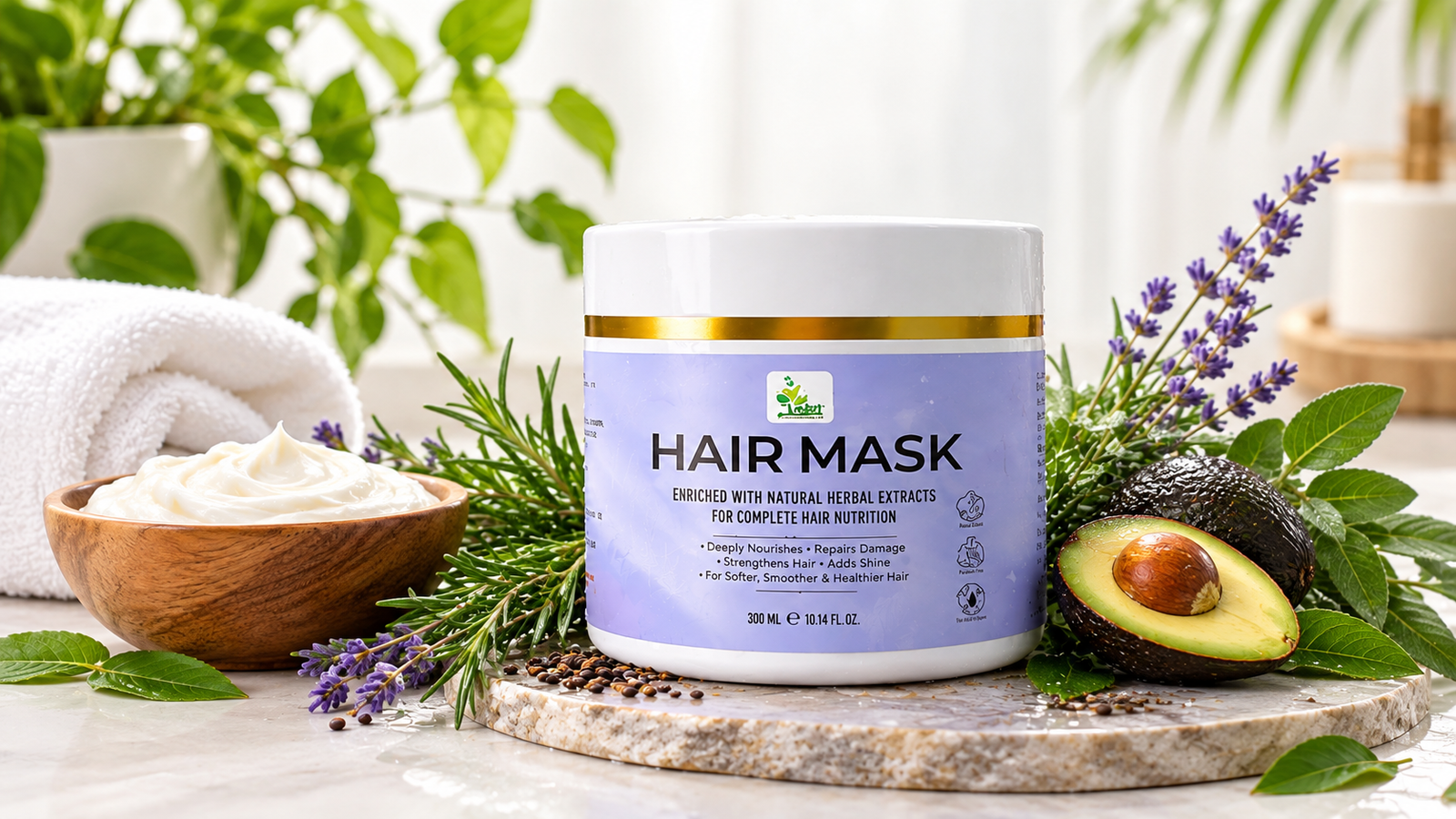
A good hair-care routine involves more than choosing the right shampoo. Shampoo helps cleanse the scalp and hair, while a hair mask can provide an additional conditioning step for dry-looking, rough, frizzy or difficult-to-manage hair. Understanding when and how to apply a hair mask can help you get the most appropriate use from your product.
One common question is whether a hair mask should be applied before or after shampoo. Many rinse-off hair masks are designed to be used after shampooing, when the hair has been cleansed and is ready for conditioning. However, application methods differ between products, so the manufacturer's instructions should always take priority.
Whether you want softer hair, a smoother finish or better manageability, learning how to use hair mask products properly is a useful starting point. It is also important to understand that a cosmetic hair mask primarily improves the feel and appearance of the hair. It should not be considered a guaranteed treatment for hair growth.
Shampoo your hair, rinse thoroughly, and gently remove excess water. Apply an appropriate amount of hair mask to the mid-lengths and ends unless the label directs otherwise. Distribute it evenly, leave it on for the recommended time, and rinse thoroughly.
- What Is a Hair Mask?
- Why Use a Hair Mask After Shampoo?
- How to Use Hair Mask After Shampoo
- How to Apply Hair Mask at Home
- How Much Hair Mask Should You Use?
- How Long Should You Leave It On?
- Hair Masks and Hair Growth
- How Hair Repair Masks Work
- Ingredients to Look For
- Choosing a Mask for Your Hair Type
- Common Hair Mask Mistakes
- How Often Should You Use a Mask?
- Simple Weekly Hair-Care Routine
- Hair Mask Manufacturing
- Frequently Asked Questions
- Conclusion
1. What Is a Hair Mask?
A hair mask is a cosmetic hair-care product designed to provide conditioning to the hair. Compared with a regular conditioner, a hair mask is often positioned as a more intensive treatment and may be used less frequently, depending on the formulation and product directions.
Hair masks can contain different combinations of plant oils, butters, conditioning agents, proteins, botanical extracts, humectants and other cosmetic ingredients. These ingredients help determine the product's texture, spreadability, rinseability, fragrance and overall conditioning feel.
Depending on the formula, a hair mask may be designed for dry-looking hair, frizz management, softness, smoothness, shine, improved manageability or general conditioning. The results depend on the complete formulation and the condition of the hair.
Hair Mask vs. Conditioner
A conditioner is generally used regularly after shampooing, while a hair mask is commonly positioned as an additional conditioning treatment. Some people use conditioner after most washes and include a hair mask periodically when their hair needs additional conditioning.
Neither product needs to be used in exactly the same way by everyone. Hair texture, density, styling habits and personal preferences can influence which routine feels most suitable.
2. Why Use a Hair Mask After Shampoo?
Shampoo helps remove dirt, excess oil, styling residue and other buildup from the scalp and hair. Once the shampoo has been rinsed away, a suitable hair mask can be applied as the next conditioning step.
Using a mask after shampoo also makes it easier to separate cleansing from conditioning. The product can be distributed through freshly washed lengths and ends, following the directions provided for that particular formula.
Benefits of Hair Mask Products
The benefits of hair mask products depend on their formulation and intended use. A suitable mask may offer the following cosmetic benefits:
- Helps condition the hair and improve softness.
- Can make hair easier to comb and manage.
- May provide a smoother-feeling finish.
- Can improve the appearance of dry-looking lengths.
- May help reduce the appearance of frizz.
- Can add a conditioning step to a weekly hair-care routine.
- May help hair look shinier and feel less rough.
These are cosmetic benefits rather than guaranteed results. The experience will vary according to the hair type, product formulation and method of use.
3. How to Use Hair Mask After Shampoo
If you are wondering how to apply hair mask products correctly, follow this general step-by-step method for a rinse-off mask. Always adjust the process according to the product label.
Wet your hair with lukewarm water. Make sure the scalp and lengths are properly wet before applying shampoo.
Apply a suitable amount of shampoo and gently massage the scalp with your fingertips. Rinse thoroughly to remove the shampoo and loosened buildup.
Gently squeeze excess water from the hair or blot it with a soft towel. Hair that is dripping wet can make it harder to distribute some masks evenly.
Take an appropriate amount of product and apply it mainly to the mid-lengths and ends unless the manufacturer's instructions specify another application method.
Use your fingers or a suitable wide-tooth comb to distribute the mask through the intended areas. Work gently and avoid pulling or roughly combing wet hair.
Allow the mask to remain on your hair for the recommended time stated on the packaging. Different formulas may have different application times.
Rinse your hair with water until the product has been removed and your hair feels clean and conditioned. Do not assume that leaving extra product in your hair will improve the result.
Gently squeeze out excess water and avoid aggressive rubbing with a towel. Handle wet hair carefully during drying and detangling.
4. How to Apply Hair Mask at Home
Learning how to apply hair mask at home does not require a complicated salon routine. The key is to select an appropriate product, follow its instructions and apply it evenly without using more than necessary.
Prepare Your Hair
Start by reading the product label. Check whether the mask is intended for use after shampooing, before shampooing, or through another application method. Prepare your towel and comb before beginning.
Section Your Hair if Needed
If your hair is long, thick or curly, divide it into manageable sections. This can make it easier to distribute the product evenly through the lengths and ends.
Apply an Even Layer
Spread the mask gently through the intended areas. Avoid concentrating excessive product on one section. If the product is intended only for the lengths and ends, keep it away from the scalp.
Follow the Recommended Time
Use the leave-on time specified by the manufacturer. Do not extend the application time or use heat unless the product instructions specifically allow it.
Rinse and Finish
Rinse the mask thoroughly and handle your hair gently afterwards. Whether you need to apply conditioner as a separate step depends on the instructions for the products you are using.
5. How Much Hair Mask Should You Use?
Using more product does not automatically provide better results. The appropriate quantity depends on hair length, thickness, density and the consistency of the formula.
- Short or fine hair: Start with a small amount and add more only if needed.
- Medium-length hair: Distribute enough product to cover the intended areas evenly.
- Long or thick hair: You may need more product to cover the lengths and ends.
- Fine hair that becomes weighed down: Avoid excessive application and consider whether a lighter formula is more suitable.
These are general guidelines rather than fixed quantities. Follow the product directions and adjust the amount according to your hair's needs.
6. How Long Should You Leave a Hair Mask On?
The recommended application time depends on the specific formulation. Some masks are designed for a short treatment, while others may recommend a longer period. Always follow the instructions printed on the packaging.
Leaving a product on for longer than recommended does not necessarily improve its performance. It may also make the routine less convenient or lead to unwanted product buildup if the mask is not rinsed properly.
Should You Leave a Hair Mask on Overnight?
Do not automatically leave a rinse-off mask on overnight. Only use a product overnight if the manufacturer specifically identifies it as suitable for that purpose and provides the relevant directions.
7. Can a Hair Mask Help With Hair Growth?
Many people search for the best hair mask for hair growth because they want longer-looking, healthier-looking hair. However, improving the cosmetic condition of hair is different from directly stimulating new hair growth.
A suitable cosmetic hair mask can help improve softness, conditioning, smoothness and manageability. Better-conditioned hair may also be easier to comb and style, which can help reduce unnecessary mechanical stress during grooming.
Hair growth occurs at the follicle level and is influenced by genetics, hormones, nutrition, health and other biological factors. A cosmetic mask should not be presented as a guaranteed hair-growth treatment.
What Can a Hair Mask Support?
- Improved hair softness and texture.
- Conditioning of dry-looking lengths.
- Better manageability during styling.
- A smoother cosmetic appearance.
- Improved shine and finish.
- Reduced appearance of frizz, depending on the formula.
If you experience persistent or significant hair loss, consult a qualified healthcare professional to understand the possible cause rather than relying only on cosmetic products.
8. How Does a Hair Repair Mask Work?
A hair repair mask is generally positioned as a conditioning product for hair that looks dry, rough, dull or stressed by styling and environmental exposure. It may help improve the cosmetic feel and appearance of the hair.
Frequent heat styling, colouring, chemical treatments, rough brushing and environmental exposure can affect the appearance and feel of hair. Suitable conditioning ingredients may help improve smoothness, softness and manageability, although a cosmetic product cannot necessarily reverse every type of structural damage.
What to Look for in a Hair Repair Mask
- Conditioning ingredients suited to your hair type.
- A texture that can be distributed easily.
- A formulation that rinses out comfortably.
- Product directions that suit your regular routine.
- Ingredients selected for the intended cosmetic performance.
When choosing a hair repair mask, consider the complete formulation rather than selecting a product based only on the word "repair" on its packaging.
9. Ingredients to Look For in a Hair Mask
The ingredients used in a hair mask influence its texture, application and conditioning performance. Different formulations may be developed for different hair-care preferences.
1. Plant Oils
Oils such as coconut oil, argan oil, jojoba oil and sunflower oil may be included in hair-care formulations to improve the conditioning feel and help hair feel smoother. Their performance depends on the overall formula.
2. Shea Butter
Shea butter is used in some hair-care products to provide a richer conditioning feel. It may be suitable for certain formulations intended for dry-looking or coarse hair.
3. Conditioning Agents
Conditioning agents are important components of many hair masks. Depending on the formula, they can help improve detangling, softness, smoothness and manageability.
4. Cosmetic Proteins
Some hair masks contain proteins or protein-derived ingredients as part of their conditioning formulation. The effects depend on the ingredients used, their concentrations and the complete product.
5. Botanical Extracts
Botanical extracts may be included to support a plant-focused product concept. Ingredient selection should take into account formulation compatibility, product stability and the intended cosmetic use.
6. Humectants
Humectants are used in many cosmetic formulations to support moisture-related properties. Their performance depends on the complete formula and the conditions in which the product is used.
10. Choosing a Hair Mask According to Hair Type
There is no single hair mask that works identically for everyone. Consider your hair texture, length, density, styling habits and preferred finish when selecting a product.
| Hair Type or Concern | What to Consider |
|---|---|
| Dry-looking hair | Consider conditioning formulas designed to improve softness and smoothness. |
| Frizzy hair | Look for products designed to support smoothness and manageability. |
| Fine hair | Consider lighter formulas and avoid excessive product application. |
| Thick hair | A richer conditioning formula may suit your preferred hair feel. |
| Curly hair | Look for products that support softness, conditioning and easier detangling. |
| Heat-styled hair | Consider conditioning products for dry-looking or stressed hair. |
| Coloured hair | Choose a product suitable for treated hair and follow its instructions. |
11. Common Hair Mask Mistakes to Avoid
Mistake 1: Applying Too Much Product
Excessive application can make hair feel heavy or leave unwanted residue. Start with an appropriate amount and add more only if needed.
Mistake 2: Applying the Mask Directly to the Scalp
Many rinse-off hair masks are designed mainly for the mid-lengths and ends. Follow the product directions to determine whether scalp application is appropriate.
Mistake 3: Leaving the Mask on Too Long
Longer application does not automatically mean better results. Follow the recommended treatment time.
Mistake 4: Roughly Rubbing Wet Hair
Handle wet hair gently during washing, combing and drying to reduce unnecessary mechanical stress.
Mistake 5: Using a Hair Mask Every Day Without Checking the Directions
Many masks are intended as periodic conditioning treatments. Follow the manufacturer's recommended frequency rather than assuming daily use is necessary.
Mistake 6: Expecting Guaranteed Hair Growth
A cosmetic hair mask can improve hair's feel and appearance, but it should not be treated as a guaranteed solution for hair growth or hair loss.
12. How Often Should You Use a Hair Mask?
The ideal frequency depends on the product instructions, your hair type and how your hair feels after use. Some products may be intended for weekly use, while others may recommend a different schedule.
If your hair is fine or becomes weighed down easily, you may prefer a lighter application or less frequent use. Hair that feels dry or coarse may have different conditioning requirements.
The most useful approach is to follow the product directions, observe how your hair responds and avoid adding unnecessary steps to your routine.
13. Simple Weekly Hair-Care Routine
A simple hair-care routine can be easier to maintain than a complicated one. You can build your routine around cleansing, regular conditioning and occasional intensive care.
Use a shampoo that suits your scalp and hair needs. Adjust washing frequency according to your individual routine.
Use a suitable conditioner when needed to support softness, detangling and manageability.
Include a hair mask according to the product directions and your hair's conditioning needs.
Reduce unnecessary friction and handle wet hair carefully when drying and combing.
If you regularly use heat-styling tools, follow suitable hair-care practices and avoid unnecessary excessive heat exposure.
14. Explore More Hair & Skin Care Products
Hair care is an important part of the beauty and personal-care market. Consumers may look for products that fit their hair type, preferred ingredients, styling habits and daily routines.
Explore Unico Pharmaceuticals' Skin & Hair Care category to learn more about the company's cosmetic and personal-care product range.
Businesses interested in developing their own beauty products can also explore Cosmetic Manufacturing for information about private label and third-party cosmetic manufacturing solutions.
15. Hair Mask Manufacturing for Private Label Brands
Hair masks can be a useful addition to a private label hair-care range. Brands may develop products around conditioning, softness, smoothness, frizz management, botanical ingredients or premium hair-care positioning, depending on their target audience and product concept.
Commercial hair mask development involves more than selecting attractive ingredients. The formulation, stability, texture, packaging compatibility, manufacturing process and product labelling all need appropriate consideration.
Product Formulation
The formulation determines the product's consistency, spreadability, rinseability, fragrance and conditioning feel. A manufacturer can discuss the intended product concept and the formulation requirements for the proposed range.
Ingredient Selection
Different oils, butters, conditioning agents, botanical extracts, proteins and humectants may be considered according to the intended product performance and formulation compatibility.
Packaging Selection
Hair masks may be packaged in jars, tubes, sachets or other suitable formats. Packaging selection should consider the product's viscosity, application method, brand positioning and consumer convenience.
Private Label Branding
A private label product can be developed around a brand's identity, target audience, positioning and packaging preferences. Businesses should also consider product labelling requirements and the claims they intend to make.
Third-Party Manufacturing Support
An experienced cosmetic manufacturing partner can help businesses assess the practical requirements involved in moving from a product concept to commercial production. The available support depends on the project and the manufacturer's capabilities.
To explore cosmetic manufacturing options, visit Unico Pharmaceuticals Cosmetics Manufacturing. You can also learn more about the company through its About Us page.
Planning to Launch Your Own Hair Care Product?
Explore private label and third-party cosmetic manufacturing solutions for hair masks, shampoos, conditioners and other personal-care products.
Explore Cosmetics Contact Unico16. Frequently Asked Questions
How do you use a hair mask after shampoo?
Shampoo your hair and rinse thoroughly. Gently remove excess water, apply the mask to the intended areas, distribute it evenly, leave it on for the recommended time and rinse thoroughly.
How to apply a hair mask correctly?
Read the product directions first. For many rinse-off masks, the general method is to apply an appropriate amount to clean, damp hair, focus on the mid-lengths and ends when directed, wait for the recommended time and rinse thoroughly.
How to apply a hair mask at home?
You can apply a hair mask at home by following the product instructions, dividing long or thick hair into sections if needed, spreading the product evenly and rinsing it out as directed.
Should I apply a hair mask before or after shampoo?
It depends on the formulation. Many rinse-off masks are designed for use after shampooing, while other products may be intended for pre-shampoo application. Follow the manufacturer's directions.
What are the benefits of hair mask products?
Depending on the formula, hair masks may help improve softness, conditioning, smoothness, shine and manageability. They may also help reduce the appearance of frizz.
How long should I leave a hair mask on?
The recommended application time varies by product. Always follow the directions on the packaging rather than assuming that leaving a mask on for longer will improve the result.
Can I use a hair mask every day?
Many hair masks are designed as periodic conditioning treatments rather than mandatory daily products. Follow the recommended frequency and consider your hair type.
Should I apply a hair mask to my scalp?
Many rinse-off masks are designed mainly for the mid-lengths and ends. Whether a product can be used on the scalp depends on its formulation and instructions.
Can I use conditioner after a hair mask?
It depends on the product. Some masks are intended to replace conditioner during that wash, while others may be used alongside a conditioner. Follow the directions for both products.
What is the best hair mask for hair growth?
There is no single cosmetic hair mask that is best for hair growth for everyone. Hair masks primarily support conditioning and the cosmetic appearance of hair. Hair growth depends on biological and other factors beyond cosmetic conditioning.
What is a hair repair mask?
A hair repair mask is generally a conditioning product designed for hair that looks dry, rough or stressed. It may help improve the cosmetic feel, softness, smoothness and manageability of the hair.
Can a hair mask repair damaged hair?
A suitable hair mask can improve the cosmetic feel and appearance of damaged-looking hair through conditioning. However, cosmetic products cannot necessarily reverse every type of structural damage.
Can hair masks reduce frizz?
Conditioning ingredients can improve smoothness and manageability, which may help reduce the appearance of frizz. Results vary according to hair type and formulation.
Can Unico Pharmaceuticals support cosmetic manufacturing?
Businesses can explore Unico Pharmaceuticals' Cosmetics Manufacturing page and contact the company to discuss their proposed cosmetic products, manufacturing requirements and available options.
17. Conclusion
Knowing how to use hair mask after shampoo can help you add a suitable conditioning step to your regular hair-care routine. For many rinse-off masks, the general method is to shampoo, remove excess water, apply the mask evenly, leave it on for the recommended time and rinse thoroughly.
If you are learning how to apply hair mask products at home, focus on using the right amount, following the manufacturer's instructions and choosing a formulation that suits your hair type. The benefits of hair mask products may include better softness, smoothness, conditioning and manageability.
For dry-looking, rough, frizzy or stressed hair, a suitable hair repair mask may improve the cosmetic feel and appearance of the hair. However, a cosmetic hair mask should not be considered a guaranteed treatment for hair growth.
Businesses planning to introduce their own hair-care range can explore Unico Pharmaceuticals Cosmetics Manufacturing or visit the Contact Us page to discuss their product requirements.