
Lip Balm vs Lip Moisturizer: What Is the Difference?
Understand the difference between lip balm and lip moisturizer, how each product works, what ingredients to look for, and how to choose the best lip balm for your everyday lip-care routine.
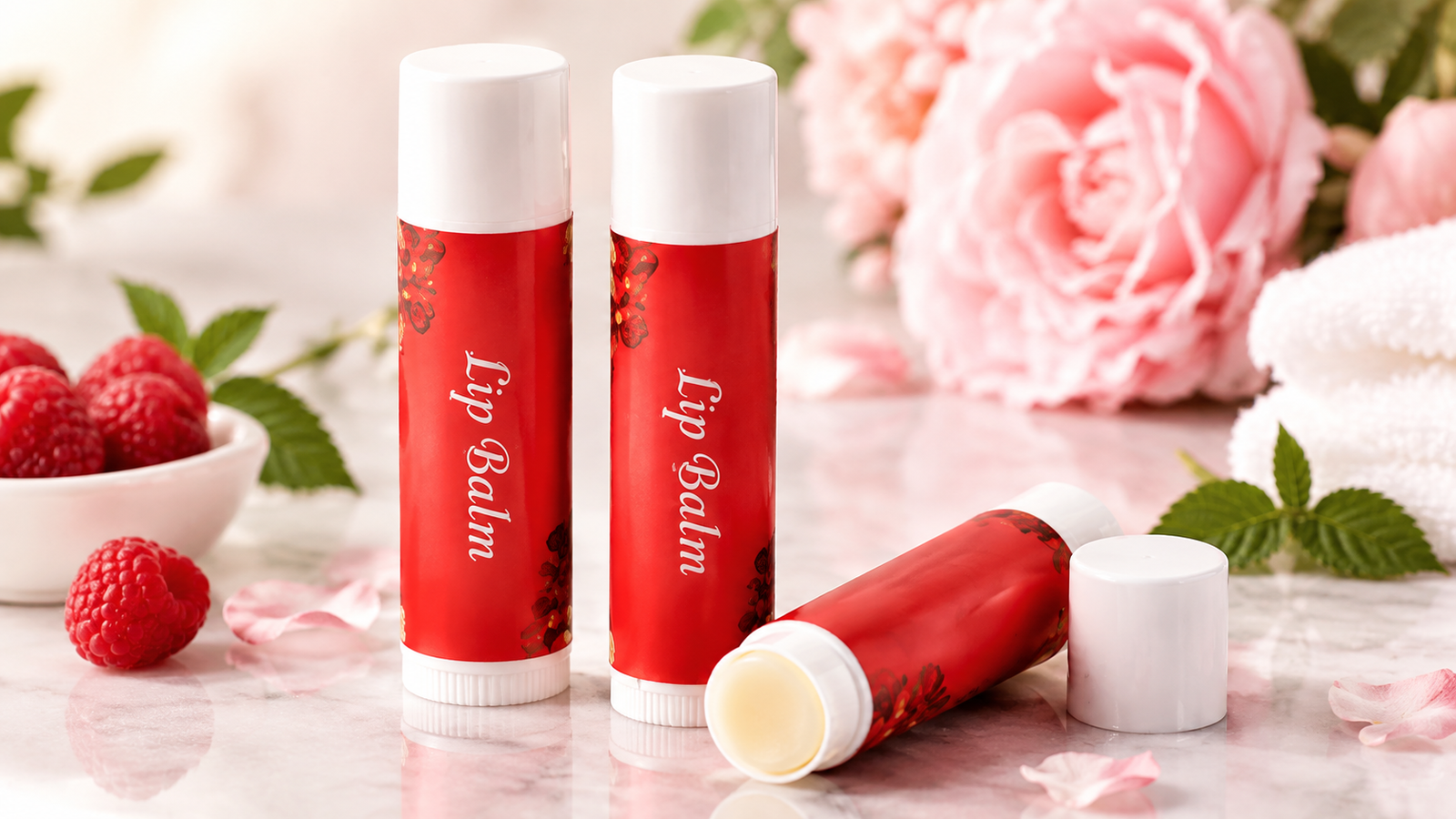
Lip care may look simple, but choosing the right product can sometimes be confusing. Walk into a cosmetic store or browse an online skincare collection and you may find lip balm, lip moisturizer, lip butter, lip mask, lip treatment, and several other types of products. Although many of these products are designed to improve the comfort and appearance of the lips, they may differ in texture, formulation, purpose, and how they fit into a daily routine.
This is why the question “What is the difference between lip balm and lip moisturizer?” is worth understanding before selecting a product. A lip balm is commonly used as a convenient everyday lip-care product, while a lip moisturizer may focus more strongly on providing a moisturizing and conditioning experience. However, the exact function depends on the formulation rather than the product name alone.
If you are searching for an organic lip balm or trying to find the best lip balm for your routine, it is useful to look beyond marketing claims. Ingredients, texture, formulation, packaging, intended use, and your individual lip-care needs all matter.
- What Is Lip Balm?
- What Is Lip Moisturizer?
- Lip Balm vs Lip Moisturizer: Key Differences
- Lip Balm vs Lip Moisturizer Comparison Table
- What Is an Organic Lip Balm?
- Ingredients to Look for in Lip Care Products
- How to Choose the Best Lip Balm
- How to Use Lip Balm Correctly
- Why Lip Care Changes With Weather
- Common Lip Balm Mistakes to Avoid
- Can You Use Lip Balm Every Day?
- Organic Lip Balm for Private Label Brands
- Frequently Asked Questions
- Conclusion
1. What Is Lip Balm?
Lip balm is a cosmetic lip-care product commonly used to keep the lips feeling soft, smooth, and comfortable. It is often formulated with a combination of moisturizing, conditioning, and protective ingredients. Depending on the product, a lip balm may be available in a stick, tube, pot, squeeze tube, or other convenient packaging format.
The lips can feel dry because they are regularly exposed to environmental conditions such as cold air, wind, dry indoor air, heat, and sunlight. Unlike many areas of facial skin, the lips have a different structure and can become uncomfortable when moisture is lost. This makes lip care a useful part of a basic personal-care routine.
A lip balm is usually designed to create a comfortable layer over the lips while conditioning them. Some formulas may contain ingredients that help reduce moisture loss, while others may focus more on softness, smooth application, shine, fragrance, or sensory experience.
Common types of lip balm
- Classic moisturizing lip balm
- Organic or naturally positioned lip balm
- Flavoured lip balm
- Tinted lip balm
- Overnight lip balm
- SPF lip balm
- Medicated or treatment-oriented lip products
The important thing to remember is that not every lip balm performs exactly the same function. Two products may both be called lip balm while having completely different formulations and intended uses.
2. What Is Lip Moisturizer?
Lip moisturizer is a broader description for a product designed primarily around moisturizing and conditioning the lips. The term can be used for different cosmetic formulations, including creams, balms, gels, butters, masks, or other textures.
The main objective of a lip moisturizer is generally to improve the moisture feel and softness of the lips. Depending on its formula, it may contain ingredients that attract moisture, soften the surface, or form a layer that helps reduce moisture loss.
This means that lip balm and lip moisturizer can overlap considerably. In fact, a moisturizing lip balm can function as a lip moisturizer. The distinction is often more about product positioning, texture, formula, and intended consumer experience than a strict technical category.
Why do lips need moisturizing care?
Lips are exposed to the same environment as the rest of the face, but they can become dry and uncomfortable relatively quickly. Cold weather, wind, dehydration, frequent lip licking, dry indoor air, and certain lifestyle factors may contribute to dryness.
Regular lip care can help maintain a more comfortable and smooth-feeling lip surface. A suitable product can become particularly useful during seasonal changes when the lips are more likely to feel dry.
3. Lip Balm vs Lip Moisturizer: What Is the Difference?
The simplest way to understand the difference is to think about the product's primary purpose, texture, formulation, and usage experience. Lip balm is generally positioned as a convenient daily lip-care product, while lip moisturizer emphasizes moisture and conditioning.
However, there is no universal rule that says a lip balm cannot be moisturizing. Many modern lip balms are specifically formulated to moisturize and condition the lips. Similarly, a product marketed as a lip moisturizer may have a balm-like texture.
1. Product positioning
Lip balm is commonly positioned as an everyday lip-care product. It is easy to carry, easy to apply, and often designed for repeated use throughout the day.
Lip moisturizer is generally positioned around hydration, softness, and conditioning. The formula may be created specifically to provide a richer moisturizing experience.
2. Texture
Lip balms can range from firm sticks to soft balms. Lip moisturizers may also have different textures, including creams, gels, butters, and richer balms.
3. Ingredients
A lip-care product may contain oils, butters, waxes, humectants, emollients, botanical extracts, vitamins, antioxidants, flavours, fragrances, or other cosmetic ingredients. The exact combination determines the final performance.
4. Packaging
Lip balm is commonly available in twist-up sticks or small portable containers. Lip moisturizers may be packaged in tubes, jars, pumps, or other formats.
5. Everyday convenience
One reason lip balm remains popular is convenience. A compact stick can be carried in a pocket, handbag, office drawer, travel bag, or cosmetic pouch and applied whenever needed.
6. Consumer preference
Some consumers prefer a light product that can be applied several times during the day. Others prefer a richer formula that gives the lips a more moisturized feel. The best choice depends on personal preference and the product formulation.
4. Lip Balm vs Lip Moisturizer Comparison Table
| Feature | Lip Balm | Lip Moisturizer |
|---|---|---|
| Primary positioning | Everyday lip care and conditioning | Moisturizing and softening |
| Typical texture | Stick, balm, waxy or creamy | Cream, gel, butter or balm |
| Application | Usually quick and convenient | Depends on product format |
| Portability | Usually very convenient | Depends on packaging |
| Common ingredients | Oils, waxes, butters and conditioning ingredients | Humectants, oils, butters and moisturizing ingredients |
| Daily use | Commonly used throughout the day | Can be used according to product directions |
| Best for | Convenient everyday lip care | People looking for a moisturizing-focused product |
The table shows why the terms can overlap. A good lip balm can also be an effective moisturizing product, depending on its formulation. Instead of choosing solely based on the name printed on the package, check the ingredients, product claims, directions, and texture.
5. What Is an Organic Lip Balm?
The term organic lip balm is commonly used in the beauty market for lip-care products positioned around organic or naturally sourced ingredients. However, the meaning of "organic" can vary by market, certification system, ingredient sourcing, and product claims.
For consumers, it is important not to assume that every product described as natural or organic is identical. If a product makes specific organic claims, consumers should check the product's certification, ingredient information, and labeling.
An organic lip balm concept may include botanical oils, plant-derived ingredients, natural waxes, butters, extracts, or other ingredients selected according to the product's formulation requirements.
Why do consumers look for organic lip balm?
- Preference for plant-derived ingredients
- Interest in naturally positioned beauty products
- Preference for simple ingredient stories
- Growing interest in clean beauty concepts
- Demand for botanical personal-care products
- Preference for environmentally conscious brand positioning
However, "organic" should not automatically be treated as a guarantee that a product is better for every consumer. Ingredient suitability, formulation quality, safety, testing, manufacturing standards, and individual preferences are all important.
6. Ingredients to Look for in Lip Care Products
When searching for the best lip balm, the ingredient list is one of the most useful things to check. Different ingredients perform different functions, and the final formula is more important than any single ingredient.
Plant oils
Plant oils can be used to provide emollient properties and improve the feel of a lip-care formula. Depending on the formulation, examples may include coconut oil, jojoba oil, almond oil, sunflower oil, or other cosmetic oils.
Shea butter
Shea butter is commonly used in personal-care products because it can contribute to a rich, conditioning texture. It is often included in lip-care formulations designed to provide a softer and more comfortable feel.
Beeswax
Beeswax is widely used in traditional balm formulations. It can contribute structure to the product and help create the characteristic solid or semi-solid texture associated with many lip balms.
Plant-based waxes
Brands seeking vegan or plant-focused formulations may use alternative waxes depending on the desired product characteristics. The selected wax influences firmness, application, melting behaviour, and overall texture.
Humectants
Humectants are ingredients used in cosmetic formulations to help attract and retain water. Their suitability depends on the complete formulation and intended product use.
Botanical extracts
Botanical extracts may be added for formulation positioning and cosmetic benefits. Their selection should be based on the desired product concept, stability, compatibility, and applicable cosmetic requirements.
7. How to Choose the Best Lip Balm
There is no single lip balm that can be called the best for every person. The ideal product depends on your preferences, environment, lip condition, texture preference, ingredients, and intended use.
Look at the complete ingredient list instead of focusing only on one highlighted ingredient. If you prefer an organic or naturally positioned product, check what ingredients are actually present and whether relevant certifications or claims are provided.
Some people prefer a firm stick that glides across the lips, while others prefer a soft balm or rich butter. The most effective product for a routine is often one that you enjoy using consistently.
Cold, dry, windy, or air-conditioned environments can make lips feel different. Your product preference may change with the season.
Some lip balms contain flavours or fragrances, while others are formulated with little or no added fragrance. If you are sensitive to fragranced products, check the ingredient list carefully.
Look at the claims made on the package and understand what the product is intended to do. A standard lip balm should not automatically be assumed to provide sun protection unless it is specifically formulated and labeled for that purpose.
Packaging affects convenience and hygiene. A twist-up stick can be practical for frequent application, while a tube or jar may offer a different user experience.
8. How to Use Lip Balm Correctly
Using lip balm is simple, but a few habits can make the routine more practical and comfortable.
Apply a thin, even layer
You generally do not need a very thick coating. Apply enough product to cover the lips comfortably and evenly.
Apply when your lips feel dry
You can use lip balm when your lips begin to feel dry or uncomfortable. Some people also prefer applying it before going outdoors or before sleeping.
Use SPF lip products when appropriate
If you are spending time outdoors, consider a lip product specifically formulated with sun protection. A regular lip balm should not be assumed to provide UV protection.
Do not repeatedly lick your lips
Frequent lip licking may provide temporary moisture but can leave the lips feeling drier after the moisture evaporates. Applying a suitable lip-care product can be a better routine.
Keep the applicator clean
If you use a jar or pot, clean hands are important before touching the product. Stick and tube formats can provide a convenient alternative for everyday use.
9. Why Lip Care Changes With Weather
Weather can have a noticeable effect on how the lips feel. During winter, cold air and wind may make lips feel dry and rough. During summer, heat and sun exposure can create different lip-care requirements.
Winter lip care
Cold and dry conditions can increase the need for a comfortable conditioning product. A richer lip balm may be preferred by consumers who experience dry-feeling lips during winter.
Summer lip care
During summer, many people prefer lighter textures. If spending time outdoors, a lip product with appropriate SPF protection can be useful.
Air-conditioned environments
Long hours in air-conditioned offices or rooms may make the lips feel less comfortable. Keeping a convenient lip balm nearby can make regular application easier.
10. Common Lip Balm Mistakes to Avoid
Mistake 1: Choosing only by fragrance
A pleasant fragrance or flavour can make a product enjoyable, but it should not be the only factor considered when selecting a lip balm. Check the complete formula and intended use.
Mistake 2: Assuming every lip balm is moisturizing
The word "balm" does not tell you everything about a product. Check the ingredients and claims to understand whether the formula is designed for moisturizing, conditioning, protection, tint, shine, or another purpose.
Mistake 3: Applying too much
A thick layer may feel uncomfortable and does not necessarily mean better care. Start with a moderate amount and reapply according to your needs.
Mistake 4: Ignoring SPF when outdoors
Regular lip balm should not be treated as sunscreen. If UV protection is important for your activity, choose a product specifically formulated and labeled with suitable sun protection.
Mistake 5: Sharing lip products
Sharing personal lip-care products is not ideal from a hygiene perspective. Keep your lip balm personal, especially when using stick, pot, or applicator formats.
Mistake 6: Continuing a product that causes irritation
If a lip product repeatedly causes burning, itching, swelling, or other concerning irritation, discontinue use and consider professional advice.
11. Can You Use Lip Balm Every Day?
Lip balm can be part of an everyday personal-care routine when the product is suitable for you and used according to its directions. Many consumers keep a lip balm nearby and apply it whenever their lips feel dry or uncomfortable.
Daily use does not mean applying the product continuously throughout the day without reason. The ideal frequency depends on the product, your environment, and your individual needs.
If you spend considerable time outdoors, travel frequently, work in an air-conditioned environment, or experience seasonal dryness, you may prefer keeping a convenient lip balm available.
A simple routine is usually easier to maintain than a complicated one. Select a product with a texture and application method that fits naturally into your daily lifestyle.
12. Organic Lip Balm for Private Label Brands
The growing interest in natural and botanical personal-care products has created opportunities for brands looking to launch their own lip-care range. An organic lip balm can be developed as part of a broader skincare and personal-care collection depending on the brand's positioning and formulation requirements.
For businesses, developing a successful lip balm involves much more than choosing a few natural ingredients. Product formulation, ingredient sourcing, manufacturing processes, testing, packaging, labeling, quality control, and production planning all need to be considered.
Developing the product concept
The first step is defining what kind of lip balm the brand wants to create. The concept could focus on everyday moisturizing, botanical ingredients, natural positioning, tint, flavour, SPF, premium lip care, or another consumer requirement.
Choosing the formulation
The formulation determines the product's texture, glide, firmness, finish, stability, and overall consumer experience. Oils, butters, waxes, extracts, and other cosmetic ingredients need to work together in a balanced formula.
Packaging selection
Packaging plays an important role in lip-care products. Stick packaging is popular because it is portable and easy to apply. Tubes, jars, and other formats can also be considered depending on the product concept.
Branding and label design
A private label lip balm can be customized with the brand's name, visual identity, product positioning, packaging design, and label information. The final packaging should communicate the product clearly while meeting applicable labeling requirements.
Manufacturing support
A reliable cosmetic manufacturing partner can help businesses move from an initial product idea toward commercial production. Depending on the project, support can include formulation development, manufacturing, quality processes, packaging, labeling, and production planning.
Unico Pharmaceuticals provides cosmetic manufacturing and private label/third-party manufacturing solutions for businesses developing skincare and personal-care products. You can explore the Cosmetics Manufacturing section to learn more.
You can also explore the Skin & Hair Care category for additional product opportunities.
Businesses interested in discussing a product concept can visit the Contact Us page.
Want to Launch Your Own Lip Care Brand?
Explore private label and third-party cosmetic manufacturing solutions for lip balm, skincare and personal-care products.
Explore Cosmetics Contact Unico13. Frequently Asked Questions
What is the difference between lip balm and lip moisturizer?
Lip balm is generally positioned as a convenient everyday lip-care product, while lip moisturizer emphasizes moisturizing and conditioning. However, the two categories can overlap because many lip balms are also formulated to moisturize the lips.
Is lip balm the same as lip moisturizer?
Not always, but they can perform similar functions. The actual difference depends on the formulation, ingredients, texture, and product claims rather than the product name alone.
What is an organic lip balm?
Organic lip balm generally refers to a lip-care product positioned around organic or naturally sourced ingredients. Specific organic claims can depend on applicable standards and certifications, so consumers should check the product labeling and ingredient information.
How do I choose the best lip balm?
Look at the complete ingredient list, texture, intended use, packaging, product claims, and your personal preferences. If you need sun protection, choose a lip product specifically formulated and labeled with SPF.
Can I use lip balm every day?
Yes, a suitable lip balm can be included in a daily lip-care routine. Follow the product directions and use it according to your individual needs.
Is organic lip balm better than regular lip balm?
Not necessarily for everyone. An organic or naturally positioned formula may appeal to consumers who prefer those ingredients, but product quality, formulation, safety, suitability, and individual preference are also important.
What ingredients are commonly found in lip balm?
Lip balms can contain oils, waxes, butters, humectants, botanical extracts, conditioning ingredients, flavours, fragrances, and other cosmetic ingredients. The exact formula varies by product.
Can lip balm protect lips from the sun?
Only if it is specifically formulated and labeled for sun protection. A standard lip balm should not automatically be considered a sunscreen.
Should I use lip balm before sleeping?
A suitable lip balm can be used as part of a nighttime lip-care routine if the product directions allow it. A comfortable moisturizing product may be useful when your lips feel dry before bedtime.
Why do my lips feel dry even after applying lip balm?
The reason can vary. The product may not provide the type of conditioning your lips need, your environment may be particularly dry, or another factor may be contributing to discomfort. If a product causes persistent irritation, stop using it and seek appropriate professional advice.
Can I launch my own organic lip balm brand?
Yes. Brands can develop lip-care products through private label or third-party manufacturing. Product formulation, ingredient sourcing, testing, packaging, labeling, quality processes, and applicable regulatory requirements should be considered during development.
Can Unico Pharmaceuticals manufacture lip-care products?
Unico Pharmaceuticals provides cosmetic manufacturing and private label/third-party manufacturing support. Businesses can discuss their lip-care product concept, formulation requirements, packaging preferences, and production needs with the company.
14. Conclusion
The difference between lip balm and lip moisturizer is not always as strict as it may appear. Both products can be designed to improve the comfort, softness, and conditioned feel of the lips. Lip balm is generally associated with convenient everyday use, while lip moisturizer places more emphasis on hydration and moisturizing care.
If you are looking for an organic lip balm, pay attention to the complete ingredient list and any relevant organic or natural claims rather than relying only on the product name. If you are searching for the best lip balm, consider your skin-care preferences, environment, desired texture, packaging, ingredients, and intended use.
A good lip-care product should fit naturally into your routine. Whether you prefer a portable stick, a rich balm, a botanical formula, or a moisturizing lip treatment, consistency and product suitability are more important than simply choosing the product with the longest list of claims.
For businesses and emerging beauty brands, lip balm can also be an attractive addition to a wider skincare or personal-care range. With the right formulation, packaging, branding, manufacturing process, and quality approach, a lip-care product can be developed according to a brand's target market and positioning.
If you are planning to develop your own lip-care or cosmetic product, explore Unico Pharmaceuticals Cosmetics Manufacturing or visit the Skin & Hair Care section.
To discuss a private label or third-party manufacturing requirement, you can also visit the Contact Us page.