
Creating a Beautiful Fragrance Experience: Solid Perfume Formulation
A memorable fragrance is about more than a pleasant scent. It brings together fragrance selection, carefully considered ingredients, product texture and an enjoyable application experience. For brands planning a solid perfume range, understanding these elements helps create products that reflect their identity and meet customer expectations.
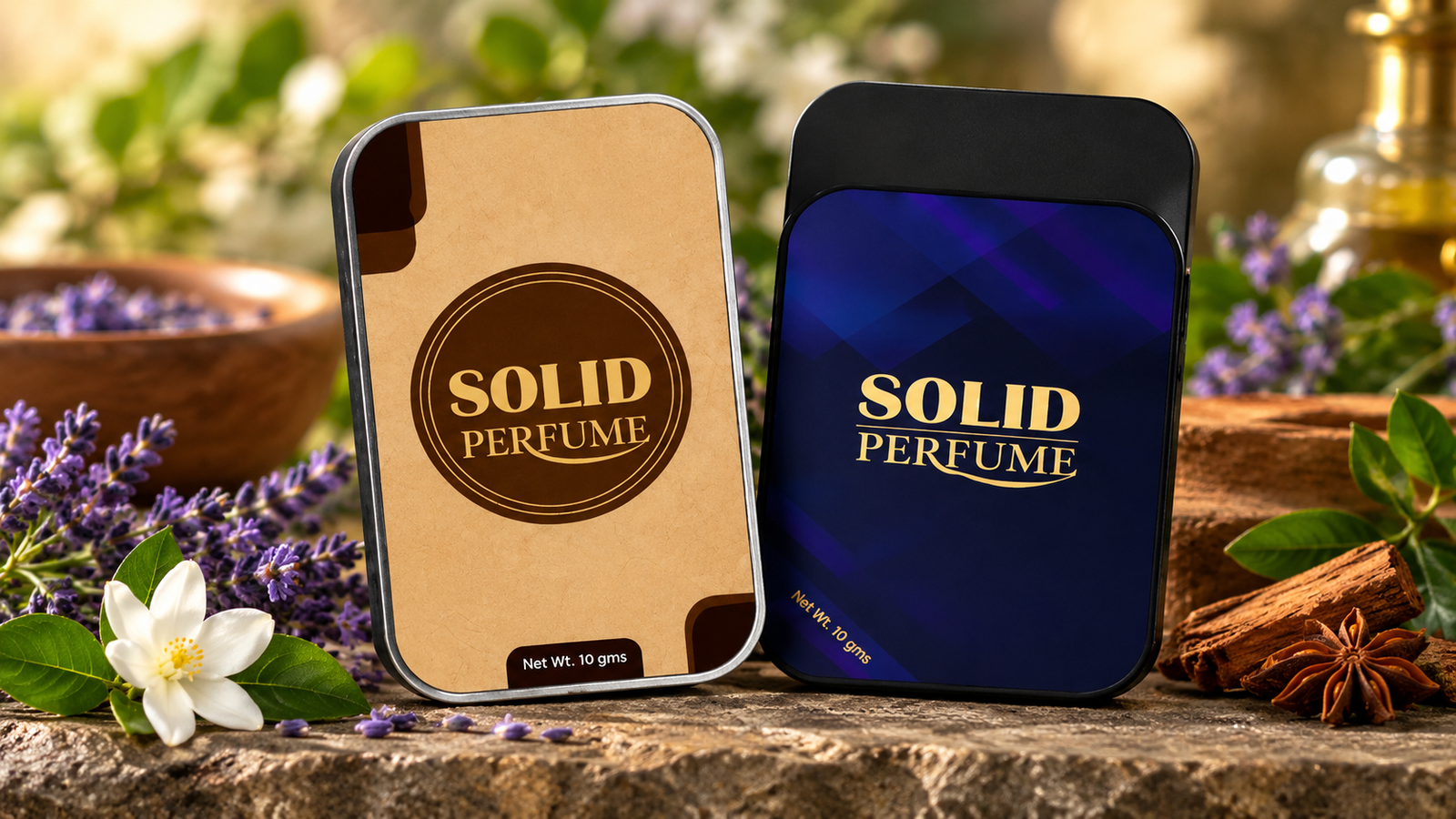
A solid perfume concept highlighting fragrance, formulation and product presentation.
Solid perfumes offer a convenient alternative to conventional spray formats. Their balm-like texture makes them suitable for compact packaging and easy application. The finished product combines a fragrance composition with a base designed to provide the intended consistency, feel and usability.
Every product has its own formulation requirements. Fragrance materials, oils, waxes, emollients and other ingredients may be selected according to the product brief. Ingredients such as mango butter and shea butter can also be considered in suitable cosmetic formulations when their properties fit the intended product.
For businesses developing their own fragrance range, the goal is to create a well-considered product with an appealing scent, appropriate ingredients, suitable packaging and clear, accurate product information.
Quick overview: A well-developed solid perfume brings together a suitable fragrance composition, a compatible base and carefully selected formulation ingredients. The final ingredient selection depends on the product requirements. Product descriptions should always reflect the actual approved formulation.
1. Understanding the Fragrance Experience
Fragrance plays an important role in how customers experience a cosmetic product. A fresh citrus profile may feel bright and refreshing, while floral, woody, warm or musky notes can create different impressions. The right fragrance depends on the product concept, target audience and brand identity.
However, fragrance selection involves more than choosing a scent that smells appealing on its own. The fragrance should be evaluated in the finished formulation because the base and other ingredients can influence how the scent is perceived.
What contributes to a good fragrance experience?
- Scent character: The fragrance should match the intended product concept and customer expectations.
- Application experience: The product should have a texture and format appropriate for its intended use.
- Formulation compatibility: The selected fragrance and base ingredients should work together in the finished product.
- Product consistency: The product should meet its approved specifications for appearance, texture and scent.
- Clear communication: Product descriptions should accurately explain the fragrance profile and verified formulation features.
For private-label and third-party manufacturing projects, defining these expectations early helps guide sample development and product approval.
2. What Makes Solid Perfume Different?
Solid perfume is a fragrance product presented in a solid or balm-like format rather than a conventional liquid spray. Depending on the design, it may be packaged in a compact container, jar or stick format.
The base helps determine the product's firmness, glide and application characteristics. Fragrance materials are incorporated into the formulation at a suitable level based on the selected ingredients and the intended use.
Potential advantages of the format
- Compact presentation: Solid formats can be designed for convenient storage and portability.
- Controlled application: The balm-like format allows users to apply the product directly as directed.
- Packaging flexibility: Brands can explore different container styles to match their product concept.
- Product differentiation: A distinctive scent profile, texture and presentation can help establish a recognisable product identity.
The actual user experience depends on the finished product. Brands should evaluate samples and confirm that the texture, fragrance, packaging and directions for use suit the intended audience.
3. Ingredients Used in Cosmetic Formulations
Cosmetic formulations may contain ingredients with different functions. Some contribute to texture and application, while others help create the intended product characteristics. Ingredient selection depends on the product category, desired performance, compatibility and manufacturing requirements.
Common ingredient categories
- Waxes: May help provide structure and firmness in suitable solid formulations.
- Oils and emollients: May contribute to spreadability and the feel of the product on application.
- Butters: Ingredients such as mango butter and shea butter can be considered in appropriate cosmetic bases.
- Fragrance materials: Selected to develop the intended scent profile and incorporated at a suitable level.
- Other formulation ingredients: May be included where needed to achieve the product's specified characteristics.
Not every ingredient is suitable for every product. A formulator must consider how the complete combination behaves, including its texture, appearance, stability and suitability for the intended application.
Ingredient selection should also be supported by accurate specifications and relevant documentation. The final product information must match the formulation actually manufactured.
4. Mango Butter and Shea Butter in Formulation
Mango butter and shea butter are used in a variety of cosmetic formulations. Both are plant-derived butters that may be considered when developing suitable balm, cream and other personal-care products. Their inclusion depends on the product design and the requirements of the complete formula.
Mango butter
Mango butter is obtained from the kernel of the mango fruit. In suitable cosmetic formulations, it may contribute to the structure and sensory characteristics of the product base.
When considering mango butter, formulators assess its quality, compatibility with the other ingredients and effect on the finished product. Its presence should only be stated on a product page when the approved formulation confirms that it is included.
Shea butter
Shea butter is a plant-derived fat obtained from the nuts of the shea tree. It is used in various personal-care formulations, including products designed to provide a rich, emollient feel.
Depending on the formula, shea butter may influence the texture, spreadability and overall feel of a cosmetic product. Its suitability and amount depend on the intended product, other base ingredients and required physical characteristics.
Can these butters be used in solid perfume?
Mango butter and shea butter may be evaluated as potential ingredients in suitable solid perfume bases. Their use is not essential in every formulation, and adding either ingredient does not automatically improve every product.
The formulator must consider the balance between firmness, glide, fragrance compatibility and stability. Samples should be evaluated in the proposed formula before any ingredient or performance claim is made.
Important formulation note: Mango butter and shea butter are examples of ingredients that may be considered during product development. Their mention in this article does not confirm that they are present in every UNICO formulation or in any particular finished product.
5. Choosing a Fragrance Profile
A fragrance profile describes the overall scent direction of a product. Selecting the right profile begins with understanding the audience and the intended brand experience.
Popular fragrance directions
- Fresh and citrus: Bright, lively scent profiles suited to particular fresh-fragrance concepts.
- Floral: Fragrance profiles built around floral character.
- Woody: Fragrances with warm, dry or wood-inspired scent characteristics.
- Warm and musky: Profiles that create a soft, rich or comforting impression.
- Herbal: Fragrance directions featuring green or aromatic characteristics.
These are broad descriptions rather than guarantees of the ingredients used. The actual fragrance composition varies according to the selected fragrance and the final product brief.
How to select the right scent
- Identify the target audience and intended brand positioning.
- Choose the preferred fragrance family and scent characteristics.
- Review available fragrance options and relevant documentation.
- Evaluate samples in the proposed product base.
- Approve the final scent and formulation against agreed specifications.
Brands should avoid relying only on a fragrance name or supplier description. Evaluating the finished product provides a more useful understanding of its overall scent experience.
6. How Solid Perfume Formulation Works
Developing a solid perfume involves combining fragrance materials with a suitable base. Each ingredient must be considered in relation to the complete formula rather than in isolation.
Base and texture
The selection and proportions of waxes, oils, butters and other suitable ingredients influence the firmness and application characteristics of the product. The base should be designed for the intended packaging and use.
Fragrance incorporation
The selected fragrance must be compatible with the base at the intended concentration. The formulation process should account for the fragrance's characteristics and any relevant technical requirements.
Sample development
Sample evaluation helps establish whether the product meets the agreed brief. Review the scent, texture, appearance and application experience, and record any requested changes before approving production.
Complete formula evaluation
Changes to one ingredient may influence other product characteristics. For example, changing the type or amount of a butter or wax may affect firmness and spreadability. The final formula should therefore be evaluated as a whole.
The objective is to develop a product that matches the approved specifications and is suitable for its intended application.
7. Quality, Stability and Packaging
Product quality involves more than the initial scent or appearance. The finished formulation and packaging should be considered together to determine the appropriate quality checks and storage requirements.
Consistency and stability
Depending on the formulation, evaluation may consider changes in scent, colour, appearance and texture over time. The testing plan should be appropriate to the product and its intended shelf life.
Packaging compatibility
The container should suit the product's consistency and application method. Packaging evaluation may consider closure performance, ease of use, material compatibility and the presentation of the finished product.
Ingredient documentation
Relevant ingredient specifications, supplier information and product records help support accurate product information. The applicable documentation and assessment requirements depend on the product and the market in which it will be sold.
Responsible product communication
Product claims should reflect verified facts. Avoid unsupported statements about ingredient percentages, fragrance origin, product safety or performance. If a specific ingredient or product feature is highlighted, confirm that the final approved formulation supports the statement.
8. Developing a Fragrance Product for Your Brand
Businesses planning a private-label fragrance product should establish a clear product brief before beginning development. This helps the manufacturing team understand the intended customer, product format and commercial requirements.
Prepare your product brief
- Intended product format, such as a solid perfume stick or compact balm.
- Preferred fragrance profile and overall product concept.
- Ingredient preferences, where technically feasible.
- Packaging style and artwork requirements.
- Target market and approximate production quantity.
- Required documentation and applicable product requirements.
Review samples before approval
Evaluate samples against the agreed product brief. Discuss any changes to the fragrance, texture, packaging or ingredient selection and confirm the final specifications before production.
Confirm commercial details
Ask the manufacturer to confirm applicable minimum order quantities, pricing, sampling arrangements, packaging options and estimated lead times. These details depend on the project and should be agreed directly.
Build an accurate product story
A strong product description explains what customers can expect without exaggeration. Brands can highlight the fragrance profile, format, packaging and verified formulation features. Ingredient-specific statements should be used only when confirmed by the final product documentation.
Product development checklist
- Product concept and target customer defined.
- Fragrance profile selected.
- Ingredient preferences discussed.
- Samples reviewed and approved.
- Packaging requirements confirmed.
- Relevant quality and documentation requirements checked.
- Website content and product claims verified.
9. Solid Perfume Manufacturing with UNICO Pharmaceuticals
UNICO Pharmaceuticals works in cosmetic manufacturing and provides a starting point for businesses exploring product development and manufacturing requirements. With more than 35 years of industry experience, the company can be contacted to discuss project requirements and the manufacturing options relevant to a proposed product.
Businesses interested in solid perfume can share their preferred fragrance direction, product format, packaging concept and estimated quantity. Any specific formulation, ingredient availability, customisation option or production requirement should be confirmed directly with the team.
Discuss your formulation requirements
If your product concept includes ingredients such as mango butter or shea butter, mention them in your initial brief. The team can discuss whether the requested ingredients are suitable for the proposed formulation and whether the desired product characteristics can be achieved.
Likewise, explain the fragrance experience you want to create. A clear brief helps guide discussions about scent options, product format, samples and final specifications.
Explore UNICO's manufacturing information
Visit the solid perfume manufacturing page for relevant service information. You can also explore the cosmetic manufacturing page, About Us and certificates page.
Manufacturing capabilities, ingredient availability, product specifications, certifications and commercial terms should be verified for the particular project. General website information should not be treated as confirmation of a specific formulation or certification scope.
Planning Your Own Solid Perfume Range?
Discuss your fragrance concept, formulation preferences, packaging requirements and proposed production quantity with UNICO Pharmaceuticals.
Explore Solid Perfume Manufacturing →10. Final Thoughts
Creating a memorable fragrance product involves thoughtful selection of the scent, base ingredients, texture and packaging. Each element contributes to the finished product and should be evaluated according to the product's intended use.
Ingredients such as mango butter and shea butter may be considered in suitable cosmetic formulations, while fragrance materials help establish the intended scent profile. The appropriate ingredient combination depends on the formulation brief, compatibility and product requirements.
For brands developing a new solid perfume, a clear product brief, sample evaluation and accurate product documentation provide a practical foundation for development. Honest descriptions of the finished formulation also help build customer confidence without relying on unsupported or absolute claims.
To discuss a solid perfume manufacturing project, visit the UNICO solid perfume manufacturing page or submit your requirements through the contact page.
Frequently Asked Questions
Find answers to common questions about fragrance experiences, solid perfume formulation and cosmetic ingredients.
1. What makes a good fragrance experience?
A good fragrance experience depends on the scent profile, the finished product's characteristics and how well the product matches customer expectations. The fragrance should be evaluated in the complete formulation.
2. What is solid perfume?
Solid perfume is a fragrance product presented in a solid or balm-like format. Its base and packaging are selected according to the intended texture, application method and product concept.
3. What ingredients may be used in solid perfume?
Depending on the formula, solid perfume may contain fragrance materials, waxes, oils, emollients and other suitable ingredients. The exact composition varies by product.
4. What is mango butter used for in cosmetics?
Mango butter is a plant-derived cosmetic ingredient that may be considered in suitable formulations to contribute to the base's texture and sensory characteristics. Its use depends on the complete formula.
5. What is shea butter used for in cosmetics?
Shea butter is a plant-derived fat used in various cosmetic formulations. Depending on the formula, it may contribute to an emollient feel and influence the product's texture.
6. Can mango butter and shea butter be used in solid perfume?
They may be evaluated as ingredients in suitable solid perfume bases. Their suitability depends on the desired texture, ingredient compatibility, stability and intended use. Their mention here does not confirm that they are present in a particular UNICO product.
7. How do I choose a fragrance for my brand?
Start by identifying your target audience, preferred scent profile and product concept. Review fragrance samples in the proposed base and approve the finished product against agreed specifications.
8. Why is formulation compatibility important?
Ingredients can influence one another's performance in a finished product. Compatibility evaluation helps determine whether the fragrance, base and packaging are suitable for the intended product.
9. How can brands make accurate ingredient claims?
Check the final approved formulation and relevant product documentation before making an ingredient claim. Avoid absolute statements about ingredient origin, percentages, safety or performance unless the claim is properly supported.
10. Does mentioning a plant-derived ingredient mean a product is entirely natural?
No. A product containing a plant-derived ingredient may also contain other ingredients. Claims about the overall formulation must accurately reflect the complete formula and supporting evidence.
11. What should I check before approving a solid perfume?
Review the fragrance, texture, appearance, packaging and relevant documentation against the agreed specifications. Confirm the appropriate quality and stability assessments for the product and intended market.
12. Can UNICO discuss solid perfume manufacturing requirements?
Businesses can visit the UNICO solid perfume manufacturing page or use the contact page to share their product concept and discuss relevant requirements.
Explore Related UNICO Pharmaceuticals Pages
Learn more about UNICO and its manufacturing categories.
UNICO Pharmaceuticals Solid Perfume Manufacturers Cosmetic Manufacturing About UNICO Pharmaceuticals Certificates and Quality Information Skin & Hair Care Products Contact UsThis article provides general information about fragrance experiences and cosmetic formulation. Ingredient selection, formulation details, product performance, testing, documentation and applicable requirements depend on the specific product and intended market. Verify all product-specific statements against the approved formulation and relevant documentation.