
Private Label Silicone Perfume: A Complete Guide for Starting Your Own Brand
Starting a perfume brand can be an exciting opportunity for entrepreneurs, retailers, distributors and businesses that want to enter the fragrance market. Customers often consider fragrance products for personal use, gifting and everyday convenience. For a new business, the opportunity is not only about selecting an attractive product. It is also about understanding the target audience, choosing suitable packaging, finding a reliable manufacturing partner and building a brand that customers can recognise.
Private label perfume manufacturing allows businesses to sell products under their own brand name while working with an external supplier for agreed manufacturing, product supply and packaging services. Instead of setting up every part of a production operation, a brand owner can focus on product positioning, customer research, sales channels and marketing. The exact services available depend on the manufacturer and the product being discussed.
This guide explains how to approach a private label perfume project, with a particular focus on the silicone perfume product format. It covers product selection, market research, supplier evaluation, packaging, pricing, quality checks and brand launch planning. Whether you are exploring your first product or expanding an existing business, a clear plan can help you ask better questions and make informed decisions.
1. What Is Private Label Silicone Perfume?
Private label perfume is a product sold under a retailer's or business owner's brand name. Rather than managing every part of manufacturing independently, the business works with a supplier to discuss the product, packaging, branding and other services included in the commercial agreement. This arrangement may help businesses develop a branded product without establishing their own production facility.
The phrase silicone perfume may be used by buyers or suppliers to describe a particular compact perfume product format. Product terminology can differ between businesses, so it is important to confirm precisely what is being offered. Ask the manufacturer to explain the product's composition, intended use, available sizes, packaging construction and specifications. Do not rely only on a product name or photograph when making a purchasing decision.
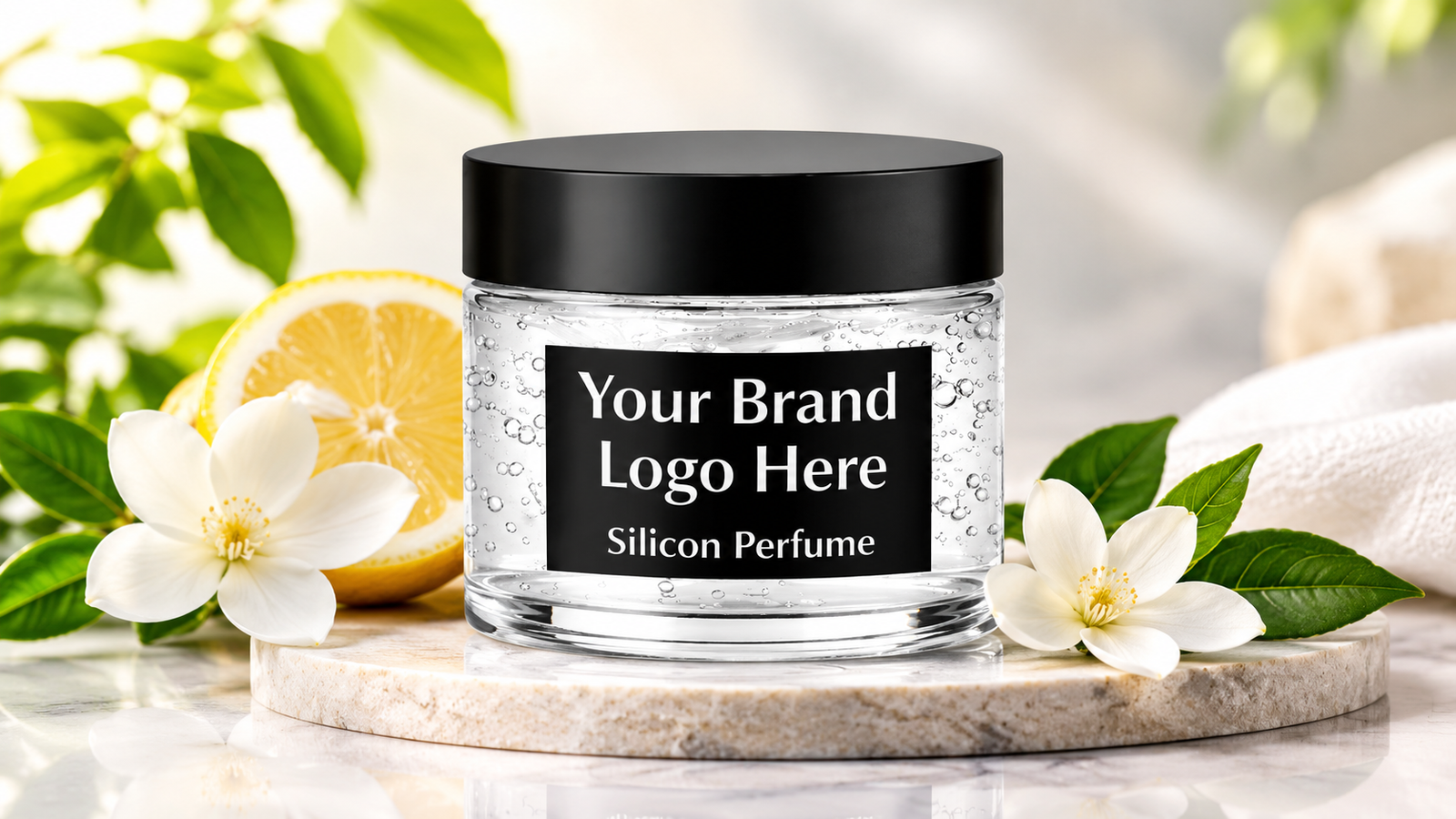
If you have a reference image, share it with the manufacturer when requesting a quotation. A clear image can help explain the style of the container, lid, label and overall presentation you have in mind. The supplier should confirm whether that exact product can be supplied or whether a different format would be more suitable.
How Does Private Label Manufacturing Work?
In a typical arrangement, the brand owner manages customer research, brand positioning, marketing, distribution and customer service. The manufacturing partner provides the product and handles the production or packaging activities agreed for the order. Depending on the supplier, services may include product selection, filling, packaging, labelling or other specified activities.
Not every supplier offers the same services. Some may supply an existing product that can be branded for resale, while others may discuss additional packaging or product requirements. Before proceeding, request a written explanation of what is included in the quotation, what you need to provide and which responsibilities remain with your business.
Who Can Consider This Business Model?
- New entrepreneurs: People exploring a fragrance business without investing immediately in their own production setup.
- Retailers: Businesses interested in developing products that fit their existing customer base.
- E-commerce sellers: Online businesses looking to build a recognisable product identity.
- Established brands: Companies exploring additional fragrance formats or expanding an existing range.
- Distributors: Businesses interested in branded products for their network of buyers.
- Gift businesses: Companies considering fragrance products as part of a gifting range.
Private label manufacturing can simplify some parts of product development, but it does not remove the need for financial planning, supplier checks, product quality management or compliance with applicable requirements. A business should understand these responsibilities before placing an order.
2. Private Label vs White Label Perfume
The terms private label perfume and white label perfume are often used in similar ways. White label commonly refers to an existing product that can be sold under a buyer's brand. Private label may involve more buyer-specific requirements, such as agreed packaging choices, labelling or product specifications. However, suppliers do not always use these terms consistently.
For this reason, compare the actual services offered rather than making a decision based only on the service name. Ask whether you can choose from existing products, whether packaging can be customised, which minimum order quantities apply and whether any additional setup charges are involved.
| Factor | White Label Perfume | Private Label Perfume |
|---|---|---|
| Product selection | Often based on an existing product | May include buyer-specific requirements |
| Branding | Buyer branding may be available | Brand identity is planned for the buyer |
| Packaging | Depends on available options | May include agreed packaging choices |
| Development | Often uses an existing product | May involve additional discussions |
| Minimum order | Supplier-dependent | Supplier-dependent |
| Lead time | Depends on stock and packaging | May depend on customisation and approvals |
| Cost structure | Depends on the product and services | May include additional customisation costs |
Which Option Should You Choose?
An existing white label product may be worth considering if you want to evaluate a market using a straightforward product brief. A private label arrangement with additional specifications may be more suitable if you have particular packaging, branding or product requirements.
The right choice depends on your budget, target audience, desired level of customisation and the supplier's capabilities. Compare quotations based on the same quantity, specifications and delivery terms. This makes it easier to identify the differences between the available offers.
3. Benefits of Private Label Perfume Manufacturing
Working with a third-party manufacturer may help a business enter the fragrance market without immediately investing in its own production operation. It can also allow the business owner to devote more attention to customer needs, branding and sales. The actual benefits depend on the supplier, product, agreement and the way the business is managed.
Build Your Own Brand Identity
Depending on the services available, you may be able to use your own brand name, logo and packaging design. Consistent branding helps customers recognise your product across your website, social media, retail displays and promotional materials. Before printing labels or packaging, check the proposed brand name and design for availability and appropriate usage rights.
Focus on Marketing and Sales
When agreed manufacturing activities are handled externally, your team can concentrate on customer acquisition, pricing, product presentation and distribution. You will still need to manage inventory, supplier communication, customer questions and order fulfilment. A manufacturing partner supports your business, but does not replace the need for a sales strategy.
Explore Packaging Options
Depending on the manufacturer, available options may include different jar styles, lids, labels, printing methods and outer packaging. Ask which options are standard and which require additional charges or higher minimum quantities. Review the suitability of the packaging as well as its visual appeal.
Test a Business Idea
A focused first product range may help you learn about customer response before expanding. Starting with a manageable number of products can make inventory management, product photography, advertising and customer feedback easier to organise. The aim is to collect useful market information while controlling unnecessary spending.
Plan for Future Expansion
Once you understand which products attract customers and which sales channels perform well, you can evaluate whether additional variants or packaging formats are appropriate. Expansion should be based on demand, working capital, customer feedback and reliable supply rather than assumptions alone.
4. Research Your Target Market
Before approaching third party perfume manufacturers, define the customers you want to serve. A clear target market makes it easier to choose a suitable product format, packaging style, selling price and marketing message. It also helps you explain your requirements to potential manufacturing partners.
Identify Your Customer Group
- Online shoppers: Customers who discover products through search engines, social media and e-commerce platforms.
- Retail stores: Buyers looking for products that fit their customers and price range.
- Gift buyers: Customers who value attractive presentation and convenient gifting options.
- Distributors: Businesses that need clear pricing, consistent supply and suitable resale margins.
- Corporate buyers: Organisations exploring branded products for promotional programmes or gifting.
- Local businesses: Retailers and resellers interested in adding a new product category.
Study Competing Products
Review products that serve a similar customer group. Look at their sizes, packaging, pricing, product descriptions and available customer feedback. Identify what customers appreciate and what they find confusing or inconvenient. This research can help you develop a more useful product offer and communicate it clearly.
Competitor research should help you understand the market, not encourage you to copy another company's logo, artwork or distinctive product presentation. Your brand should have its own identity and an honest reason for customers to consider it.
Choose a Suitable Price Range
Your expected selling price influences packaging choices, marketing budgets, distribution options and the amount you can spend on each unit. Research comparable products and consider what your target audience may reasonably pay. Then estimate whether your business can compete while covering manufacturing, fulfilment, marketing and other operating costs.
Define Your Brand Position
Your positioning could focus on accessible pricing, attractive presentation, convenience, gifting or a particular fragrance direction. Keep the message clear and make sure it accurately describes the product you intend to sell. A clear position helps guide your packaging design, website content, advertising and sales conversations.
Use Research to Make Better Decisions
Search phrases such as private label perfume manufacturing, white label perfume manufacturer and how to start a fragrance brand can help you understand what prospective business owners research online. Search volume alone does not guarantee enquiries or sales. Evaluate whether a topic attracts the type of customer you want and whether your page answers their actual questions.
5. How to Choose Your Private Label Perfume Product
Your product should suit your target customers, intended use, target price and the supplier's actual capabilities. Do not assume that every fragrance supplier manufactures every type of silicone perfume product. Confirm the product details directly before including them in your business plan or marketing materials.
Confirm the Exact Product Format
Share your reference image or a physical sample with the supplier. Ask for written confirmation of the product format, available sizes, packaging compatibility, intended use and specifications. If you are interested in the jar shown in the Citrus Bloom image, ask whether that exact style is available or whether the supplier offers a suitable alternative.
A product image is useful for communicating design preferences, but it does not confirm composition, size, ingredients or manufacturing capability. Obtain the information you need from the supplier before finalising your order.
Evaluate Fragrance Preferences
Depending on the product and supplier, you may be able to discuss fresh, citrus, floral, fruity, woody or warm fragrance directions. The right choice depends on your target audience and the range you want to develop. Consider how the fragrance direction fits your brand identity and expected selling price.
Where samples are available, evaluate them before approving the final product. Record the selected sample and agreed specifications so both parties have a clear reference for the order. Ask the supplier how the approved sample relates to the bulk product and which checks are carried out during production.
Prepare a Product Brief
A useful product brief should give the manufacturer enough information to understand what you need. Include the following details:
- Reference image or sample.
- Required product format and size.
- Preferred fragrance profile, where applicable.
- Target customer and intended selling price.
- Brand name, logo and label requirements.
- Packaging preferences and estimated order quantity.
- Expected launch date and delivery destination.
- Any specific product documentation you require.
Providing these details at the beginning can help suppliers respond with more relevant information and reduce unnecessary back-and-forth communication. If some details are not finalised, explain what is confirmed and what you still need guidance on.
Keep the First Range Manageable
Launching many products at once can increase inventory requirements and make marketing more complicated. Consider starting with a focused range that matches your budget and customer research. A smaller range can make it easier to test product descriptions, pricing and sales channels.
After launch, use actual customer feedback and sales results to decide whether additional variants are worthwhile. This approach helps you avoid investing heavily in products before you understand their market demand.
6. How to Choose a Private Label Perfume Manufacturer
Choosing a suitable manufacturing partner is one of the most important decisions when developing your own fragrance brand. Compare relevant suppliers carefully and verify their claims before making a commercial commitment. A supplier should be able to explain its capabilities, requirements, pricing structure and order process clearly.
Check Relevant Product Experience
Ask whether the supplier can provide the exact product format you require. A company may manufacture some fragrance products but not necessarily every jar, formulation or packaging style. Confirm product availability directly instead of assuming it from general marketing information.
Ask About Minimum Order Quantity
MOQ means minimum order quantity. It can vary according to the product, packaging components, customisation and production arrangements. Ask whether the MOQ applies per product, variant, label design or total order. Also check whether the supplier offers different quantities for standard and customised products.
Understanding MOQ is especially important for a new business. An order that is too large can tie up working capital, while a very small order may have a higher unit cost or may not be available for the product you want. Compare the required quantity with your realistic sales plan.
Review Samples and Specifications
Where samples are available, assess the product's appearance, packaging and relevant fragrance characteristics. Confirm the specifications in writing and ask how the bulk product will be checked against the approved sample. Keep records of the sample, artwork and final product agreement.
Compare Complete Quotations
A low unit price may exclude packaging, artwork, transport, samples or setup charges. Compare quotations using the same product specifications, order quantity, delivery location and included services. Ask the supplier to identify any additional costs that may apply before production or dispatch.
| What to Check | Questions to Ask |
|---|---|
| Product capability | Can you supply this exact perfume format? |
| Branding | Which logo, label and packaging options are available? |
| MOQ | What is the minimum quantity per product or variant? |
| Samples | Can I review a sample before bulk production? |
| Quality | Which specifications and quality checks apply? |
| Documents | Which product and batch documents can be supplied? |
| Delivery | What are the estimated production and delivery timelines? |
| Payment | What are the payment milestones and cancellation terms? |
Evaluate Communication and Support
Good communication helps prevent misunderstandings about specifications, packaging and timelines. Notice whether the supplier answers questions clearly, explains limitations and provides written information when requested. Before paying an advance, make sure you understand the order terms, cancellation conditions and process for handling quality concerns.
If you are evaluating Unico Pharmaceuticals, visit the About Us page and the certificates page to review the information published on the website. Contact the team to confirm whether your exact product format, MOQ, packaging and other requirements can be accommodated.
You can also visit the silicon perfume manufacturing page to discuss your requirements directly. Product availability, specifications, pricing and timelines should be confirmed with the company before placing an order.
7. The Private Label Perfume Manufacturing Process
The exact process depends on the manufacturer, product and services requested. A typical private label project may include several stages, from the first enquiry to final delivery. Understanding these stages can help you plan your launch and prepare the information a supplier needs.
Step 1: Submit Your Enquiry
Explain what you want to manufacture, the approximate quantity, packaging preferences, branding requirements and intended market. Attach your reference image if it helps explain the product format. Mention your expected launch timeline and delivery location so the supplier can assess your requirements more accurately.
Step 2: Confirm Feasibility and Pricing
The supplier reviews your requirements and explains product availability, MOQ, pricing, included services and estimated timelines. Ask for any exclusions or additional charges to be listed clearly. If your requested product is not available, discuss suitable alternatives before making changes to your product plan.
Step 3: Review Samples
Where samples are available, evaluate them against your product brief. Check the appearance, container, closure, label area and other relevant features. Confirm the selected product and agreed specifications before approving production.
Step 4: Approve Packaging Artwork
Provide the correct brand logo and label artwork. Check spelling, dimensions, product information and applicable declarations. Review a final proof before giving approval for printing. Keep the approved artwork on record so future orders can refer to the same design or document any changes.
Step 5: Confirm the Commercial Order
Record the product, quantity, price, payment terms, delivery details and estimated timeline in writing. Make sure both parties understand the approved specifications and the responsibilities included in the order. Do not assume that verbal discussions automatically cover details omitted from the final quotation.
Step 6: Production and Quality Checks
Ask which quality procedures and batch records apply to your order. Confirm how defects, damaged packaging or deviations from agreed specifications will be handled. The checks required will depend on the product and the applicable quality and regulatory requirements.
Step 7: Dispatch and Receiving
Plan the delivery and check the received quantity, packaging condition and relevant documents before distributing products. Report any issues promptly and follow the agreed process for resolving them. Store products according to the supplier's instructions and applicable product requirements.
Step 8: Prepare for Reordering
Once your product begins selling, monitor inventory and discuss repeat-order lead times with your supplier. Keep the approved specifications, packaging artwork and purchase records organised. Planning reorders in advance may help you manage stock more effectively and avoid unnecessary interruptions to sales.
8. Packaging and Branding for Your Perfume Brand
Packaging plays an important role in product recognition, shelf presentation, transport protection and customer experience. It should be visually appealing while remaining practical for the intended product and sales channel. The packaging must also be compatible with the product and meet the relevant requirements for its intended use.
Create a Recognisable Brand Identity
Choose a brand name, logo and visual style that fit your target audience. Consistency across product labels, website pages, social media and advertising can make your business easier to recognise. A clear identity also helps customers distinguish your product from similar products in the market.
Before investing in packaging, check that you have the right to use your proposed brand name and design. Avoid copying another company's logo, artwork or protected branding without permission. Keep original design files and approved versions organised for future orders.
Choose Suitable Packaging
Discuss available jar styles, lids, label materials and outer packaging with the supplier. Consider appearance, ease of use, durability, storage and delivery conditions. Ask whether the chosen container and closure are appropriate for the product being supplied.
Do not select packaging only because it looks attractive in a photograph. Confirm that it is suitable for the actual product and intended use, and ask about compatibility and transport requirements where relevant. A practical packaging choice should balance presentation, protection and cost.
Check Label Information
Review the product name, brand name, quantity, manufacturer details, batch information, directions and applicable warnings or declarations. Exact requirements depend on the product classification and sales market. Ask the relevant supplier or compliance professional to help clarify requirements when needed.
Approve the Final Artwork
Check the label carefully before approving production. A small spelling mistake or incorrect product detail can create avoidable expense if packaging has already been printed. Confirm dimensions, text readability and the placement of important information.
Keep a copy of the final approved artwork with your order records. If you update the design later, document the new version and confirm when it should be used. Attractive branding can help your product stand out, but packaging and marketing claims should accurately represent the product supplied.
9. Private Label Perfume Manufacturing Costs and Pricing
The cost of private label perfume manufacturing depends on the product, order quantity, packaging, customisation, shipping and other commercial terms. There is no single price that applies to every product or supplier. To understand whether a product is commercially viable, calculate the full cost rather than comparing unit prices alone.
Main Cost Components
- Product cost: The quoted cost of the product itself.
- Packaging: Jar, lid, label, box and other packaging components.
- Branding: Printing, artwork preparation and customisation charges.
- Samples and setup: Applicable sampling or setup fees.
- Transport: Freight, handling and delivery expenses.
- Taxes and compliance: Applicable taxes, testing or documentation expenses.
- Marketing: Website, product photography, advertising and promotional activities.
- Inventory: Storage, working capital and an allowance for damaged stock.
- Sales expenses: Marketplace fees, payment processing and fulfilment where applicable.
Calculate the Complete Cost Per Unit
To evaluate profitability, calculate the full cost of getting each sellable unit ready for the customer. Include manufacturing, packaging, delivery, applicable taxes, platform fees, fulfilment, discounts and expected marketing costs. Your final calculation should reflect your own quotation and selling model.
Net selling price: ₹300 per unit
Variable cost per unit: ₹180
Contribution per unit: ₹120
This is an example only, not a product quotation or guaranteed profit. Fixed expenses, taxes and other costs may reduce the final profit.
Understand Contribution and Profit
The difference between the net selling price and variable costs is often called contribution per unit. It helps you estimate how much is available to cover fixed expenses and contribute to profit. If your selling price is too close to your total variable cost, there may not be enough margin to support marketing, overheads and future growth.
Request a Detailed Quotation
Ask suppliers to clarify the quantity, product specifications, packaging, payment terms, delivery conditions and services included in the quotation. If two quotations differ significantly, check whether they cover the same product and scope of work. A clear comparison can prevent unexpected costs after an order is placed.
Plan Working Capital
Your budget should cover more than the initial manufacturing order. You may also need funds for website development, marketing, storage, shipping, customer support and reorders. Keep some flexibility for unexpected costs and avoid basing your entire plan on optimistic sales estimates.
Review Pricing Regularly
Product costs and selling expenses can change over time. Review your actual costs after the first order and compare them with your initial estimates. If a product performs well, use real sales information to plan future quantities and discuss whether a different order size or packaging option could improve the overall economics.
10. Quality, Labelling and Compliance
Quality and legal compliance should be considered before launching a perfume product. Applicable requirements depend on the product classification, ingredients, intended use and country of sale. A brand owner should not assume that a general product description or a supplier's marketing statement is enough to establish compliance.
Confirm Product Specifications
Keep written specifications for the product and packaging, along with details of the approved sample where applicable. Ask which quality checks and batch documents are available for your specific order. Make sure the final product can be identified clearly in purchase records and supplier correspondence.
Check Applicable Requirements
Determine which manufacturing, labelling, safety and consumer-protection requirements apply to your product and market. Do not assume that a certificate or approval for one product automatically covers every product a company may supply. Verify the relevance and scope of documents before relying on them.
If you plan to sell in multiple countries, check the requirements for each intended market before placing a commercial order. Different markets may have different rules for product information, claims, packaging and documentation.
Use Accurate Product Claims
Avoid unsupported claims about ingredients, performance, longevity, safety or benefits. Your website content, product label and advertising should match the evidence available for the actual product. If you are unsure whether a claim is acceptable, seek appropriate compliance guidance before publishing it.
Maintain Documentation
Keep purchase records, approved artwork, specifications, supplier correspondence and relevant batch documents. Good records can help with inventory management, repeat orders and customer queries. They can also make it easier to investigate a concern and communicate clearly with the supplier.
Plan for Customer Feedback
Set up a clear process for receiving customer questions and complaints. Record relevant details and contact the supplier when an issue needs investigation. Do not make unsupported assurances about a product issue before checking the facts and following the appropriate process.
11. How to Start a Perfume Brand: Step-by-Step Plan
If you are researching how to start a perfume brand or how to start a fragrance brand, use a structured launch plan to organise product decisions, budget and sales activities. A clear sequence of tasks can help you identify missing information before committing money to manufacturing.
Step 1: Research Demand
Study your target customers, competing products, common price points and preferred formats. Use customer conversations, reviews and relevant search trends to identify a realistic business opportunity. Consider where customers currently buy similar products and what could make your offer relevant to them.
Step 2: Define Your Brand
Decide what your brand should be known for. Your positioning should guide the product, packaging, website content and advertising. Keep the promise clear and avoid claims that cannot be supported. A simple, consistent message is easier to communicate across different sales channels.
Step 3: Compare Manufacturers
Contact relevant suppliers and share the same product brief with each. Compare product capabilities, sample options, MOQ, pricing, timelines and available documentation. Ask follow-up questions wherever the quotations differ so that you can compare them fairly.
Step 4: Finalise Product and Packaging
Review samples where available, approve the artwork and verify product details. Make sure the supplier has the final approved specifications before production starts. Record the agreed quantity, price and timeline so there is a clear reference for the order.
Step 5: Prepare Your Sales Channels
Depending on your business model, you may sell through your own website, online marketplaces, social media, retail partners or distributors. Prepare product photos, descriptions, pricing and customer support processes before launch. Make sure the information published online accurately reflects the product being sold.
Step 6: Create a Marketing Plan
Decide how potential customers will discover your product. Search engine optimisation, paid advertising, social media content, email marketing and retail relationships may each play a role, depending on your audience and budget. Prioritise the channels you can manage consistently and measure their results.
Step 7: Launch Carefully
Set a realistic launch budget and monitor enquiries, conversion rates, customer feedback, returns and repeat purchases. Start with manageable inventory and use actual performance to guide future orders. Avoid assuming that a high number of website visits will automatically result in sales.
Step 8: Improve Based on Results
Review which channels generate relevant customers and which products receive the strongest response. Use this information to improve pricing, packaging, product descriptions and promotional activity. Sustainable growth depends on a viable business model and a consistent customer experience.
12. Marketing and Selling Your Private Label Perfume
Manufacturing is only one part of building a perfume brand. Customers also need to discover your product, understand what you offer and feel confident enough to consider purchasing it. Your marketing approach should reflect your audience, budget, sales channel and product positioning.
Build a Useful Product Page
Your website product page should explain the product clearly. Include accurate product details, packaging information, available sizes, intended use and purchasing instructions. Use clear product photography and make it easy for customers to contact your business with questions.
If your business targets wholesale buyers or private label enquiries, provide a separate route for business customers. Explain how buyers can request information about minimum order quantities, packaging options, pricing and product availability. Do not publish unconfirmed commercial details as if they apply to every order.
Use Search Engine Optimisation
SEO can help your website appear when potential customers search for relevant products or manufacturing services. Use a clear page title, descriptive headings, useful content and relevant internal links. Include target phrases naturally rather than repeating them in every paragraph.
Search terms such as private label perfume manufacturing, private label perfume manufacturer, white label perfume manufacturer and silicone perfume manufacturer may be relevant to different buyer needs. Select keywords based on your actual target market and the services your business can provide.
Use Product Photography Carefully
Clear photographs help customers understand the appearance and packaging of a product. Use images that accurately represent the item being supplied. If a reference image is used during product development, confirm that the final product matches the image before using it as a definitive product representation.
Explore Business-to-Business Marketing
For a B2B model, useful marketing materials may include a product catalogue, enquiry form, company information, packaging examples and a clear process for requesting a quotation. Respond to enquiries with relevant information rather than sending the same generic response to every buyer.
Measure Marketing Performance
Track enquiries, qualified leads, sales, average order value and customer acquisition costs where applicable. A campaign that produces many visits but few relevant enquiries may need better targeting or clearer product information. Review actual results before increasing the budget.
Build Trust Through Clear Communication
Make it easy for customers and business buyers to ask questions. Provide accurate information about availability, lead times and commercial terms. Explain what needs to be confirmed before an order is accepted. Clear communication helps establish realistic expectations and supports a better customer experience.
13. Common Mistakes to Avoid
Choosing a Supplier Only on Price
A low quotation may exclude packaging, transport, samples or other services. Compare the full cost, specifications and supplier capabilities before making a decision. The cheapest offer is not necessarily the most suitable if it does not meet your product requirements.
Ignoring Minimum Order Quantity
A large order can tie up working capital, especially when customer demand is not yet established. Confirm the MOQ and assess whether the order size fits your budget and sales plan. Ask whether the MOQ changes for different variants or customised packaging.
Skipping Sample Approval
Whenever samples are available, review them before bulk production. Keep the approved specifications in writing and document any agreed changes. This gives both parties a clearer reference when preparing the order.
Overlooking Packaging Details
Incorrect artwork, unsuitable packaging or unclear label information can lead to avoidable delays and costs. Check the final design carefully before approving production. Make sure the selected packaging is appropriate for the product and its intended use.
Making Unverified Claims
Avoid publishing claims that are not supported for the actual product. Keep product descriptions, labels and advertisements accurate and consistent. Verify the information supplied by the manufacturer before using it in marketing materials.
Launching Without a Marketing Plan
Manufacturing is only one part of building a brand. You also need a clear plan for customer discovery, product presentation, sales and support. Identify how customers will find your product and how you will measure whether those activities are working.
Ordering Too Many Variants
Too many initial variants can complicate stock management and promotional planning. Start with a manageable range and expand based on customer feedback and sales data. Review the cost and demand for each product before increasing inventory.
Failing to Confirm Commercial Terms
Unclear payment terms, delivery schedules or responsibilities can cause misunderstandings. Read the quotation carefully and keep important agreements in writing. Confirm how changes, delays and quality concerns will be handled before the order is finalised.
14. Private Label Perfume Pre-Order Checklist
Before confirming an order, use the following checklist to review the important details. It can help you identify missing information and make the conversation with a manufacturing partner more productive.
- Define your target audience and intended sales channel.
- Confirm the exact product format and intended use.
- Share a reference image or sample where available.
- Confirm the product specifications and available sizes.
- Ask about fragrance options, if applicable.
- Confirm minimum order quantity for each product or variant.
- Request a detailed quotation with all relevant charges.
- Review samples before approval where available.
- Confirm the branding and packaging options offered.
- Check label information and applicable requirements.
- Approve final packaging artwork in writing.
- Confirm production and delivery timelines.
- Understand payment terms and cancellation conditions.
- Ask which quality checks and documents are available.
- Prepare a realistic inventory and marketing budget.
- Keep copies of the quotation, specifications and approvals.
Is Private Label Perfume Right for Your Business?
Private label manufacturing may suit entrepreneurs, retailers and established businesses that want to sell fragrance products under their own brand without building a complete manufacturing operation. It can provide a practical route to developing a branded product, provided the supplier, product, pricing and target market fit together.
Before committing to an order, make sure you can answer these questions: Who is your intended customer? Can the supplier provide your exact product format? What are the MOQ, complete cost and estimated lead time? Have you reviewed the available sample and packaging options? Do you understand the applicable labelling requirements? Have you prepared a realistic sales and marketing plan? Can your business fund the initial order and future reorders?
Clear answers will help you compare suppliers, prepare a realistic budget and reduce avoidable surprises during product development and launch. If any important detail remains unclear, resolve it with the supplier before confirming the order.
Planning Your Own Perfume Brand?
Share your product format, packaging preferences, branding requirements and estimated order quantity with Unico Pharmaceuticals. Contact the team to confirm product availability, MOQ, pricing and timelines for your requirements.
Contact Unico PharmaceuticalsFrequently Asked Questions
1. What is private label perfume manufacturing?
Private label perfume manufacturing is an arrangement where a business sells a fragrance product under its own brand while a supplier provides the product and agreed manufacturing or packaging services. The exact services depend on the supplier and commercial agreement.
2. What is silicone perfume?
The term can be used differently by buyers and suppliers. Confirm the exact product format, composition, intended use, packaging and specifications with the manufacturer before placing an order.
3. What is the difference between private label and white label perfume?
White label often refers to an existing product that can be branded for resale, while private label may involve more buyer-specific requirements. Definitions vary by supplier, so confirm the exact services included.
4. How do I find a white label perfume manufacturer?
Look for suppliers with relevant experience in your product format. Compare sample availability, MOQ, pricing, packaging, documentation, communication and delivery terms before choosing.
5. What is the minimum order quantity for private label perfume?
MOQ depends on the supplier, product, packaging and customisation. Ask whether minimum quantities apply per product, variant or packaging design, and confirm the applicable quantity in writing.
6. How much does private label perfume manufacturing cost?
Costs depend on product type, quantity, packaging, branding, samples, shipping, taxes and other services. Request a detailed quotation based on your exact requirements.
7. Can I sell perfume under my own brand name?
Private label arrangements may allow you to sell products under your own brand, subject to the supplier's services, the agreement and applicable legal requirements. Confirm branding rights and label responsibilities before ordering.
8. How do I start a perfume brand with a manufacturer?
Define your target market, prepare a product brief, compare manufacturers, review samples, approve packaging, confirm costs and plan your sales and marketing before launch.
9. Can a manufacturer customise perfume packaging?
Some manufacturers offer branding, labels and packaging options, but services vary. Ask which containers, printing methods, artwork formats and minimum quantities are supported.
10. What should I check before placing a bulk order?
Confirm product specifications, approved sample, MOQ, final quotation, artwork, production timeline, payment terms, quality documentation and applicable labelling requirements.
11. How can I calculate the cost of a private label perfume product?
Include the product, packaging, branding, transport, applicable taxes, fulfilment, marketing and other relevant expenses. Compare the complete cost with your expected net selling price before deciding on a selling price.
12. How long does private label perfume manufacturing take?
Timelines depend on product availability, order quantity, packaging, artwork approvals and the supplier's production schedule. Ask for an estimated timeline for your exact requirements and confirm it before ordering.
13. What packaging should I choose for my perfume brand?
Choose packaging that fits your target audience, product format, price range and sales channel. Confirm product compatibility, available options, transport suitability and costs with the supplier.
14. Why are product samples important?
Samples help you evaluate the product and packaging before committing to a larger order. Where available, keep the approved sample and specifications as a reference for the order.
15. How can I contact Unico Pharmaceuticals about silicone perfume?
Visit the silicon perfume manufacturing page or the contact page to discuss your requirements and confirm product availability, MOQ, pricing and timelines.