
Planning to launch your own perfume brand? Finding the right manufacturing partner is one of the first important decisions for your business. Whether you are a startup, an established cosmetics brand, a retailer or a distributor, working with an experienced manufacturing company can help you understand product options, packaging requirements and bulk production planning. Before placing an order, it is important to evaluate the manufacturer's capabilities, quality procedures, commercial terms and ability to meet your business requirements.
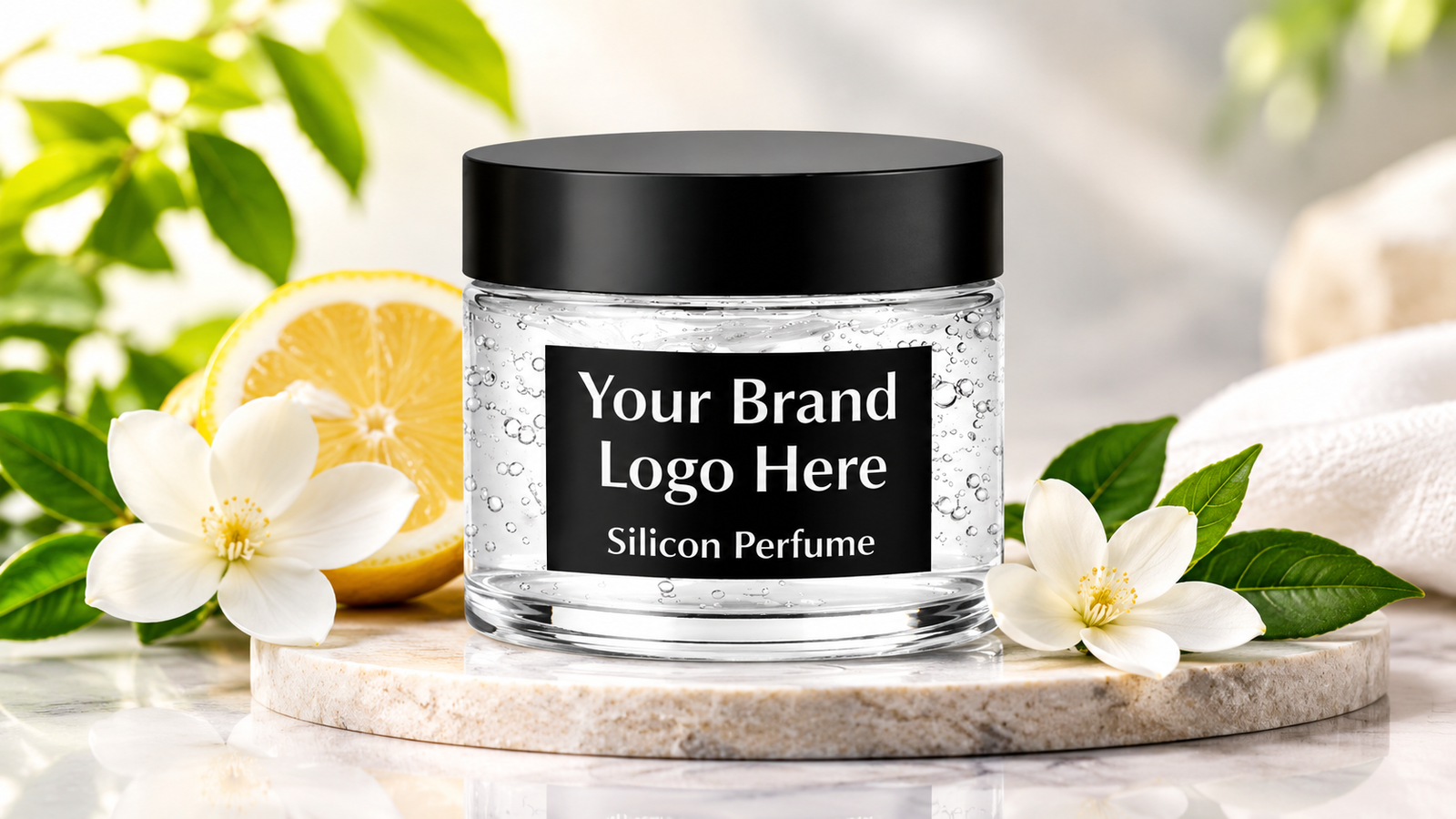
Perfume product presentation for brand development, packaging planning and B2B manufacturing discussions.
Searching for a reliable perfume manufacturer in India is not just about finding a company that can supply a product. You need a partner who understands your requirements, explains available manufacturing options and provides clear information about order quantities, packaging, pricing and production timelines.
For businesses planning to launch their own fragrance range, private label perfume manufacturers and third party perfume manufacturers may offer different production arrangements. Understanding these options can help you select a suitable approach for your brand instead of investing in a manufacturing setup from the beginning.
This guide explains how perfume manufacturing partnerships work, what buyers should check before placing an order, how to plan private label products and what information to share when contacting a perfume manufacturing company in India.
Quick answer: Before selecting a perfume manufacturer, confirm the exact product category, manufacturing capability, available packaging, MOQ, sample process, quality documentation, pricing and delivery timeline. Always request a project-specific quotation and written confirmation of the services offered.
1. Why Choose a Perfume Manufacturer in India?
India has a growing business ecosystem for cosmetics, personal care and fragrance products. Brands looking to introduce a new product range can explore manufacturing partnerships instead of setting up their own production infrastructure. This can allow business owners to focus more on brand development, marketing, distribution and customer relationships.
However, choosing a perfume manufacturer in India requires more than comparing prices. Different manufacturers may specialise in different product categories, production methods and packaging formats. A company that offers one type of perfume product may not necessarily manufacture every other fragrance format.
Benefits of working with an Indian manufacturing partner
- Business coordination: Direct communication about product requirements, samples, packaging and order planning.
- Manufacturing support: Access to available production services without independently establishing a manufacturing facility.
- Brand development: Opportunities to discuss private label or branded product arrangements where offered.
- Bulk order planning: Quotations based on product specifications and required quantities.
- Supply coordination: Discussion of production schedules, dispatch arrangements and repeat orders.
Choose according to your product requirements
Before approaching a supplier, identify the perfume category you want to develop. For example, solid perfume, car perfume, attar and other fragrance formats may have different product and packaging requirements. Share the intended application and product reference so the manufacturer can assess whether the requested product falls within its capabilities.
Businesses researching a perfume manufacturing company in India should compare product-specific experience, quality systems, available options and commercial transparency rather than relying only on general manufacturing claims.
2. What Are Private Label Perfume Manufacturers?
Private label perfume manufacturers work with businesses that want to sell products under their own brand name. Instead of operating their own manufacturing facility, the brand works with a supplier for the production services included in their agreement.
Depending on the manufacturer, a private label arrangement may involve selecting an available product, discussing packaging, preparing branded labels and confirming the order specification. Some suppliers may offer additional customisation, while others may work with a more limited range of standard options.
How private label perfume manufacturing works
- Share your product idea: Explain the fragrance category, intended use and target customers.
- Discuss available options: Ask which product formats, specifications and packaging choices the manufacturer supports.
- Confirm branding requirements: Discuss brand name, label design, packaging artwork and other agreed requirements.
- Review samples: Where available, assess the sample against your intended product specification.
- Approve the quotation: Confirm quantity, pricing, MOQ, payment terms and estimated production schedule.
- Proceed with production: Begin manufacturing after the required approvals and commercial formalities are completed.
Who should consider private label manufacturing?
- Entrepreneurs planning to launch their own perfume or fragrance brand.
- Existing cosmetic brands interested in adding fragrance products.
- Retailers looking to develop products under an exclusive brand identity.
- Distributors planning to expand their product portfolio.
- Businesses exploring a new product category without establishing their own factory.
What should you confirm with a private label supplier?
Ask whether the manufacturer provides standard products, customised options, branding support, packaging arrangements and sample evaluation. Also confirm whether customisation affects MOQ, pricing or production time.
Businesses looking for private label perfume manufacturers in India should remember that the level of customisation differs from one supplier to another. Always confirm the actual services available before finalising your brand launch plan.
3. Understanding Third-Party Perfume Manufacturing
Third party perfume manufacturers provide manufacturing services for businesses that prefer to outsource production. Under this arrangement, the brand or buyer coordinates with an external manufacturing partner according to agreed product specifications and commercial responsibilities.
This model can be useful for businesses that want to focus on selling, distribution, marketing and brand development rather than managing their own manufacturing operations.
How third-party manufacturing supports a business
A third-party arrangement can help organise production according to a defined requirement. The buyer and manufacturer discuss the product category, available specifications, packaging, quantity, quality procedures and delivery schedule before confirming the order.
The exact services depend on the supplier. Some manufacturers may offer product selection and packaging support, while others may work only with specific production requirements. Therefore, it is important to understand the scope of the agreement.
What should buyers ask third-party manufacturers?
- Can the company manufacture the exact perfume product required?
- Which product specifications and packaging options are available?
- Is sample evaluation possible before bulk production?
- What is the minimum order quantity?
- Which quality checks and documents are relevant to the product?
- What is included in the manufacturing quotation?
- Who is responsible for labels, packaging materials and dispatch?
- What are the expected production and delivery timelines?
Why written manufacturing terms matter
Before confirming an order, document the approved product specification, quantity, packaging, pricing, payment schedule and delivery terms. Also clarify the responsibilities of both parties for product information, labelling and applicable market requirements.
Clear documentation can help prevent misunderstandings during sampling, production and repeat orders.
4. Private Label vs White Label vs Third-Party Manufacturing
These manufacturing terms are often used when businesses search for suppliers. However, their exact meaning and service scope may vary between companies. Instead of assuming that every supplier offers the same arrangement, ask for a clear explanation of what is included.
| Manufacturing Model | What It Generally Involves | What Buyers Should Confirm |
|---|---|---|
| Private Label | A product supplied or manufactured for sale under your brand. | Branding, packaging and available customisation options. |
| White Label | An existing product offered for branded resale. | Standard product options and permitted branding changes. |
| Third Party | Production outsourced to an external manufacturer. | Production scope, responsibilities and commercial terms. |
| Contract Manufacturing | Production under an agreed manufacturing arrangement. | Specifications, quantities, quality requirements and timelines. |
Which manufacturing model is right for your business?
The right arrangement depends on how much product customisation you need, the available budget, your launch timeline and the supplier's capabilities.
If you want to introduce a product under your own brand, private label manufacturing may be worth exploring. If you are comfortable with an existing product and standard options, a white label arrangement may be suitable. If you want to outsource production according to agreed requirements, explore third-party manufacturing.
Discuss your exact requirements with the supplier before selecting a model. The final agreement should clearly explain the services being provided.
5. Benefits for Brands, Startups and Distributors
Working with a suitable manufacturing partner can support businesses at different stages of growth. The benefits depend on the manufacturer's services and how well the arrangement matches your product and commercial requirements.
For new perfume brands
New entrepreneurs can explore manufacturing options without immediately investing in their own production infrastructure. This allows them to concentrate on customer research, branding, pricing and market entry while evaluating the supplier's available services.
For established cosmetic brands
Existing brands may explore fragrance products as an additional category. A manufacturing partner can help assess available formats, product specifications and packaging requirements according to the business's expansion plan.
For distributors and wholesalers
Distributors may be interested in branded products, bulk quantities and a reliable supply arrangement. Before ordering, they should confirm MOQ, repeat-order availability, pricing, dispatch terms and product documentation.
For retailers and private label businesses
Retailers planning their own product identity can discuss branding, packaging and product selection with a supplier. It is important to understand which elements can be customised and whether the manufacturer has separate requirements for each product variant.
Business tip: Do not choose a manufacturer only because it offers the lowest unit price. Compare product suitability, quality procedures, packaging, MOQ, additional charges and delivery commitments before making a decision.
6. How to Plan Your Perfume Product Before Manufacturing
A clear product brief makes the manufacturing discussion easier. It helps the supplier understand your requirements and allows you to receive a more relevant quotation instead of going through multiple rounds of basic clarification.
1. Identify your target customers
Think about who will purchase your product. Are you targeting individual consumers, premium retail customers, gift buyers, distributors or another business segment? Your target audience influences product positioning, packaging, pricing and marketing.
2. Select the perfume category
Define the product format before approaching manufacturers. Your requirement may relate to solid perfume, attar, car perfume, silicon perfume or another fragrance category. Each category can have different manufacturing and packaging requirements.
Do not assume that one manufacturer offers every category. Ask the supplier to confirm its capabilities for the specific product you want to develop.
3. Decide the product positioning
Decide whether your product will be positioned for everyday use, gifting, a premium-looking collection or another customer segment. Your packaging, product description and price should support the same positioning.
4. Prepare a product specification
Share the important details, such as:
- Product category and intended application.
- Preferred fragrance direction or reference product.
- Required product size or packaging format.
- Branding and label requirements.
- Expected initial order quantity.
- Target customer and sales market.
- Any specific quality or documentation requirements.
5. Review samples before bulk production
If samples are available, evaluate them against the product brief. Record your feedback and confirm which sample version is approved. Ask whether sampling charges, revisions or additional development costs apply.
6. Calculate your total business budget
Include manufacturing, packaging, transport, marketing, product photography, storage and fulfilment expenses. Also consider the working capital required after placing your first order.
A suitable manufacturing plan should match the quantity you can realistically sell, not just the quantity that gives you a lower quoted unit price.
7. Perfume Packaging and Branding Options
Packaging is an important part of how customers recognise and experience a product. It also needs to be suitable for the product's physical format, storage and intended use.
Choose packaging according to the product
Ask the manufacturer which container and packaging formats are available for your selected product category. Consider material compatibility, product size, closure, ease of use and available label space.
Develop a consistent brand identity
Your brand name, typography, colours and packaging design should create a consistent product presentation. Make sure the final design is easy to read and appropriate for your target market.
Check product labelling
Review the product name, brand information, net quantity, ingredients where applicable, directions, warnings and required manufacturer or marketer details. Labelling requirements depend on the product and destination market, so confirm the applicable requirements before printing.
Approve artwork before production
Review the final artwork carefully before approving bulk printing. Check spelling, dimensions, label placement and all required information. Keep a copy of the approved design for future production orders.
Plan packaging for transport
If you plan to sell online or supply distributors, discuss suitable outer packaging and transportation requirements. Confirm how finished products should be stored and handled.
8. How to Choose the Right Perfume Manufacturer in India
Choosing a manufacturing partner is an important business decision. The right supplier should be able to explain its product capabilities, manufacturing process, quality procedures and commercial terms clearly.
When comparing private label perfume manufacturers in India, use the following points to evaluate suppliers before committing to an order.
1. Check product-specific manufacturing capabilities
First, confirm whether the company manufactures the exact perfume category you require. Ask for details about the available product formats and specifications. Do not assume that general cosmetics manufacturing experience automatically means the supplier offers every fragrance product.
2. Understand the manufacturing process
Ask how the enquiry, product selection, sample approval, quotation and production stages are managed. A supplier should be able to explain the process and identify which information is required from your side.
3. Review packaging and customisation options
Ask whether the manufacturer offers standard packaging, branded labels or other agreed customisation services. Confirm whether any specific packaging requirement affects the minimum order quantity or production schedule.
4. Ask about samples
Where available, evaluate samples before approving a bulk order. Confirm the sample charges, approval process and whether the approved version will be used as the production reference.
5. Compare MOQ and pricing
Request a written quotation based on your exact product specification and quantity. Compare unit price, packaging, taxes, additional charges, payment terms and delivery costs rather than considering only the headline price.
6. Verify quality systems and documentation
Ask about the quality procedures and documents relevant to the proposed product. If the supplier claims certification, review the actual certificate, its issuing organisation, validity and applicable scope.
You can also review the UNICO Pharmaceuticals certificates page for company documentation and confirm directly which documents apply to the relevant facility and service.
7. Evaluate communication and support
Pay attention to how clearly the company responds to questions. The supplier should explain available options, identify limitations and provide practical information about the ordering process.
8. Confirm production and delivery timelines
Production time may depend on product availability, packaging materials, artwork approval, order quantity and scheduling. Ask for an estimated timeline and confirm when the production period officially begins.
9. Put the commercial agreement in writing
Before approving production, document the product specification, quantity, payment schedule, packaging, quality responsibilities, dispatch terms and other agreed conditions.
Manufacturer selection checklist
- Confirmed capability for your required perfume category.
- Clear product specification and available options.
- Transparent sample and approval process.
- Written MOQ and pricing details.
- Relevant quality documentation.
- Suitable packaging and labelling arrangements.
- Realistic production and dispatch estimates.
- Clear communication and written responsibilities.
9. Quality Checks and Manufacturing Documentation
Product quality should be considered from the beginning of the manufacturing project. The checks required depend on the product category, formulation, intended use and destination market.
Product specifications
Maintain a clear written specification covering the agreed product characteristics, appearance, fragrance profile, packaging and other relevant details. Both parties should refer to the same approved specification during production.
Batch identification and records
Ask the manufacturer how production batches are identified and what records are maintained. Confirm which relevant documents can be shared with your business and which records should be retained for future reference.
Packaging suitability
Packaging should be appropriate for the actual product. Discuss the suitability of the selected container, closure and material. If your business supplies its own packaging, clarify who is responsible for confirming its compatibility.
Product labels and claims
Product descriptions and marketing claims should accurately represent the finished product. Avoid unsupported claims about fragrance performance, ingredients, safety or other characteristics. Review applicable labelling requirements before finalising artwork.
Verify manufacturing certifications
When evaluating a perfume manufacturing company in India, review any certifications or quality documents provided by the supplier. Check the issuing organisation, facility, validity and exact scope instead of relying only on certification logos or website statements.
For company information, visit UNICO Pharmaceuticals About Us and review the certificates page.
10. MOQ, Pricing and Bulk Perfume Manufacturing
Manufacturing cost is an important consideration when launching a new product. However, there is no single price or minimum order quantity applicable to every perfume category. The quotation depends on product specifications, packaging, order quantity, customisation and other project requirements.
| Cost Factor | What You Should Confirm |
|---|---|
| Product specification | Product format, agreed characteristics and requirements. |
| Order quantity | Minimum quantity and applicable price structure. |
| Packaging | Container, label, printing and outer packaging costs. |
| Customisation | Sampling, revisions and additional service charges. |
| Quality documentation | Applicable checks and project-specific documentation. |
| Taxes and logistics | Applicable taxes, transport and delivery expenses. |
| Payment terms | Advance payment and balance payment schedule. |
What is MOQ in perfume manufacturing?
MOQ means Minimum Order Quantity. It is the minimum quantity a manufacturer requires for a particular production order. MOQ can vary according to the product, packaging materials, production arrangement and customisation requirements.
Ask whether the minimum quantity applies to the complete order or separately to each fragrance, product size or packaging variation.
How should you plan a bulk order?
Estimate your expected sales through online channels, retail outlets, distributors and existing customers. Consider your marketing budget, storage capacity and working capital before deciding the first order quantity.
Request a detailed manufacturing quotation
A useful quotation should clearly mention:
- Product name and specifications.
- Order quantity and unit price.
- Packaging and branding details.
- Applicable taxes and additional charges.
- Payment terms and production milestones.
- Estimated manufacturing and dispatch time.
- Delivery arrangements and responsibilities.
Comparing detailed quotations helps you understand the actual cost of working with different suppliers.
11. Perfume Manufacturing for Startups
Launching a perfume brand can be an attractive business opportunity, but new entrepreneurs need to plan product selection, manufacturing, packaging and marketing carefully. Working with a suitable manufacturing partner may help a startup explore production without setting up its own facility.
Start with a focused product range
Instead of introducing too many products at once, begin with a clearly defined range based on customer demand and available resources. This makes it easier to manage packaging, inventory, product information and marketing activities.
Explore available manufacturing options
Ask suppliers whether they offer standard product options or private label arrangements. Understand what can be customised and whether the requested changes affect MOQ, price or lead time.
Prepare a complete launch budget
Consider manufacturing, packaging, transport, photography, website expenses, advertising, storage and order fulfilment. Keep sufficient funds for business operations after the initial production order.
Choose a manufacturer that explains the process
For a first-time business owner, clear communication is particularly important. The supplier should explain what information is required, which services are available and what steps must be completed before production.
Before making an advance payment, ensure that you understand the product specification, quotation and agreed commercial terms.
12. Bulk Supply and Export Planning
Businesses looking for bulk perfume suppliers or manufacturing partnerships should share their product and supply requirements clearly. This is especially important when orders are intended for distributors, wholesale buyers or international markets.
For distributors and wholesalers
Confirm bulk order quantities, available packaging, repeat-order availability, production timelines and payment terms. Ask whether different product variants can be included in the same order or have separate minimum quantities.
For export-oriented businesses
Export requirements depend on the product classification and destination market. Before confirming an order, verify the applicable product, labelling, documentation, shipping and import requirements for the target country.
Discuss logistics before production
Confirm the delivery location, shipping method, packaging requirements and responsibilities for transport arrangements. Also clarify which documents will be provided by the manufacturer and which must be arranged by the buyer.
Plan for repeat orders
If you expect regular supply, ask how repeat production is managed and whether the approved product specification and packaging can be maintained. Keep records of previous approvals and purchase orders to simplify future coordination.
13. Explore Manufacturing with UNICO Pharmaceuticals
Choosing a manufacturing partner begins with understanding the company's experience, available services and ability to meet your product requirements. UNICO Pharmaceuticals has over 35 years of manufacturing experience and operates a GMP-certified facility. Businesses can explore the company's background and relevant documentation before discussing a potential manufacturing project.
If you are researching private label perfume manufacturers in India or third-party manufacturing options, the first step is to identify the exact fragrance product you want to develop. Manufacturing capabilities and service availability can vary by product category, so confirm the required scope directly with the UNICO team.
What should you discuss with UNICO?
- Your intended perfume or fragrance product category.
- Product format and specific requirements.
- Preferred packaging and branding concept.
- Approximate initial order quantity.
- Target customers and sales market.
- Required quality or documentation information.
- Expected production and delivery schedule.
Why review company information before enquiring?
Understanding the company's manufacturing background helps you make a more informed decision. You can explore the following pages to learn more about UNICO Pharmaceuticals:
- About UNICO Pharmaceuticals – Learn about the company's background and experience.
- GMP Certified Facility and Certificates – Review available company documentation.
- Silicon Perfume Manufacturer – Explore the relevant product-specific page.
- Cosmetics Manufacturing – Explore the cosmetics product category.
How to submit a useful manufacturing enquiry
When contacting the team, provide a clear description of your requirement. Mention the product category, packaging preference, expected quantity and business purpose. If you have a reference product or design, share it for discussion.
This helps the team understand your requirement and determine whether the requested product and manufacturing arrangement can be supported.
Planning to start your own product brand? Prepare your product details and discuss the available manufacturing options, minimum order quantity, quotation and production schedule directly with UNICO Pharmaceuticals.
14. Final Checklist Before Selecting a Perfume Manufacturer
Before finalising your manufacturing partner, review these points carefully. A good decision should be based on product suitability, transparent communication and clear commercial terms.
- Define the perfume category and intended application.
- Confirm the manufacturer's capability for the specific product.
- Understand available product and packaging options.
- Ask about samples and approval procedures.
- Confirm MOQ and detailed pricing.
- Review relevant quality documentation.
- Check labelling and market-specific requirements.
- Agree on production and dispatch timelines.
- Document payment and delivery terms.
- Plan stock according to realistic business demand.
Whether you are launching a new brand or expanding an existing product range, selecting the right manufacturing partner requires proper planning. Compare the available services, ask relevant questions and confirm all important details before approving bulk production.
Planning to Launch Your Own Perfume Brand?
Discuss your product category, packaging preferences and business requirements with UNICO Pharmaceuticals. Contact the team to understand the relevant manufacturing capabilities, available options, MOQ and commercial terms.
Discuss Your Manufacturing Requirements →Frequently Asked Questions About Perfume Manufacturing
Here are answers to common questions from entrepreneurs, brands, retailers and distributors researching perfume manufacturing partnerships in India.
1. How do I find a reliable perfume manufacturer in India?
Start by identifying the exact perfume category you need. Compare manufacturers based on product-specific capabilities, sample procedures, packaging options, quality documentation, MOQ, pricing and production timelines. Verify important claims and request written commercial details before placing an order.
2. What do private label perfume manufacturers do?
Private label perfume manufacturers work with businesses that want to sell products under their own brand. Depending on the supplier, services may include product selection, agreed manufacturing services, packaging and branded labelling. Confirm the available customisation options before proceeding.
3. How do private label perfume manufacturers in India work?
Generally, the buyer shares product and branding requirements, reviews the available options, confirms the quotation and approves the required samples or artwork. Production begins after the necessary approvals and commercial terms are finalised.
4. What is third-party perfume manufacturing?
Third-party perfume manufacturing involves outsourcing production to an external manufacturing company. The buyer and manufacturer agree on product specifications, quantity, packaging, quality requirements, pricing and delivery responsibilities.
5. What is the difference between private label and third-party manufacturing?
Private label generally focuses on selling an agreed product under your own brand, while third-party manufacturing refers to outsourcing production to another company. The exact services can overlap and vary between suppliers, so always confirm the scope of the arrangement.
6. Can startups work with private label perfume manufacturers?
Some manufacturers may support startup projects depending on product availability, minimum order quantities, budget and production capabilities. Startups should prepare a clear product brief and understand the total launch cost before placing an order.
7. What is the minimum order quantity for perfume manufacturing?
MOQ depends on the product category, packaging, materials and customisation requirements. Ask the manufacturer for the minimum quantity for your exact product and confirm whether each product variant has a separate MOQ.
8. How much does private label perfume manufacturing cost in India?
The cost depends on product specifications, order quantity, packaging, customisation, applicable quality requirements and logistics. Request a project-specific quotation that clearly lists unit price, additional charges, taxes and delivery costs.
9. Can I sell perfume products under my own brand name?
Private label arrangements may allow businesses to sell products under their own brand, subject to the agreed manufacturing and branding terms. Confirm the available services, labelling responsibilities and applicable requirements with the manufacturer.
10. What should I share when contacting a perfume manufacturer?
Share your product category, intended application, preferred fragrance direction, packaging requirements, approximate quantity, target market and expected timeline. Mention any specific customisation or documentation needs so the supplier can assess your enquiry.
11. How can I compare different perfume manufacturing companies in India?
Compare product-specific capabilities, manufacturing experience, available packaging, sample procedures, quality documentation, MOQ, pricing and delivery terms. Use the same product specifications when requesting quotations from different companies.
12. Can perfume packaging be customised for my brand?
Packaging customisation depends on the manufacturer's available options and the selected product category. Discuss container formats, labels, branding artwork and additional costs before approving production.
13. What should I check before approving bulk production?
Confirm the final product specification, approved sample where applicable, packaging artwork, quantity, quotation, payment terms, quality responsibilities and delivery schedule. Keep all approvals and commercial details in writing.
14. What documents should I ask from a perfume manufacturer?
Ask for the product and quality documentation relevant to your specific category and market. You may also need information about batch identification, manufacturing details and applicable certificates. Confirm the actual scope and availability of each document.
15. Does UNICO Pharmaceuticals offer perfume manufacturing?
UNICO has a dedicated Silicon Perfume Manufacturer page. For your specific perfume category, contact the team directly to confirm current manufacturing capabilities, available product options, MOQ, pricing and production timelines.
16. How can I contact UNICO Pharmaceuticals for a B2B manufacturing enquiry?
Visit the UNICO Pharmaceuticals Contact Us page and share your product requirements, approximate quantity, packaging preferences and business details. The team can help clarify the relevant available services and next steps.
Explore Related UNICO Pharmaceuticals Pages
Learn more about the company, its manufacturing background and related product categories.
UNICO Pharmaceuticals Silicon Perfume Manufacturer Cosmetics Manufacturing Skin & Hair Care About UNICO Certificates Contact UsThis article provides general information for businesses exploring perfume and fragrance product manufacturing. Manufacturing capabilities, product availability, packaging, MOQ, pricing, documentation and timelines vary by product and project. Confirm all requirements directly with the manufacturer before placing an order. Product claims and labelling should comply with the requirements applicable to the product and intended market.